Banded Overhead Press
Published 26 Nov 2026
Uppfyller patientens redaktionella riktlinjer
Watch this video
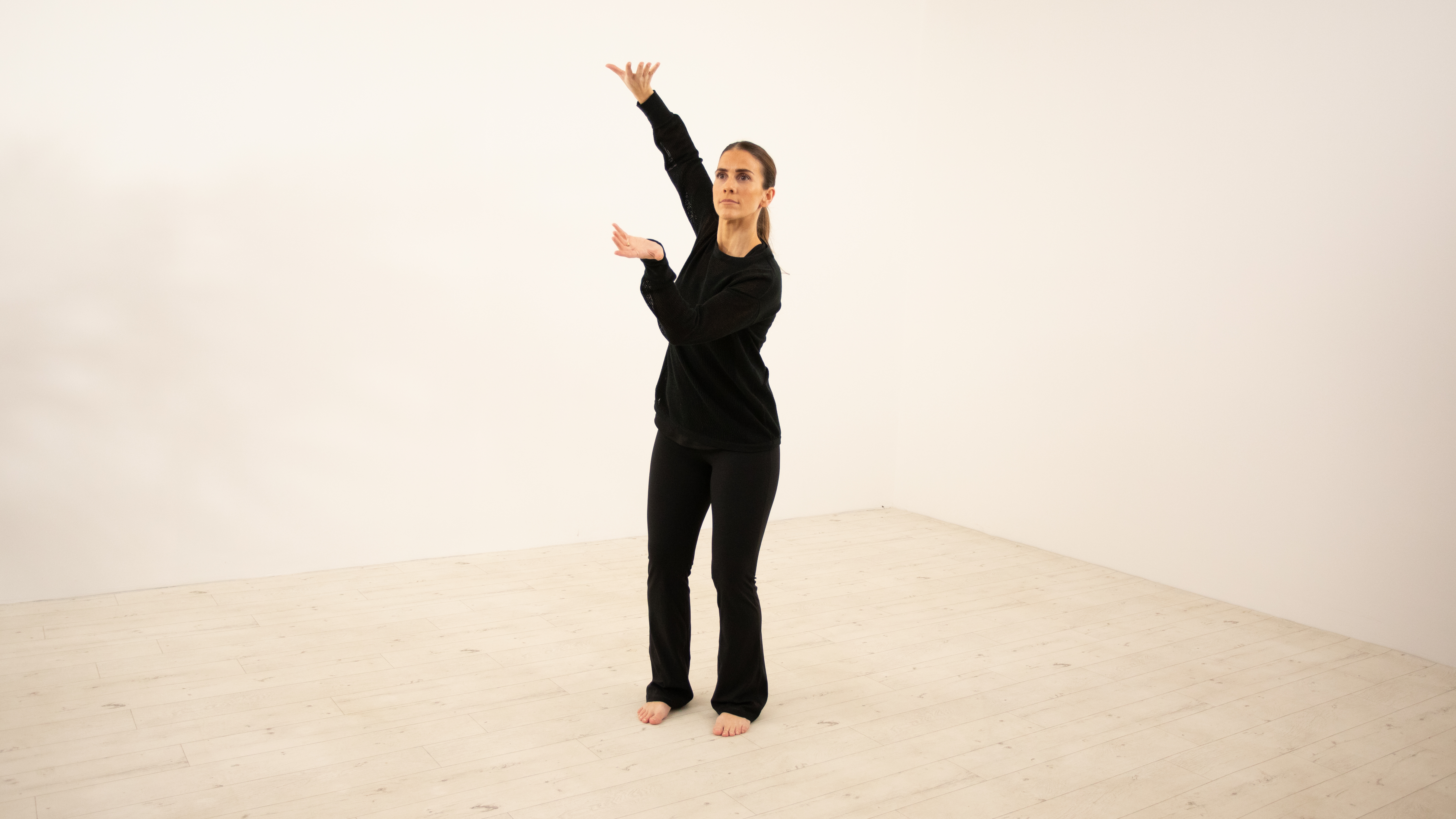
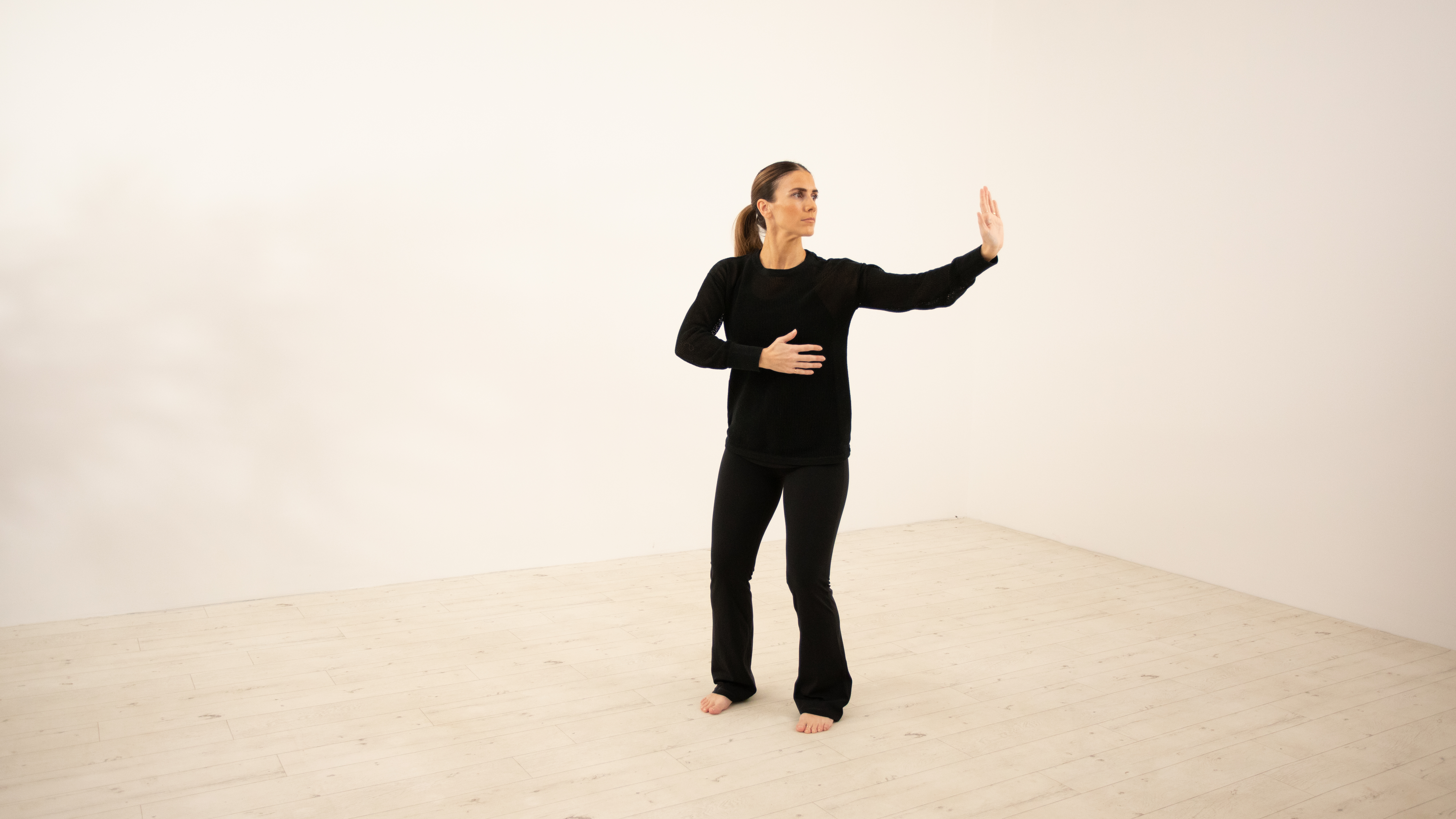
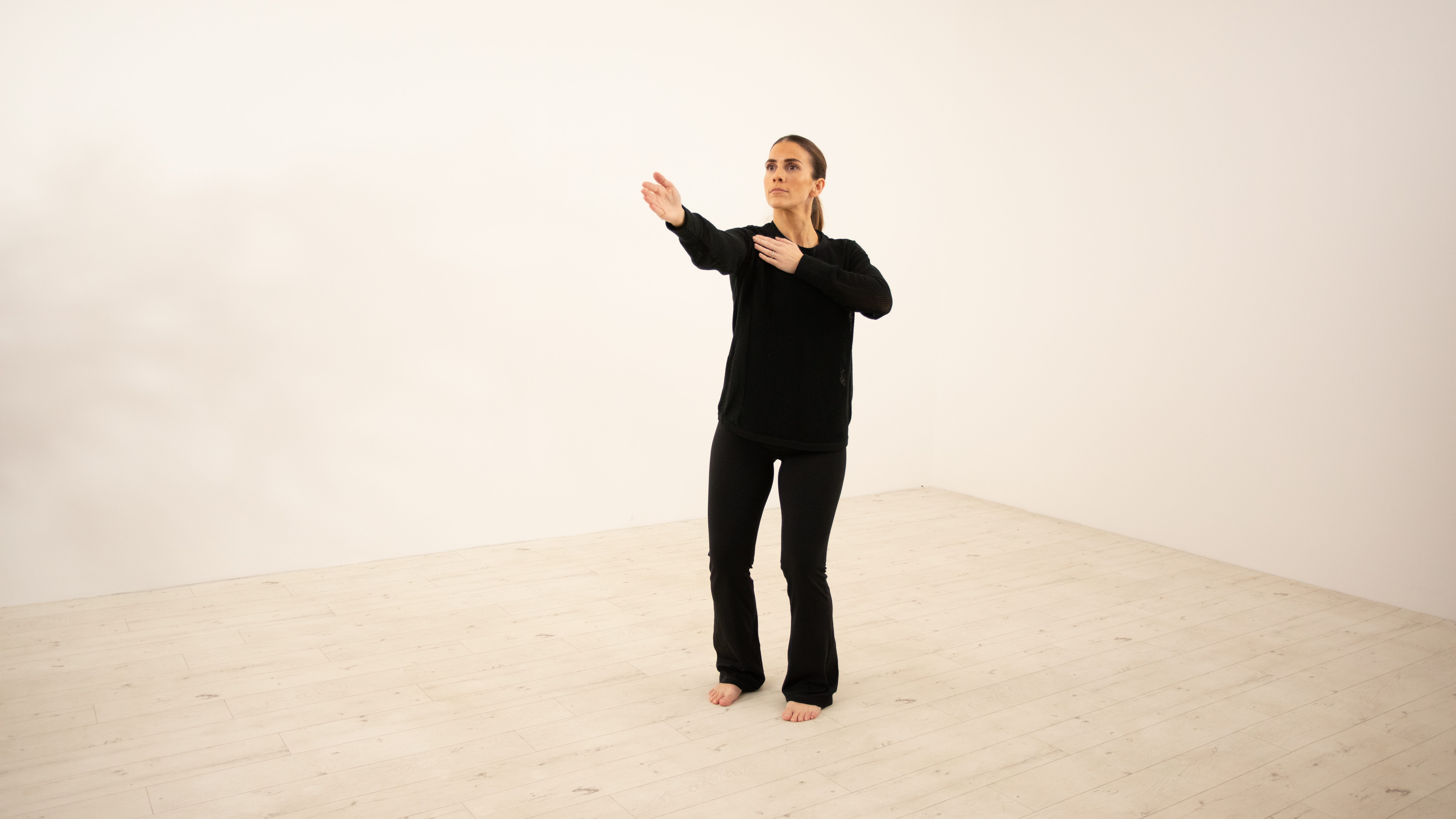
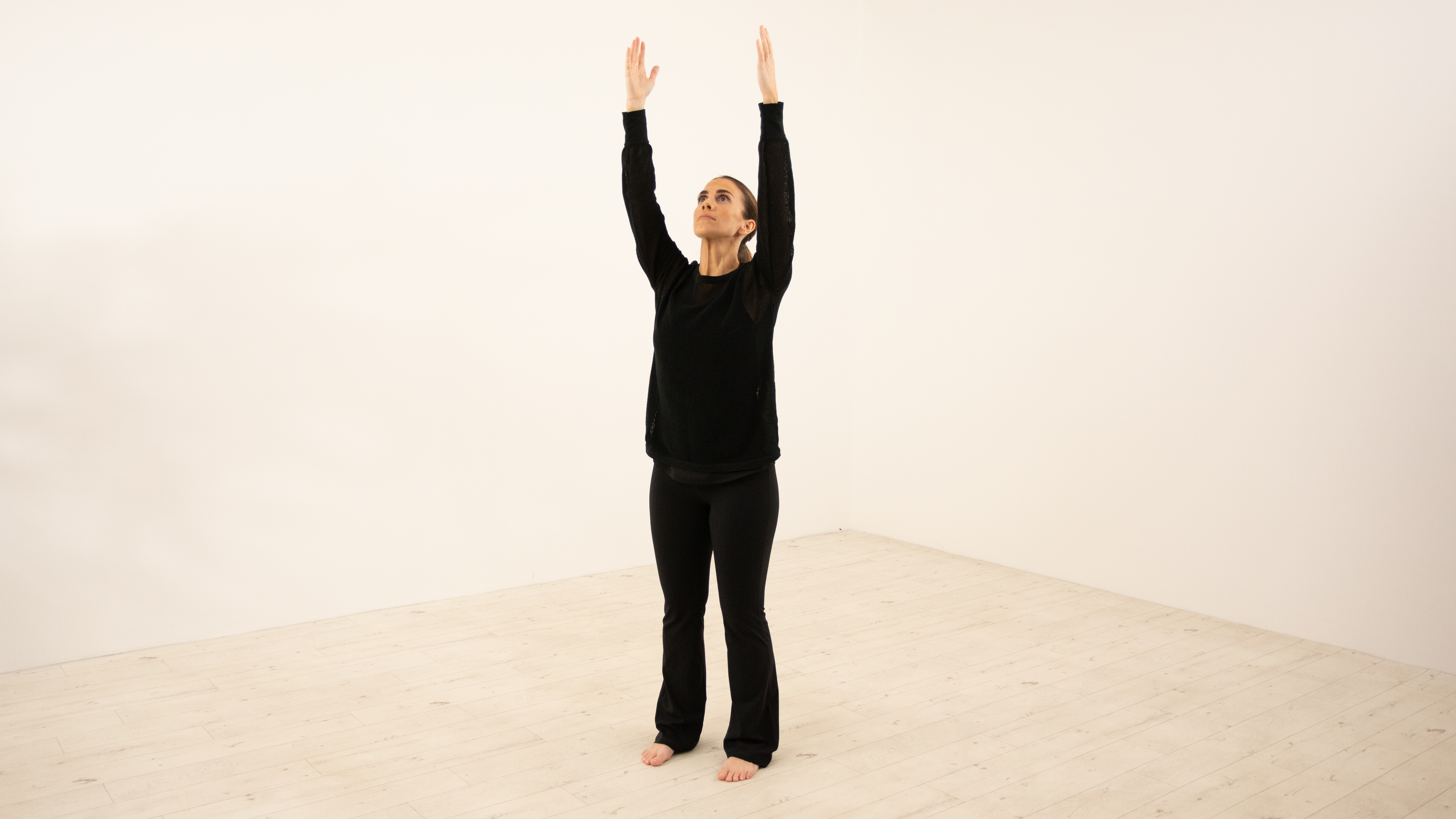
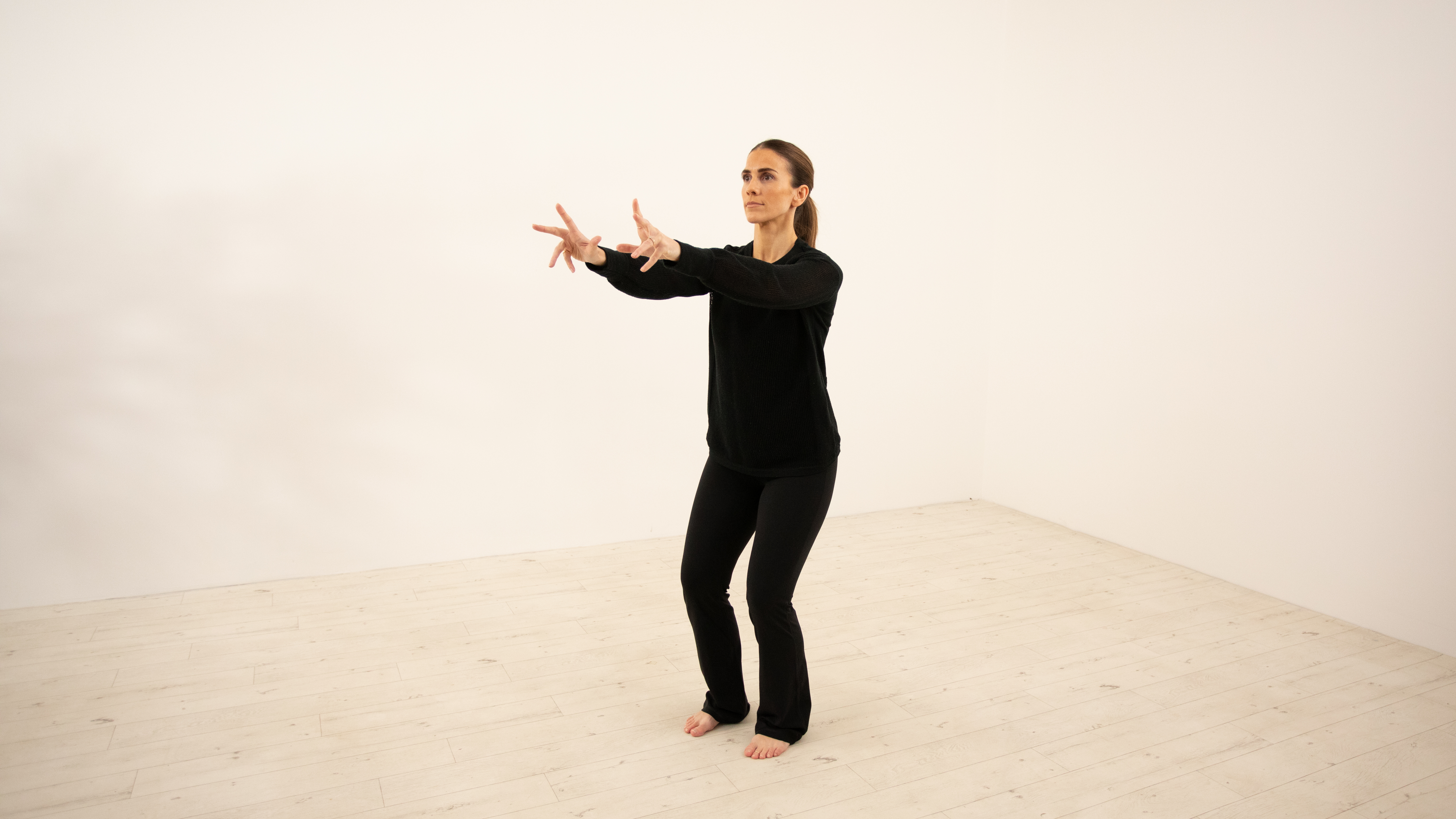
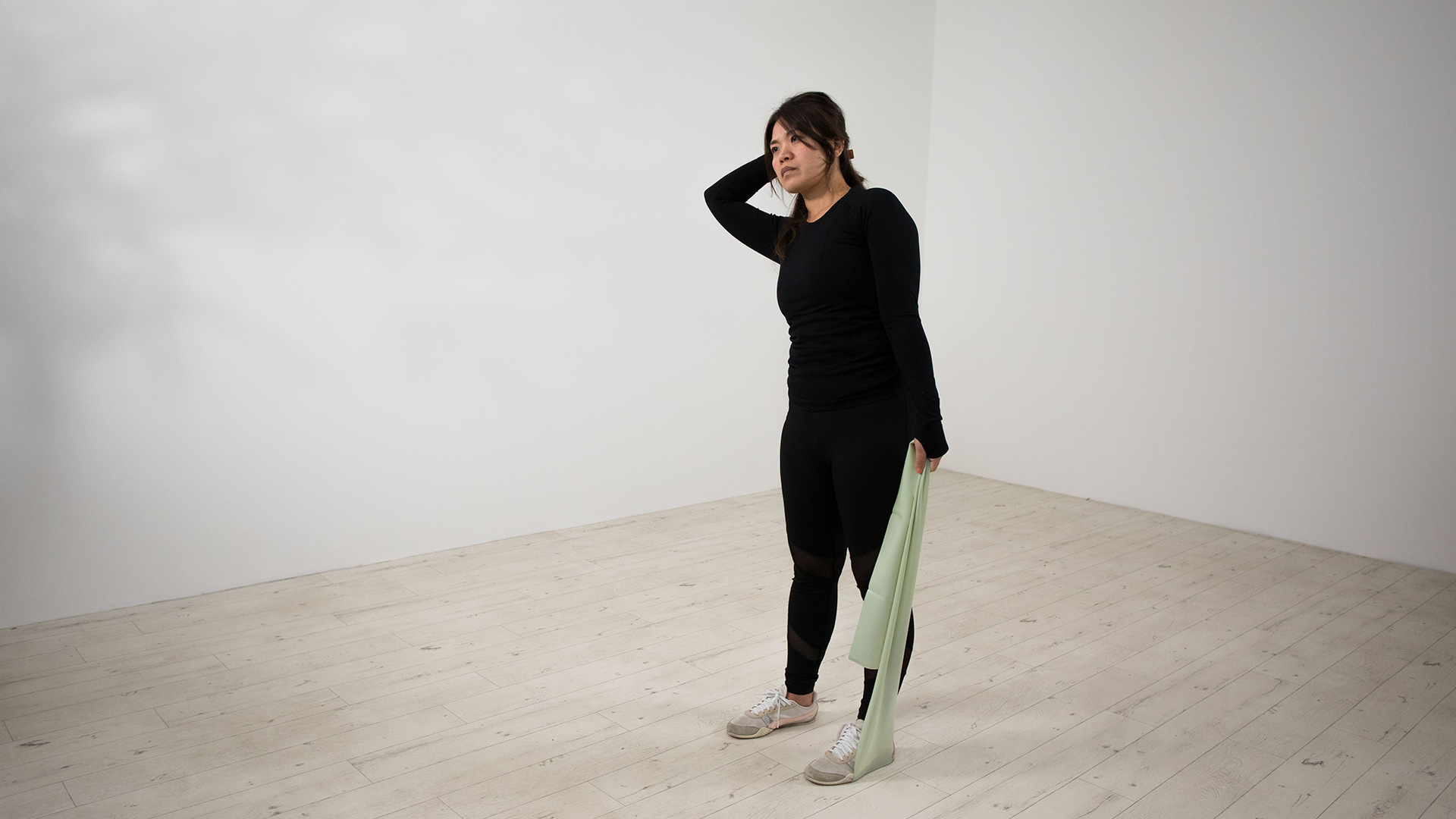
The Banded Overhead Press is a strength exercise that works the shoulders, arms, and upper chest. Stand with the resistance band under your feet and hold the ends at shoulder height. Press both arms overhead until fully extended, then lower with control. This exercise improves shoulder stability, posture, and upper-body strength.
Video details

Hjärthälsa och blodkärl
What happens to your blood pressure when you're not measuring it?
Think about the last time you had your blood pressure checked. Perhaps you were sitting in your GP's surgery, waiting for the cuff to inflate. Seconds later, two numbers appeared on the screen. Those numbers provide useful information about your blood pressure at that moment. But blood pressure changes throughout the day and night. Some people even have higher readings at the GP's surgery than at home - known as white coat hypertension - while others have normal readings in the surgery but higher blood pressure elsewhere (masked hypertension).
by Hilo

Hjärna och nerver
Vad orsakar tryck i huvudet och hjärndimma?
A poster to one of our forums, Patient 1, has a two-and-a-half-year history of mild pressure in the head and what he describes as 'brain fog'. He experiences a 'constant cloud' over his brain and never has any mental clarity or a clear head. He has a number of other symptoms including poor short-term memory, detachment from reality, sharp pains in the head and noises in the ears. He suffers from anxiety, made worse or caused by the symptoms.
av Dr Laurence Knott

Hjärthälsa och blodkärl
Varför är högt blodtryck ett stort problem?
You need it to survive - but while you're unlikely to know if you've got raised blood pressure (hypertension), it's 'too much of a good thing'. Almost half of all Americans have high blood pressure as stated by new guidelines released by the American Heart Association. And we can’t afford to be complacent this side of the pond either; over one in four adults have hypertension according to - slightly more lenient - UK guidance. So how do you know if yours is just right? And why is it so important to 'know your numbers'?
av Dr Sarah Jarvis
Hjärthälsa och blodkärl
Lågt blodtryck
Low blood pressure (also called hypotension) is quite common and isn't usually a problem. However, it can cause symptoms in some people or some situations. Postural or orthostatic hypotension is low blood pressure on standing up from lying or sitting and is more common in teenagers and older people. edit
av Dr Rachel Hudson, MRCGP

Behandling och medicinering
Kalciumkanalblockerare
Kalciumkanalblockerare (ibland kallade kalciumantagonister) är en grupp läkemedel som påverkar hur kalcium passerar in i vissa muskelceller. De ordineras ofta för att hantera högt blodtryck, kärlkramp, Raynauds fenomen och vissa onormala hjärtrytmer (arytmier). De används också för att försöka stoppa för tidig förlossning under graviditet. En kalciumkanalblockerare kan användas ensam. Dock kombineras den ofta med ett annat läkemedel för att behandla högt blodtryck eller kärlkramp, när ett läkemedel ensam inte har fungerat så bra.
av Dr Toni Hazell, FRCGP
Hud, nagel och hårhälsa
Trycksår
A pressure sore is also known as a 'bed sore' or a 'pressure ulcer'. It is a sore or broken (ulcerated) area of skin caused by irritation and continuous pressure on part of your body. Pressure sores are more common over places where your bones are close to your skin (bony prominences) such as your heels, the lower part of your back and your bottom. There are various things that can increase your risk of developing a pressure sore. In particular, risk increases if your mobility is reduced for some reason and you are spending long periods lying in bed or sitting in a chair. There are various measures you can take to prevent most pressure sores developing. These include changing your position as much as possible and also using pressure-relieving devices.
av Dr Hayley Willacy, FRCGP
Dela dina tankar eller erfarenheter med andra i vår patientgemenskaper.