Managing Focus and Attention
Published 26 Nov 2026
Meets Patient’s editorial guidelines
Watch this video
A Mind Health video on how focus works and managing distraction, supporting employee wellbeing platforms with licensed performance video content.






Video details

Mental health
Popcorn brain: what it is, why it happens, and how to reset your focus
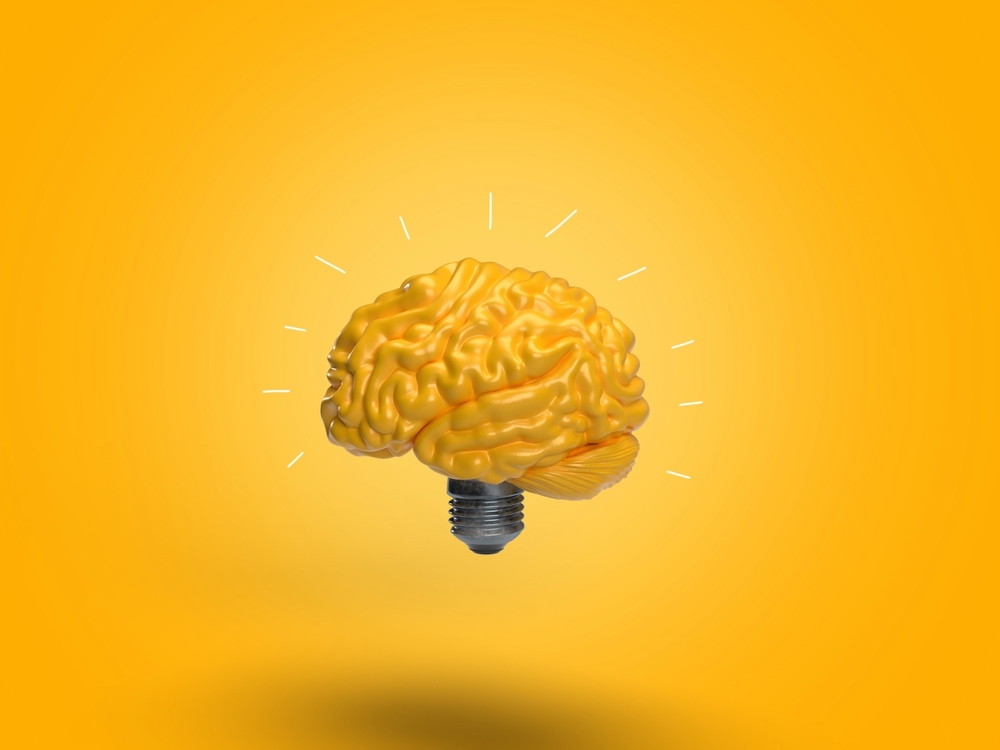
In a world of constant notifications, endlessly refreshing newsfeeds, and rapid-fire entertainment, many people say their brains feel “fried”, “distracted”, or unable to settle. Increasingly, this feeling is being described with a modern phrase: popcorn brain. Popcorn brain isn’t a medical diagnosis, but it’s a useful way of describing the sense that your mind is constantly “popping” with new stimuli. You might recognise it if you struggle to focus on longer tasks, find silence uncomfortable, or feel restless when you’re not scrolling or multitasking. Here’s what we know about popcorn brain, why it happens, and what you can do to regain calm and attention.
by Thomas Andrew Porteus, MBCS
Mental health
Mind and body control - how to channel your ‘internal telekinesis’
The dark nights have arrived, and right on cue, Mike Flanagan has turned his attention to one of Stephen King’s most iconic tales of teenage torment and supernatural terror... Carrie. The story of a schoolgirl with telekinetic powers - the fictional ability to move objects using the mind alone - has gripped our morbid imaginations for decades. Little wonder, then, that this horror classic is getting a new lease of life in a television adaptation. But while we ourselves may not be able to bend spoons or move furniture, we do possess our own real-world form of ‘internal-telekinesis’. Through mental focus and controlled breathing, we can influence our heart rate and help calm an overworked nervous system.
by Hannah Boynton-Forshaw

Healthy living
How modern life affects your weight - beyond diet and exercise
If our bodies are designed to regulate our weight, why are more people living with obesity than ever before? Our genes haven't changed significantly over recent decades, but our environment, lifestyles, and individual biology all influence how our bodies regulate hunger, burn energy, and store fat. Understanding these factors can help explain why managing weight is more difficult for some people than others, even when they're trying to make healthier choices.
by Dr Caroline Butler
Podcasts
Me and myself
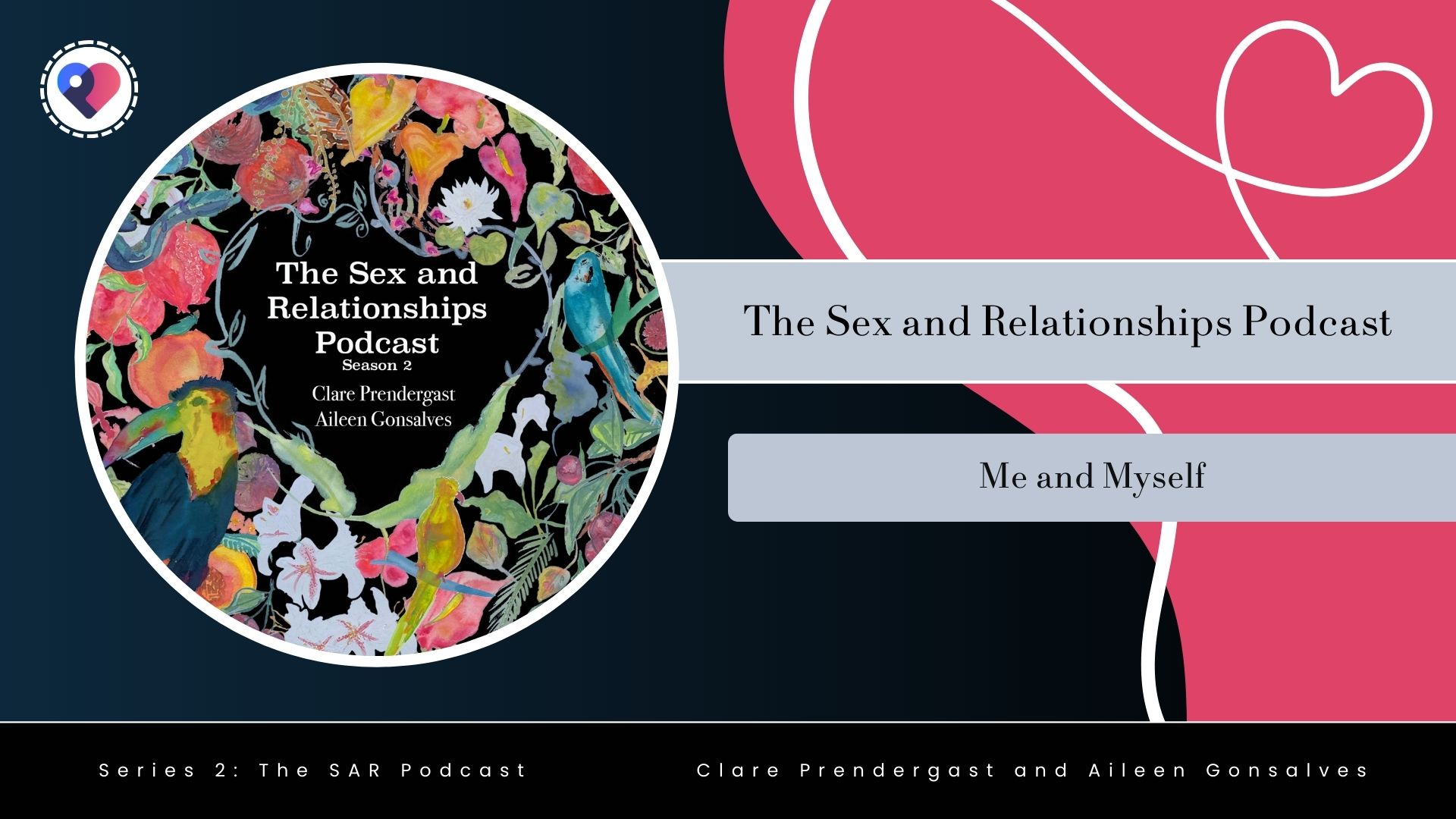
In this episode, Clare and Aileen turn their attention to what they describe as the primary relationship - the relationship we have with ourselves - and why it is so often the one we neglect, misunderstand or actively sideline.
by Thomas Andrew Porteus, MBCS

Mental health
Managing PTSD during fireworks season
Fireworks displays can be beautiful to look at, but the loud noises they make can be triggering if someone has PTSD. Here we show how to manage your PTSD over the fireworks season and where to get support if you have experienced trauma in your past.
by Lawrence Higgins

Diet and nutrition
How gut bacteria affect mood, focus and brain health
There is emerging scientific evidence that the gut microbiome can influence brain health - from mood and focus to neurological diseases such as multiple sclerosis and Parkinson's. We ask the experts about this link and how best to look after the gut bacteria to support brain health.
by Sally Turner
Share your thoughts or experiences with others in our patient communities.