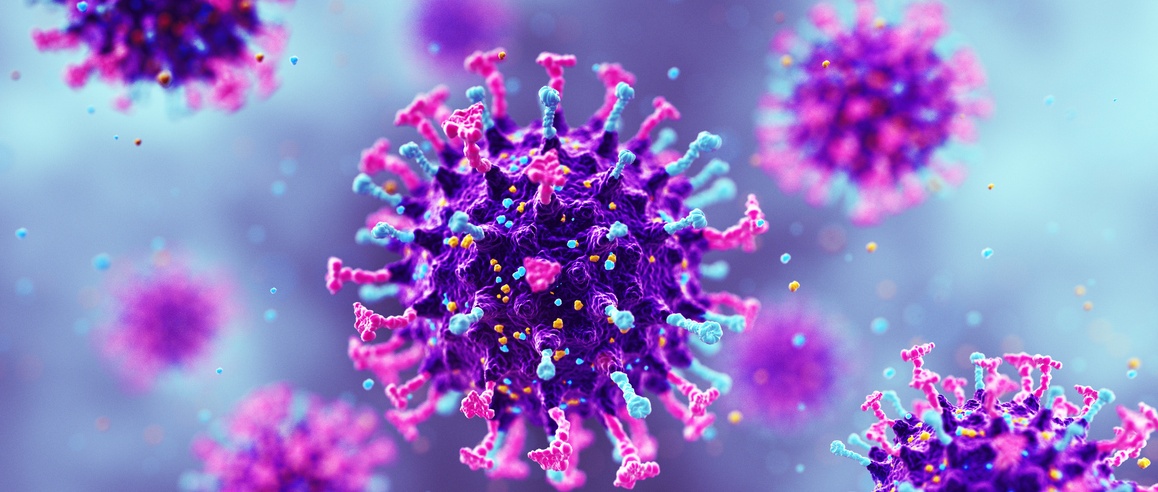
What is HMPV and should we be worried?
Peer reviewed by Dr Krishna Vakharia, MRCGPAuthored by Victoria RawOriginally published 28 Jan 2025
Meets Patient’s editorial guidelines
- DownloadDownload
- Share
- Language
- Discussion
- Audio Version
- Add to preferred sources on Google
If you've noticed a virus called HMPV popping up in your news feeds lately, it's likely due to a recent rise in infections. These cases tend to increase during winter and early spring, making now the perfect time to stay informed. Here's a quick snapshot of HMPV, its symptoms, and whether you should be concerned.
What is HMPV?
Human metapneumovirus (HMPV) was first identified in the Netherlands in 2001 - making it a relatively new virus compared to many others.
Dr Layla Eagles, Private GP, Wellsoon from Practice Plus Group, UK explains that HMPV is a common respiratory virus that belongs to the same viral family as respiratory syncytial virus (RSV).
RSV is a leading cause of colds and respiratory illnesses - which affect your lungs and breathing - during winter.
What are the symptoms of HMPV?
In many cases, symptoms of HMPV may be mild - similar to those of the common cold.
Eagles explains these can include:
Cough.
Aches - such as headaches and body aches.
Sore throat.
Cough.
Runny or blocked nose.
Other symptoms may present as:
Asthma attacks.
Difficulty breathing (dyspnoea).
Wheezing.
How many cases of HMPV does the UK have?
The number of HMPV infections in the UK has steadily increased since Autumn 2024.
According to the UK Health and Security Agency (UKHSA), by 19th January 2025, around 5% of people tested for respiratory illnesses tested positive for HMPV.
Eagles explains that this aligns with the typical peaks of winter viruses.
"HMPV has been identified as being present across the world," she says. "The exact number of cases is unknown as testing is only carried out if a person is admitted to hospital due to their symptoms."
Should we be worried about HMPV in the UK?
Most people with HMPV will have a mild illness that gets better on its own. However, certain people may develop more severe symptoms.
Eagles explains: "HMPV can make some people more unwell - particularly very young children and older adults."
She adds that HMPV may have serious effects on those with weakened immune systems, or other health conditions such as Chronic Obstructive Pulmonary Disease (COPD) and asthma.
These may present as:
Acute bronchitis - inflammation of the airways in the lungs.
Bronchiolitis - inflammation of the airways in the lungs, affecting infants and young children.
Pneumonia - an infection of the lung air sacs (alveoli).
Will it cause another lockdown?
Unlike COVID-19, HMPV is not a new virus. It has been circulating globally for decades, meaning there is likely some immunity in the general population from previous exposure.
This means there is a much lower chance of HMPV becoming a pandemic.
Eagles says: "No suggestion has been made by the experts at the World Health Organization (WHO) to imply more serious measures - such as lockdown - are needed."
How to avoid catching HMPV
HMPV spreads from an infected person to others in a variety of ways.
Eagles outlines the most common methods:
Direct contact with an infected person.
Droplets from coughing or sneezing.
Touching a contaminated surface.
Eagles says: "Wearing a mask, washing your hands regularly, and avoiding contact - such as handshakes or hugging - can reduce your chance of catching HMPV."
How to treat HMPV
There are currently no clinically approved vaccines or medicines to specifically treat HMPV.
Eagles says that the symptoms of this virus can be eased using simple, over-the-counter remedies - such as paracetamol - whilst resting and remaining well hydrated.
"Antibiotics will not help," she adds.
How long are you contagious with HMPV?
The time between exposure and onset of HMPV symptoms is around three to six days.
"This means you are potentially contagious for up to six days," Eagles explains. "However, there are no formal recommendations for exclusion from school or work."
How long does HMPV last?
Symptoms from an HMPV infection can last from seven to ten days.
If you have severe symptoms you suspect are related to HMPV, contact your doctor or NHS 111 for advice.
If you believe your symptoms are life-threatening, call 999 or go to the nearest A&E immediately.
While there is no indication that HMPV will reach the scale of the COVID-19 pandemic, it remains important to understand how viruses can affect your health and the health of others. Simple measures, such as maintaining a healthy lifestyle, practicing good hygiene, and staying rested and hydrated if you become infected, can all support prevention and recovery.
Patient picks for Viral infections
Infections
What is Hantavirus? Everything you need to know about this rare but serious virus
Hantavirus is making headlines again, after a cluster of serious illnesses linked to an expedition cruise ship prompted investigations by the World Health Organization. But what is Hantavirus - and is it something you need to worry about?
by Thomas Andrew Porteus, MBCS

Infections
How to tell the differences between winter viruses in kids
During the winter months, it's very normal for children and adults to suffer from a bout of the common cold or influenza (flu). Children in particular tend to be more susceptible to infection and can often suffer from several viruses each year. Such viruses are easily spread through contact with others, and, while a nuisance, are usually nothing to worry about.
by Gillian Harvey
About the authorView full bio
Authored by

Victoria Raw
Feature Writer
BA (Hons), English Literature
Victoria is a content writer at Patient, with special interests spanning mental wellbeing, societal trends and the impact of technology on our health.
About the reviewerView full bio

Dr Krishna Vakharia, MRCGP
Chief Medical Officer for Health, Optum UK
MBChB, MRCGP(2013), BMedSci (hons), DFSRH, DRCOG, PGDipDerm (Distn)
Dr Krishna Vakharia is an NHS GP. She is also a regular examiner for the postgraduate Diploma in Practical Dermatology at Cardiff University as well as being the Chief Medical Officer for health at Optum UK.
Article history
Article also available in English, German, Spanish, French, Italian, Portuguese, Hindi, Hebrew, Arabic, and Swedish.
Next review due: 28 Jan 2028
28 Jan 2025 | Originally published
Authored by:
Victoria RawPeer reviewed by
Dr Krishna Vakharia, MRCGP
Join the conversation
Share your thoughts or experiences with others in our patient communities.

Ask, share, connect.
Browse discussions, ask questions, and share experiences across hundreds of health topics.

Feeling unwell?
Assess your symptoms online for free
Sign up to the Patient newsletter
Your weekly dose of clear, trustworthy health advice - written to help you feel informed, confident and in control.
By subscribing you accept our Privacy Policy. You can unsubscribe at any time. We never sell your data.