Free chickenpox vaccine to be offered to children in England for the first time
Peer reviewed by Dr Colin Tidy, MRCGPAuthored by Thomas Andrew Porteus, MBCSOriginally published 28 Aug 2025
Meets Patient’s editorial guidelines
- DownloadDownload
- Share
- Language
- Discussion
- Audio Version
- Add to preferred sources on Google
From January 2026, babies in England will be offered a free vaccine against chickenpox for the first time. The new programme is part of the NHS routine immunisation schedule and is expected to protect hundreds of thousands of children every year from a condition that is often more serious than people realise.
Chickenpox causes a high temperature, severe itching, and painful fluid-filled blisters. In most children it passes without complications, but some can develop serious infections, pneumonia, or even inflammation of the brain. For families, it often means time off nursery or school and parents missing work, sometimes unpaid.
Until now, parents who wanted to vaccinate their child had to pay around £150 for the two-dose course privately. This change means the chickenpox vaccine will finally be available to all families - not just those who can afford it.
How will the chickenpox vaccine be given?
Children will receive the chickenpox vaccine as part of a combined jab that protects against measles, mumps, and rubella (MMR), plus varicella, the virus that causes chickenpox. Known as the MMRV vaccine, it will be given in two doses - first at around 12 months and again at 18 months - alongside their other routine jabs at their local surgery.
A catch-up programme is also being considered for older children who missed vaccines during the pandemic, to help boost immunity and reduce the number of severe cases.
What impact will it have?
The Joint Committee on Vaccination and Immunisation (JCVI), which advises the government on vaccines, recommended the rollout to reduce the number of children who become seriously ill.
The UK Health Security Agency (UKHSA) says the move will:
Prevent illness in over 500,000 children every year.
Help families avoid around £24 million in lost earnings due to childcare disruption.
Save the NHS an estimated £15 million annually in treatment and hospital costs.
It also brings the UK in line with countries such as the United States, Germany, Australia, and Canada, where chickenpox vaccination has been routine for years and has significantly reduced hospital admissions and complications.
What do the experts say?
Professor Chrissie Jones, a paediatric infectious disease specialist at the University of Southampton, welcomed the change.
She explained this is an important step in protecting children from a common illness that can cause significant discomfort and complications.
"We know that most children recover well from chickenpox, but for some it can be more serious, leading to hospitalisation and long-term effects," she said. “This safe and effective vaccine has been used for many years in other countries, and it has led to a dramatic fall in the number of children who get chickenpox and in the severity of illness when it does happen.
“Providing the vaccine as part of the NHS routine schedule ensures all children, not just those whose parents can afford to pay, can benefit from the protection it offers. It will also reduce the disruption that chickenpox causes to families and workplaces when children are unwell and need to stay at home.”
What should parents do?
When the programme begins in 2026, your doctor will offer the vaccine at the same time as your child’s other immunisations. You don’t need to do anything now, but it’s worth checking your child’s red book to see if they are up to date with their current vaccines.
If you’re unsure about vaccines or have questions about the chickenpox jab, your doctor or health visitor can offer advice. You can also read more about childhood vaccinations in our Immunisation Guide.
Patient picks for Vaccinations
Children's health
Chickenpox in children
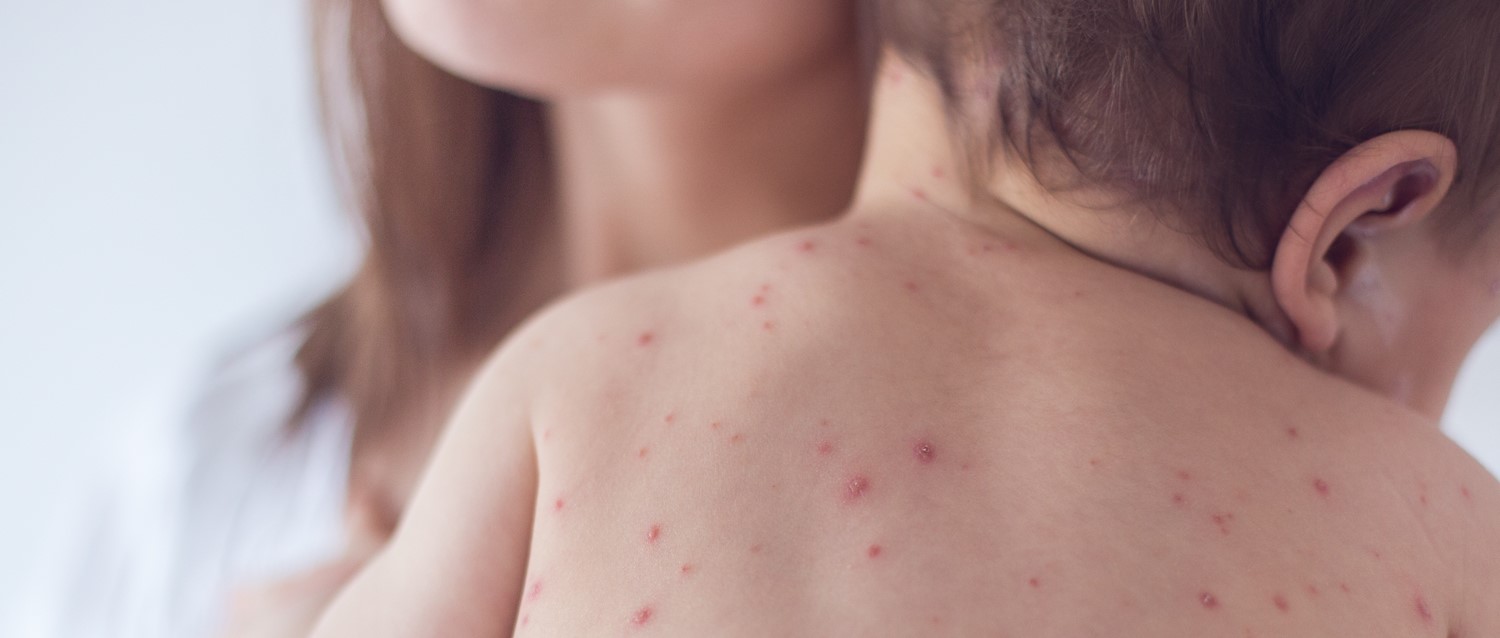
Chickenpox causes spots (a rash) and can make a child feel generally unwell. Treatment aims to ease symptoms until the illness goes. Full recovery is usual in children aged under 12 years. Serious complications are rare but are more likely to occur in children with a poor immune system, such as those on chemotherapy.
by Dr Colin Tidy, MRCGP
Children's health
Should your child get the chickenpox vaccine?
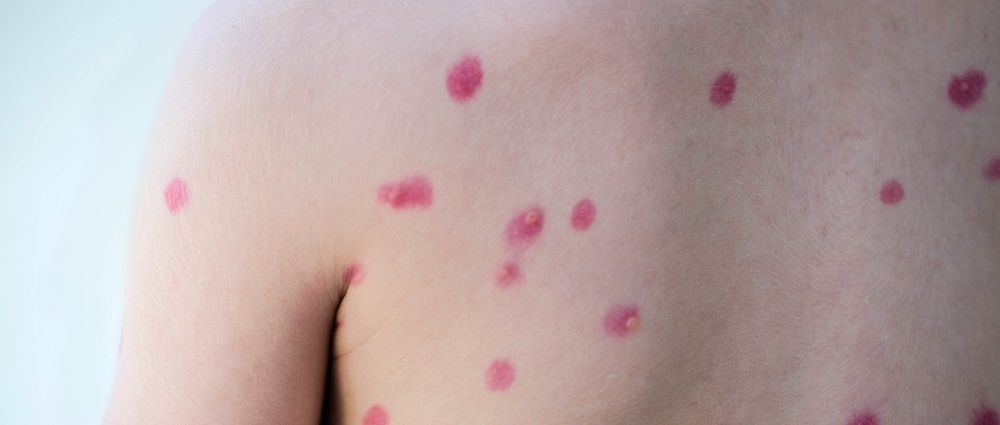
Many of us will remember having chickenpox as a child. The itchy red spots were almost impossible to stop scratching, but doing so could lead to scarring. In an attempt to soothe the itch, parents would douse us in calamine lotion and oatmeal baths. But now, instead of catching the virus to provide immunity, there’s another route parents can choose - the chickenpox vaccine.
by Lydia Smith
About the authorView full bio
Authored by

Thomas Andrew Porteus, MBCS
HealthTech
MBCS
Thomas writes to inform, inspire, and equip practice leaders and health professionals navigating change, drawing on two decades of hands-on work across the UK health system.
About the reviewerView full bio

Dr Colin Tidy, MRCGP
General Practitioner, Medical Author
MBBS, MRCGP, MRCP (Paediatrics), DCH
Dr Colin Tidy is an NHS Doctor, based in Oxfordshire.
Article history
Article also available in English, German, Spanish, French, Italian, Portuguese, Hindi, Hebrew, Arabic, and Swedish.
Next review due: 28 Aug 2028
28 Aug 2025 | Originally published
Authored by:
Thomas Andrew Porteus, MBCSPeer reviewed by
Dr Colin Tidy, MRCGP
Join the conversation
Share your thoughts or experiences with others in our patient communities.

Ask, share, connect.
Browse discussions, ask questions, and share experiences across hundreds of health topics.

Feeling unwell?
Assess your symptoms online for free
Sign up to the Patient newsletter
Your weekly dose of clear, trustworthy health advice - written to help you feel informed, confident and in control.
By subscribing you accept our Privacy Policy. You can unsubscribe at any time. We never sell your data.