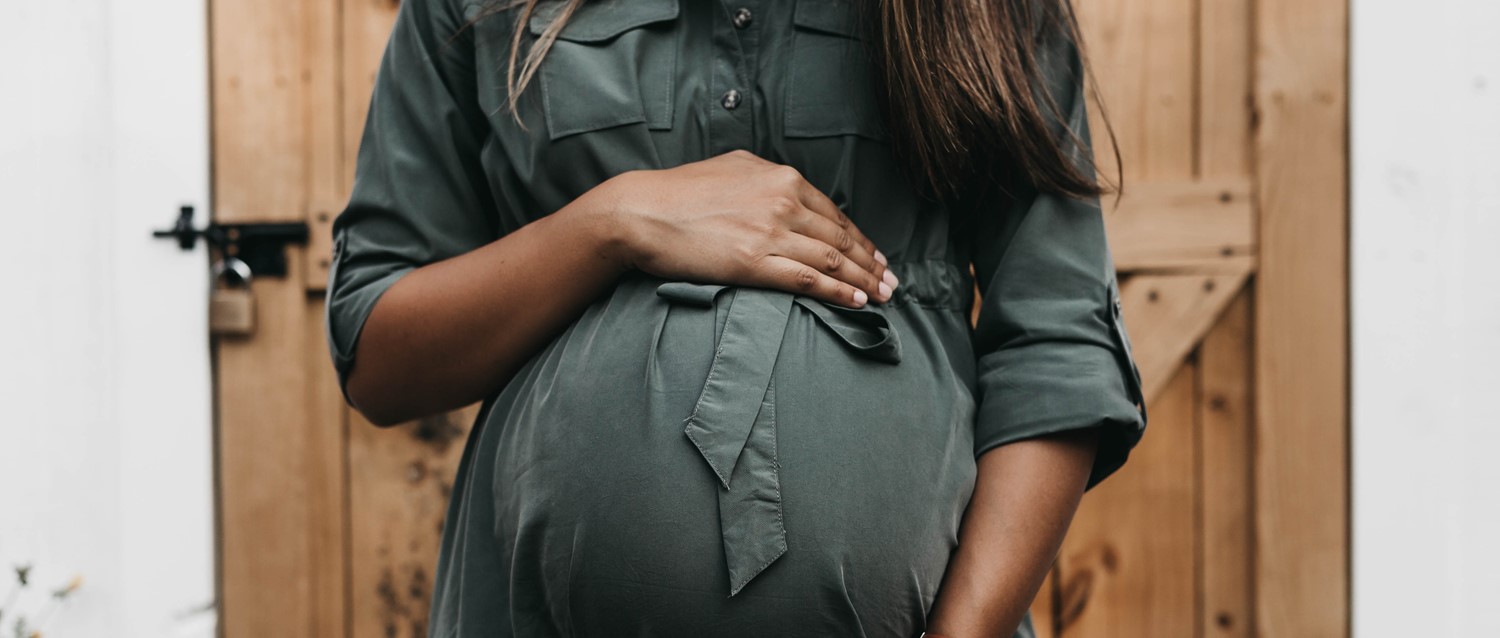
Why are women so vulnerable to COVID-19 in pregnancy?
Peer reviewed by Dr Sarah JarvisAuthored by Lydia SmithOriginally published 26 Oct 2021
Meets Patient’s editorial guidelines
- DownloadDownload
- Share
- Language
- Discussion
- Audio Version
- Add to preferred sources on Google
The UK is facing an uncertain winter as both COVID-19 and flu are expected to spread at the same time. And while many people have been vaccinated against COVID-19, those who haven't yet had their jabs remain at high risk - particularly pregnant women. But why are those who are expecting at higher risk of becoming seriously ill if they get infected?
Pregnant women are no more or less likely to contract COVID-19 than the general population, research currently suggests. However, there is growing evidence that COVID in pregnancy uts women at increased risk of severe illness, especially in the third trimester.
"More than half of the women who test positive for COVID in pregnancy have no COVID symptoms, but particularly in the later stages of pregnancy, women are at an increased risk of becoming seriously unwell," says Dr Jo Mountfield, consultant obstetrician and vice president of the Royal College of Obstetricians and Gynaecologists.
"We are sadly seeing more pregnant women becoming severely ill with COVID-19 in this third wave than in the previous two waves."
How common is COVID in pregnancy?
According to research by NHS England, almost a fifth of the most critically ill coronavirus patients in England in recent months were unvaccinated expectant mothers. Between July and September, 17% of COVID-19 patients receiving treatment through a lung-bypass machine were mothers-to-be who had not had their first dose of a COVID-19 vaccine.
Pregnant women also accounted for 32% of all females aged between 16 and 49 in intensive care and on extracorporeal membrane oxygenation - used when a patient's lungs are so damaged that even a ventilator cannot maintain oxygen levels.
Why are women vulnerable to severe illness from COVID in pregnancy?
Research from other pandemics has suggested that pregnant women are more susceptible to becoming more unwell from viral infections such as COVID-19 and flu than those who aren’t pregnant. During the 2009 swine flu and 2002 SARS outbreaks, pregnant women were found to be more likely to have serious complications from infection.
"Pregnancy puts extra pressure on a woman's heart and lungs, which can affect the woman's breathing," explains Mountfield. "If a pregnant woman gets COVID-19 and develops symptoms which affect their breathing, more pressure will be exerted on to the lungs which are already under strain from the baby.
"In these circumstances, we are seeing more pregnant women on ventilators in intensive care, to maintain a good supply of oxygen."
Immune system and hormone changes during pregnancy
Changes that take place in the immune system during pregnancy can also leave women more vulnerable to viral infections. The immune system protects against harmful foreign intruders such as bacteria, but it has to work harder to protect both mother and baby during pregnancy.
While pregnant women's immune systems adapt with the growth and development of the fetus, some immune responses are suppressed. This creates a balance that can protect the baby without compromising the health of the mother. These changes also prevent the immune system from attacking the fetus as a 'foreign body'.
High levels of the hormones oestrogen and progesterone cause the upper part of the respiratory tract to swell - which in addition to the restricted lung expansion in the last trimester - makes pregnant women more susceptible to complications from respiratory viruses.
"Women are at slightly increased risk of becoming severely unwell if they do catch COVID-19 and are more likely to have pregnancy complications such as preterm birth," says Mountfield.
In addition to risks for the mother, COVID-19 infection in pregnancy poses numerous risks for her baby, including a higher risk of stillbirth and an increased incidence of small-for-gestational age babies.
Why is vaccine hesitancy high among pregnant people?
Evidence shows that the vaccine is safe for pregnant people and is the most effective way to protect both mother and baby against the possibility of severe illness from COVID-19. Despite this, vaccine hesitancy has been high among those who are pregnant.
Vaccine misinformation
There are several reasons why pregnant women aren't getting vaccinated. Firstly, rampant anti-vaccine misinformation online has also led many women to doubt whether vaccination is safe.
Additionally, until real-world data on safety in pregnancy could be collected, pregnant people in the UK were advised not to get vaccinated routinely up until April 2021. Instead, their healthcare professional was advised to look at their individual risk (eg underlying health conditions) and discuss the pros and cons on a case-by-case basis.
This is because of the ethical issues around including pregnant and breastfeeding people in clinical trials, meaning they were excluded from initial studies. There is now ample evidence that pregnant women get high levels of protection from the COVID-19 vaccine and that there are no additional safety concerns from the vaccine in pregnancy.
Given the greater risks to pregnant women, the Royal College of Obstetricians and Gynaecologists and the Royal College of Midwives strongly recommend vaccination for all pregnant women. Yet vaccination rates remain significantly lower for pregnant women than for other groups.
Priorities
Pregnant women were also not prioritised for vaccination, despite pressure placed on the Joint Committee on Vaccination and Immunisation (JCVI). As a result, even those in their third trimester - who are at higher risk of complications from COVID-19 infection - have had to wait to be vaccinated with the rest of their age group.
"We are urgently calling for all pregnant women to come forward for their vaccinations," says Dr Edward Morris, president of RCOG. "We do understand women's concerns about having the vaccine in pregnancy, and we want to reassure women that there is no link between having the vaccine and an increased risk of miscarriage, premature birth, or stillbirth."
The COVID vaccine and pregnancy
More than 200,000 women in the UK and USA have had a COVID-19 vaccine in pregnancy with no concerning safety signals. There is also very strong real-world evidence of vaccine efficacy with 98% of women admitted to hospital and getting severe infection having not had the vaccine.
COVID-19 vaccines can be given at any time in pregnancy and the preference is to offer the Pfizer-BioNTech or Moderna vaccines. However, women who have had a first dose of the AstraZeneca jab before becoming pregnant are advised to continue with the same vaccine during pregnancy.
Booster vaccines
Healthcare professionals are also urging all pregnant women eligible for the COVID-19 booster vaccine to take up the offer.
Frontline health and social care workers, those aged 16 to 49 with underlying health conditions and adult carers are all eligible for the booster jab. Adult household contacts of immunosuppressed individuals, all adults aged 50 years or over and those living in residential care homes for older adults can all get a third vaccine dose too.
"Anyone who is pregnant and falls into these categories will be eligible to receive the booster vaccine," says Mountfield. "Many, but not all, healthy pregnant women who do not fall into these categories are likely to have been more recently vaccinated so do not as yet need a booster. It is likely that recommendations for booster jabs will be reviewed regularly by the JCVI."
Patient picks for General information

COVID-19
National Day of Reflection: coping with grief after losing a loved one to COVID-19
Since the pandemic began, the number of people in the UK who have died with COVID-19 listed as the cause of death has reached over 185,000. Restrictions on social contact have had a major impact on the bereaved and how they have been allowed to grieve. This year, the National Day of Reflection is honouring those we've lost.
by Emily Jane Bashforth
COVID-19
How has COVID-19 impacted cancer patients?
Coronavirus has caused an unprecedented health crisis in the UK. As well as the need to treat and prevent the illness itself, the demand placed on the NHS, and the anxiety created in the general public, there has been an impact on the treatment of other diseases such as cancer.
by Gillian Harvey
About the authorView full bio

Lydia Smith
Feature writer
BA, MA, MSc
Lydia Smith is an award-winning journalist and feature writer who has written extensively on women's health and mental health. She is currently studying for an MSc in psychology.
About the reviewerView full bio

Dr Sarah Jarvis
Clinical Consultant
MA (Cantab), BM, BCh (Oxon), DRCOG, FRCGP, MBE
After training in medicine at Cambridge and Oxford, Dr Sarah Jarvis MBE became a GP.
Article history
Article also available in English, German, Spanish, French, Italian, Portuguese, Hindi, Hebrew, Arabic, and Swedish.
26 Oct 2021 | Originally published
Authored by:
Lydia SmithPeer reviewed by
Dr Sarah Jarvis
Join the conversation
Share your thoughts or experiences with others in our patient communities.

Ask, share, connect.
Browse discussions, ask questions, and share experiences across hundreds of health topics.

Feeling unwell?
Assess your symptoms online for free
Sign up to the Patient newsletter
Your weekly dose of clear, trustworthy health advice - written to help you feel informed, confident and in control.
By subscribing you accept our Privacy Policy. You can unsubscribe at any time. We never sell your data.
More in cOVID-19
- 19th July: staying safe as COVID-19 restrictions ease
- COVID-19: how do Omicron symptoms compare to other variants?
- COVID-19: how to avoid catching viruses at work
- COVID-19: Is Omicron a bigger threat than the Delta variant?
- How to stay healthy while working at home
- May lockdown easing: what are the new restrictions?
- Shielders: how can vulnerable people stay safe as restrictions end?
- Should we wear face masks after the pandemic?
- What are the benefits of mixing and matching COVID-19 booster vaccines?
- What to do if you need contraception or abortion care during lockdown
- Why are Black and Asian people at greater risk from COVID-19?
- Why it’s difficult to switch off during the pandemic
- Will we need a COVID-19 booster vaccine every year?