The future of diabetes treatment
Peer reviewed by Dr Sarah JarvisAuthored by Danny ChadburnOriginally published 28 Sept 2017
Meets Patient’s editorial guidelines
- DownloadDownload
- Share
- Language
- Discussion
- Audio Version
- Add to preferred sources on Google
How might the landscape of diabetes have changed by 2050? We asked leading diabetes physician Dr David Cavan, author of Reverse Your Diabetes and Reverse Your Diabetes Diet, for his predictions.
Sign up for our free 10-week Diabetes course!
Each week, we'll explore a different topic to help you better understand and manage your diabetes, including everyday living and medicines, to mental wellbeing, the latest in diabetes tech, and nutrition.
By subscribing you accept our Privacy Policy. You can unsubscribe at any time. We never sell your data.
Will rates of diabetes continue to rise?
Unfortunately, yes. In the UK, numbers rose from 1.4 million to almost 3.5 million between 1996 and 2016. Globally, diabetes is predicted to affect 642 million by 2040 – that’s one in 10 people.
Type 2 diabetes is driving the increase. It affects over 90% of those diagnosed and is directly linked to modern day diet and lifestyles; 50 years ago, it was relatively uncommon. We’ve seen a significant increase in cases over the past decade, so a significant change in the way we live our lives is needed to slow its growth.
Type 1 diabetes, which affects less than 10% of sufferers, is also on the rise but more slowly - and we’re not sure why. It’s an autoimmune condition, not linked to diet or lifestyle, but autoimmune conditions in general seem to be on the increase.
What does this mean for the NHS?
Vast expense – the total cost associated with diabetes in the UK stands at £23.7 billion and is predicted to rise to £39.8 billion by 2035/6. It’s not just treatment costs but also wider economic implications, such as time off work. Treating the complications of diabetes, such as cardiovascular problems or damage to the nerves, kidneys, eyes or feet, is the biggest expense.
The solution? Prevention, reversal, and better management of symptoms, so people don’t get to the stage where they have complications. It needs a huge public health drive to raise awareness, change habits and prevent type 2 developing in the first place.
Is there a cure on the horizon?
Currently, type 2 diabetes is mainly treated with medication, such as metformin, to improve insulin sensitivity and normalise blood sugar. If these stop working effectively, insulin may be needed.
However, the exciting news is we now know that weight-loss surgery, also known as bariatric surgery, can lead to remission in type 2. The effects have also been replicated in studies using a very low-calorie diet for rapid and significant weight loss.
Although this works in the short term, there also needs to be a long-term lifestyle change, so I have been developing a low-carbohydrate eating plan to promote weight loss and reduce blood glucose levels. Following a low-fat, low-calorie diet - which is often high-carb - traditionally recommended by doctors doesn’t make sense if you can’t tolerate carbohydrates.
Dr David Unwin, a GP in Southport, has already saved his surgery tens of thousands of pounds in drug costs by advising those with type 2 diabetes to follow a low-carb diet, and has published papers on his findings. Of course, it’s not a cure if people revert to poor habits - it needs to be a complete and lasting change.
What about a cure for type 1 diabetes?
There’s certainly potential for a cure by 2050. One theory is that type 1 is an autoimmune condition process triggered by an infection of some sort, along with a genetic predisposition. If scientists could identify the infection or trigger, they could potentially vaccinate against it.
The other major discovery could be stem cell technology – using the body’s own stem cells to prevent or treat certain conditions. If we could use stem cells to get the body to start producing insulin again, this would effectively be a cure.
How might treatment for type 1 develop?
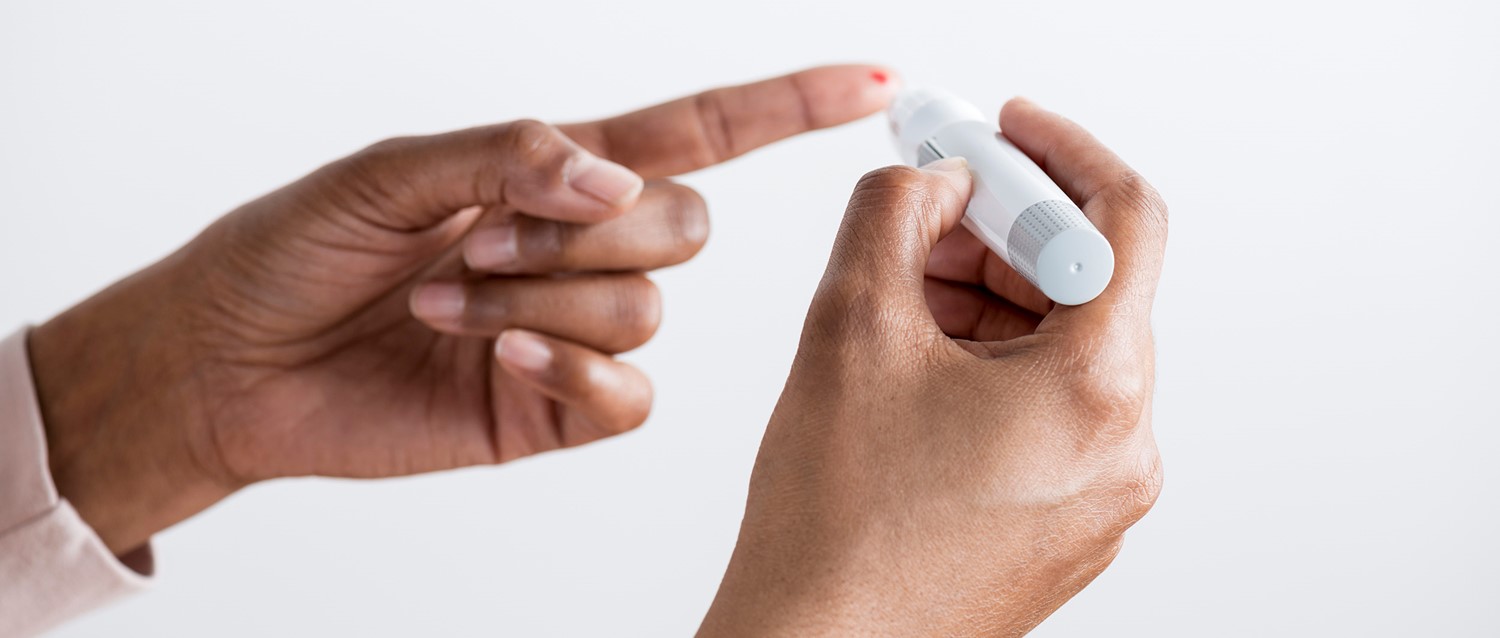
The latest advance is continuous glucose monitoring, via a sensor implanted just under the skin, which gives minute-by-minute feedback on blood glucose levels rather than insulin users having to do regular pinprick tests. At the moment these are expensive and not widely available on the NHS, but I think their use will become more widespread.
The recent introduction of insulin pumps, rather than injections, has been a life-changing development for many with type 1 diabetes. These are worn continuously and deliver fast-acting insulin throughout the day and night, removing the need for injections and giving the user very fine control over how much they receive and when. The pump is made up of a small, battery-operated pack, attached to a thin, flexible tube (cannula) that inserts just beneath the skin, usually on the abdomen.
We’ll see insulin pumps further refined, to the point where artificial intelligence, or AI, is delivering treatment via sensors. If a sensor can interpret information and make intelligent decisions to instruct the pump, it’s acting as an artificial pancreas. This is already in research stages and looking highly possible.
The European Conference on Artificial Intelligence (ECAI) in 2016 even included a workshop on AI for diabetes. This makes sense because the core of type 1 diabetes management is pattern recognition - machine-learning algorithms could make light work of analysing all the variables, such as weight, food intake and activity levels, that are needed to tailor a patient’s insulin dose.
Other areas of research are looking at delaying the onset of treatment by targeting the immune system, and slowing the destruction of insulin-producing cells.
So is there hope on the horizon?
The future is looking brighter for those with type 1, or a predisposition to diabetes, but when it comes to type 2 we all need to act. There’s no medical vaccination yet, but a healthy diet and lifestyle is a vaccine.
Patient picks for Diabetes mellitus

Diabetes
Food shopping tips for those with diabetes
It's natural to feel daunted after a diabetes diagnosis, especially when it comes to meal plans and your weekly shop. But there's no need to fear; the same healthy eating principles apply whether you have diabetes or not. This simple guide offers a common sense view to supermarket shopping for those with the condition.
by Dr Mary Elisabeth Lowth, FRCGP
Diabetes
Diabetes technology
Managing your diabetes requires much mental and physical effort, but technology can help ease some of your workload. Here we look at the technology that is available, what it does, and if it’s right for you.
by Lawrence Higgins
About the author

Danny Chadburn
Head of Content
Danny was the previous Head of Content at Patient.
About the reviewerView full bio

Dr Sarah Jarvis
Clinical Consultant
MA (Cantab), BM, BCh (Oxon), DRCOG, FRCGP, MBE
After training in medicine at Cambridge and Oxford, Dr Sarah Jarvis MBE became a GP.
Article history
Article also available in English, German, Spanish, French, Italian, Portuguese, Hindi, Hebrew, Arabic, and Swedish.
28 Sept 2017 | Originally published
Authored by:
Danny Chadburn
Peer reviewed by
Dr Sarah Jarvis
Join the conversation
Share your thoughts or experiences with others in our patient communities.

Ask, share, connect.
Browse discussions, ask questions, and share experiences across hundreds of health topics.

Feeling unwell?
Assess your symptoms online for free
Sign up to the Patient newsletter
Your weekly dose of clear, trustworthy health advice - written to help you feel informed, confident and in control.
By subscribing you accept our Privacy Policy. You can unsubscribe at any time. We never sell your data.
More in diabetes
- NewAdam Smith on mindfulness, mental health, and diabetes
- Can diet drinks cause type 2 diabetes?
- Can taking supplements help manage diabetes?
- Diabetes burnout - how mindfulness can support your mental wellbeing
- Diabetes increases heart failure risk, particularly in women
- Diabetes technology
- Healthy Hanukkah food for your weight, heart and diabetes
- How technology is changing diabetes
- How to eat out with diabetes
- How your diet can help prevent type 2 diabetes
- Living with diabetes - what you need to know
- Slowdown in type 2 diabetes cases
- The link between diabetes and mental health conditions
- Video: How do you know if you have type 2 diabetes?
- What is diabulimia?
- What is flash glucose monitoring and how can it help people with diabetes?
- What is metabolic syndrome?
- Why low blood sugar is dangerous
- Women with diabetes more likely to experience stillbirth
- Your diabetes medicines explained