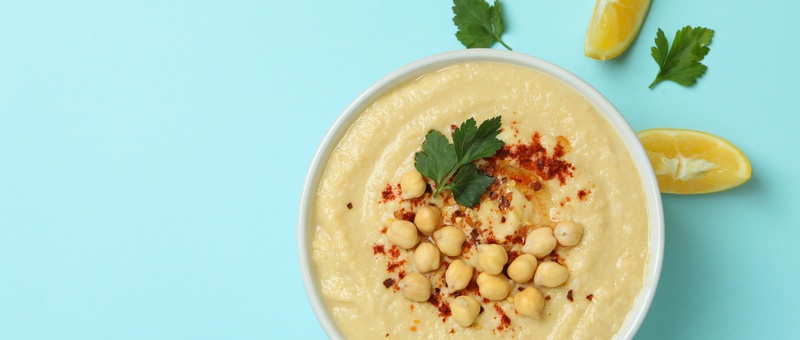
How to comfort eat healthily in winter
Peer reviewed by Dr Colin Tidy, MRCGPLast updated by Victoria RawLast updated 21 Nov 2025
Meets Patient’s editorial guidelines
- DownloadDownload
- Share
- Language
- Discussion
- Audio Version
- Add to preferred sources on Google
When the weather gets colder, many of us look forward to getting cosy indoors with hot and hearty winter comfort foods. However, if these aren't healthy, they can make us feel tired and sluggish when the days get shorter and darker. With some small changes, however, it's possible to create tasty, comforting meals that are good for you too.
Why do we comfort eat in winter?
Sophie Medlin, director and specialist dietitian at CityDietitians and chair of the British Dietetic Association (BDA) for London, says the cold weather and darker nights can often make us reach for comfort foods.
She says: "This may be an evolutionary mechanism from when we lived off the land, that is signalling to our bodies to eat more energy-dense foods in preparation for lower food availability in winter months."
Reema Pillai, a registered dietitian at Dietitian Fit & Co, adds that the feeling we get from certain foods can also have an effect on what we want to eat too.
"There is a strong link between our gut and our brain," she explains. "Studies have shown that eating comforting food that we enjoy can lead to a release of the 'happy' hormones serotonin and dopamine, which leave us feeling comforted.
She advises that sunlight exposure or exercise can also release these happy hormones.
"Both of these are often reduced over the winter months, so food can become our go-to for comfort," she says. "Additionally, people may experience a natural lower mood in winter, which can lead us to comfort eat. Often we eat comforting foods to give us a temporary feeling of pleasure."
What foods are both comforting and healthy?
Not all comfort foods are unhealthy. By including more high-fibre ingredients and vegetables, it is easy to create nourishing, comforting meals.
"In colder months, soups, stews, or curries can be warming," says Pillai. "Mixing things up can help meals stay interesting and exciting. Try to focus on getting in some whole grains with meals - such as brown rice or pasta - or perhaps some quinoa or buckwheat. These are great to put into a soup or stew, or with a Thai coconut vegetable curry instead of white rice."
Try to also add in a source of protein with meals - such as chicken, fish, eggs, beans, lentils, tofu or Quorn. These foods help keep us more satisfied and fuller for longer.
Pillai also advises that adding in a colourful mix of vegetables helps us get a range of nutrients.
"Try to shop seasonally," she says. "Vegetables such as kale, butternut squash, carrots, cauliflower, leeks, onions, pumpkin, cabbage, and turnips are all in season at this time of the year."
Medlin recommends healthy, fibre-rich meals such as bean stews, stewed fruit with toasted oats, and soups with crusty wholemeal or wholegrain bread.
She adds: "It can also be helpful to add some additional vegetables, beans, or lentils to dishes such as shepherd's pie and lasagne to make them healthier."
What are examples of healthy, comforting recipes?
Eating well doesn't have to mean giving up on the foods you love. Instead, try swapping certain ingredients for healthier versions.
If you fancy something rich and creamy, swap cream for Greek yoghurt in a curry or soup.
Pillai says: "If you're craving some carbohydrates, try a tray of spiced roasted vegetables, including potato, sweet potato, onions, parsnips, peppers, and carrots."
One of Pillai's go-to comfort recipes is a pasta bake.
"I use wholemeal pasta, as I find it more filling than regular pasta, and mix with some chicken pieces, cream cheese, and then a few of my favourite vegetables - often broccoli and spinach," she says. "Frozen vegetables work great to help save preparation time in the kitchen, and they are very nutritious too."
She also suggests trying a lentil Bolognese.
"This can be made in advance, or in the slow cooker," she says. "You can include a range of vegetables such as carrots, tomatoes, celery, onions, and peppers to the lentils and then let it simmer away. Serve it in a bowl and don't forget a sprinkle of cheese."
Winter comfort food recipes
Another good option is a butternut squash soup, which is full of vitamins and minerals. Enjoy with crusty, wholemeal bread.
A lentil and sweet potato curry is hearty and healthy. You can also cook a big batch and freeze it, so you have a quick meal when you're too tired to cook.
Try a chicken, butterbean and pepper stew on a cold day.
What else do we need to include in our diets in winter?
To stay healthy all year round, we need to eat at least five portions of fruit and vegetables a day - as well as high-fibre or wholemeal starchy foods. It's also important to choose small amounts of unsaturated oils and spreads, and to include protein. However, there are other things we can do in winter to stay well.
"Winter is the season for flus or other illnesses," says Pillai. "So trying to ensure we have a good range of fruits and vegetables in our diet can help us get an adequate level of vitamins and minerals to help support our immune system."
It is also recommended that everyone should take a daily 10 micrograms (400 International Units) vitamin D supplement from September to April.
"This is because the best source of vitamin D is sunlight and there are few rich sources of vitamin D through our diet," says Pillai. "If you are concerned about your vitamin D levels, please speak to your doctor."
Patient picks for Healthy eating
Diet and nutrition
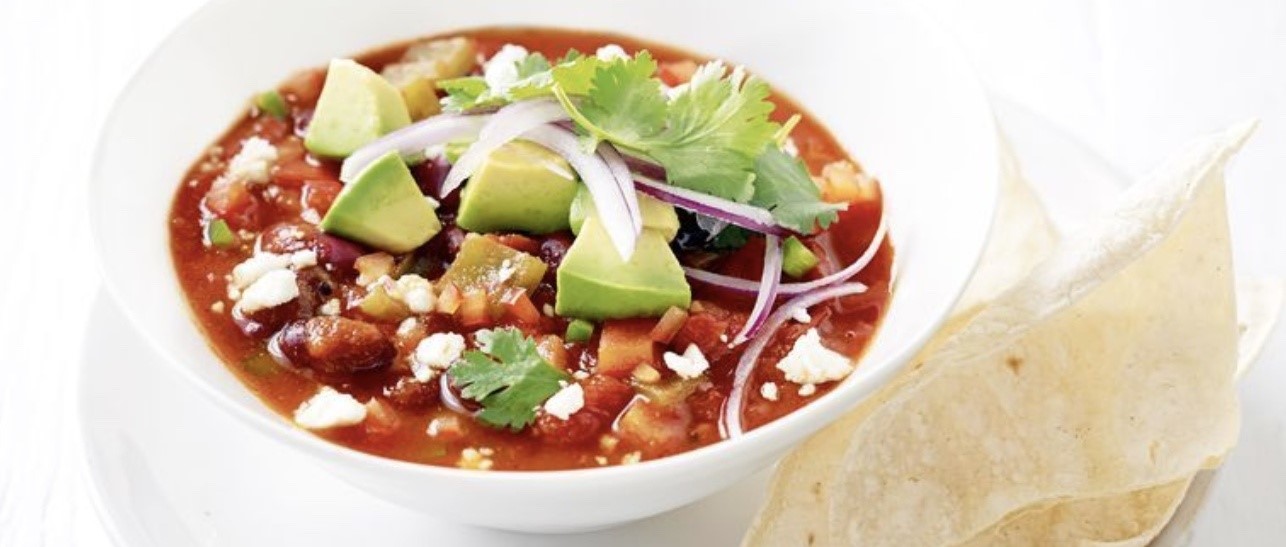
5 warming soup recipes
There’s nothing like a hot, tasty bowl of soup to combat chilly weather. But did you know that this comfort food can also help protect us against common illnesses?
by Amberley Davis
Diet and nutrition
What is the Nordic diet?
The Nordic diet originates from the traditional eating habits of regions in northern Europe and the North Atlantic. These colder countries share a dietary approach of locally grown plant-based foods and responsibly sourced game meats. It’s sometimes called the Scandinavian diet, but whichever name you know it by, let's take a look at what it involves, along with its potential health benefits.
by Victoria Raw
About the authorView full bio
Updated by

Victoria Raw
Feature Writer
BA (Hons), English Literature
Victoria is a content writer at Patient, with special interests spanning mental wellbeing, societal trends and the impact of technology on our health.
Authored by

Lydia Smith
Feature writer
BA, MA, MSc
Lydia Smith is an award-winning journalist and feature writer who has written extensively on women's health and mental health. She is currently studying for an MSc in psychology.
About the reviewerView full bio

Dr Colin Tidy, MRCGP
General Practitioner, Medical Author
MBBS, MRCGP, MRCP (Paediatrics), DCH
Dr Colin Tidy is an NHS Doctor, based in Oxfordshire.
Article history
Article also available in English, German, Spanish, French, Italian, Portuguese, Hindi, Hebrew, Arabic, and Swedish.
Next review due: 20 Nov 2028
21 Nov 2025 | Latest version
26 Oct 2021 | Originally published
Authored by:
Lydia Smith
Join the conversation
Share your thoughts or experiences with others in our patient communities.

Ask, share, connect.
Browse discussions, ask questions, and share experiences across hundreds of health topics.

Feeling unwell?
Assess your symptoms online for free
Sign up to the Patient newsletter
Your weekly dose of clear, trustworthy health advice - written to help you feel informed, confident and in control.
By subscribing you accept our Privacy Policy. You can unsubscribe at any time. We never sell your data.