What are the risks of alcohol as you get older?
Peer reviewed by Dr Colin Tidy, MRCGPLast updated by Victoria RawLast updated 13 May 2025
Meets Patient’s editorial guidelines
- DownloadDownload
- Share
- Language
- Discussion
- Audio Version
- Add to preferred sources on Google
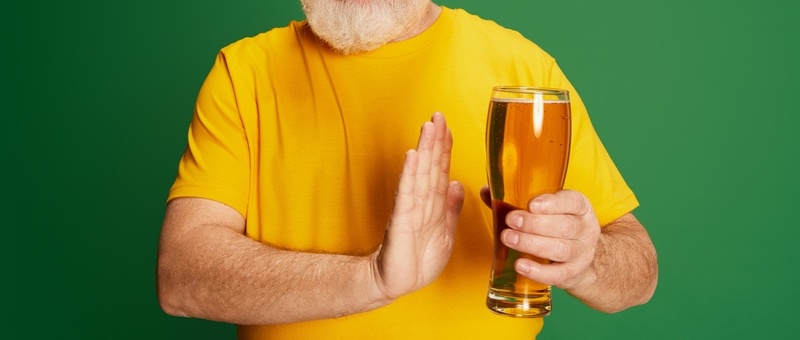
Alcohol presents health hazards for people of all ages. But as we age our bodies are less able to cope with its effects, and health concerns increase even more. This includes our chance of developing several cancers, the likelihood of breaking a bone after a minor fall, slower reaction times, and bad reactions to medicines.
Alcohol and ageing
As you get older, your body becomes less able to cope with alcohol. That's partly because some of your muscle is replaced by fat. What's more, the amount of water in your body gradually goes down - and alcohol is diluted by the water in your bloodstream. That means even if you drink the same amount of alcohol as someone younger, you're likely to have a higher level of alcohol in your blood.
Your liver processes alcohol, and too much alcohol can cause damage to your liver. As you age, the blood flow to your liver is decreased. That means alcohol stays in your liver for longer and can cause more harm.
Medicine side-effects and complications
Your liver also processes a whole host of medicines, which can interact with alcohol. This could mean you get more side effects. For example, painkillers, some antihistamines and some antidepressant medicines can make you feel drowsy, and this is often made worse by alcohol.
It could make you more susceptible to complications. Drinking alcohol with some diabetes medicines increases your chance of dangerous low blood sugar, and taking it with the blood-thinner warfarin could increase your chance of bleeding.
Dizziness and falls
If your blood pressure is too high, it raises your odds of developing heart attack and stroke. That's why it's so important to get your blood pressure checked regularly as you age, and to take medicine to control it if needed.
But as you get older, your body's ability to keep your blood pressure high enough if you become dehydrated, or stand up too quickly, begins to slow down. That means you may be prone to funny turns - feeling lightheaded if you stand up too fast or get up out of bed. Drinking alcohol increases your chance of these funny turns, and this dizziness makes you more susceptible to falls.
Avoiding falls depends on a combination of reflexes, hearing, coordination, eyesight and muscle strength. Even a small amount of alcohol can slow down your reflexes and reaction time further. This is another reason alcohol makes you more likely to have a fall as you get older. And if you do slip, you're more likely to break a bone even with a minor tumble, because your bones tend to become thinner with age.
Alcohol also increases your chance of developing osteoporosis, or thinning of the bones. This is a very common issue in older people, especially women - 1 in 2 women and 1 in 5 men over 50 will break a bone because of osteoporosis.
Alcohol, age, and cancer risk
In the longer term, drinking alcohol increases your likelihood of developing several cancers. For some, such as breast cancer, there's no lower level where drinking is safe. A unit of alcohol is around half a pint of normal strength beer or a single pub measure of spirits - a standard glass of wine has about 2.5 units. And even 1 unit of alcohol a day increases your chance of breast cancer by 7-11%.
The risks of cancer increase for men, too, even at lower levels of drinking.
Guidelines now recommend that both men and women should stick to no more than 14 units a week, spread over several days and with at least a couple of alcohol-free days every week.
You can work out how many units you are drinking by using our alcohol units calculator.
How to drink less as you get older
Research shows that older people may turn to alcohol as a result of changes in their circumstances. This could be because they are retired and don't have as much to occupy their time. They may be less mobile and can't get out to socialise as much, or because they're mourning the loss of a loved one.
Of course, many older people have highly fulfilling, healthy lives. But staying safe and well takes a few more precautions as time passes. Keeping your alcohol intake moderate as you get older is a really sensible start to living a longer, healthier life.
These tips can help you enjoy alcohol in moderation:
Limit the times you drink - for instance, only drinking alcohol with meals means you'll absorb it more slowly, keeping your blood alcohol levels lower.
Alternate soft and alcoholic drinks when you go out.
Have an extra one or two alcohol-free days each week.
Devise some mocktails - alcohol-free cocktails which will feel like you're having a treat, without the drawback of a hangover.
It’s also so important to try and keep your mind and body as active as you can as you get older. You don't need to train for a marathon - a regular gentle walk can help you reconnect with nature, and even better if you go with a friend.
With thanks to My Weekly magazine, where this article was originally published.
Patient picks for Alcohol advice
Healthy living
What not to say to someone who doesn't drink alcohol
There are a variety of reasons why people don't drink alcohol. Maybe it's a simple lifestyle choice, or they might be trying to overcome an addiction. Whatever the situation, it's important to be respectful, particularly as we enter Christmas and New Year party season. Likewise, if you're struggling with your drink, there are places you can seek help.
by Emily Jane Bashforth
Healthy living
One in five hospital patients have a problem with alcohol
One in 10 people admitted to an NHS hospital are addicted to alcohol, new research finds.
by Ashwin Bhandari
About the authorView full bio
Updated by

Victoria Raw
Feature Writer
BA (Hons), English Literature
Victoria is a content writer at Patient, with special interests spanning mental wellbeing, societal trends and the impact of technology on our health.
Authored by

Dr Sarah Jarvis
Clinical Consultant
MA (Cantab), BM, BCh (Oxon), DRCOG, FRCGP, MBE
After training in medicine at Cambridge and Oxford, Dr Sarah Jarvis MBE became a GP.
About the reviewerView full bio

Dr Colin Tidy, MRCGP
General Practitioner, Medical Author
MBBS, MRCGP, MRCP (Paediatrics), DCH
Dr Colin Tidy is an NHS Doctor, based in Oxfordshire.
Article history
Article also available in English, German, Spanish, French, Italian, Portuguese, Hindi, Hebrew, Arabic, and Swedish.
Next review due: 14 May 2028
13 May 2025 | Latest version
31 Jan 2024 | Originally published
Authored by:
Dr Sarah Jarvis
Join the conversation
Share your thoughts or experiences with others in our patient communities.

Ask, share, connect.
Browse discussions, ask questions, and share experiences across hundreds of health topics.

Feeling unwell?
Assess your symptoms online for free
Sign up to the Patient newsletter
Your weekly dose of clear, trustworthy health advice - written to help you feel informed, confident and in control.
By subscribing you accept our Privacy Policy. You can unsubscribe at any time. We never sell your data.