Can the clocks changing affect insomnia?
Peer reviewed by Dr Sarah JarvisAuthored by Danny ChadburnOriginally published 27 Sept 2017
Meets Patient’s editorial guidelines
- DownloadDownload
- Share
- Language
- Discussion
- Audio Version
- Add to preferred sources on Google
Insomnia means you suffer from sleep problems such as difficulty falling asleep, staying asleep, waking up too early or not getting enough refreshing sleep, and it affects one in five of us in the UK.
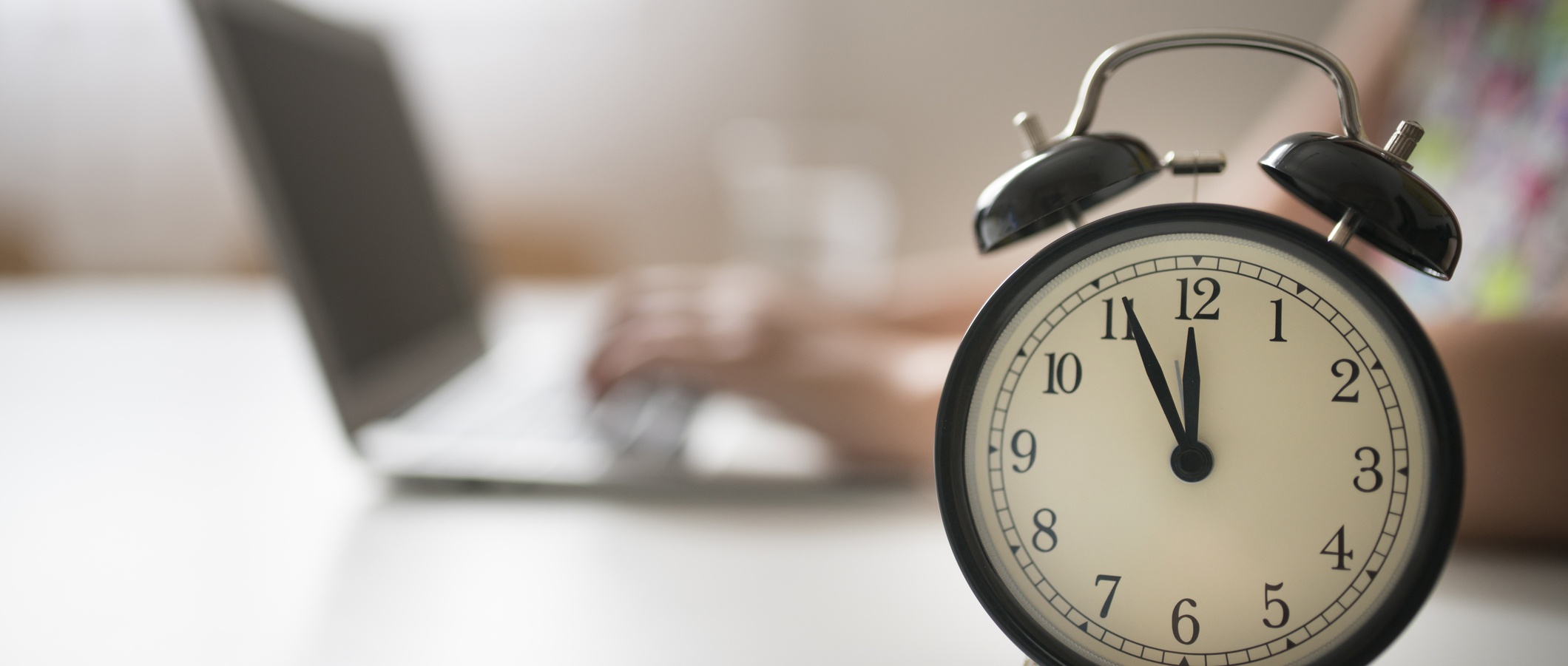
It can be triggered by a number of different issues including stress, illness, snoring or sleep apnoea, short-term problems like a strange bed, or jet lag. Sleep experts believe that the clocks going forwards or backwards can cause insomnia too.
How does one hour make a difference?
‘Sleep is affected by anything that alters your body clock, so losing or gaining an hour can be enough to disrupt the sleep-wake cycle,’ says Dr Guy Meadows, founder of The Sleep School.
Luckily, most of us will be able to cope with this shift. Dr Neil Stanley from The Sleep Consultancy says ‘From a physiological point of view, it only takes about a day to a day and a half to get over each hour that changes.’ But problems start when we begin to worry that we can’t cope.
‘You might start to feel anxious about falling asleep, which inadvertently keeps you awake. Unfortunately, the more you fear the impact that a lack of sleep could have on your life, the more you try to control it and the more conditioned you become to feeling awake whenever you try to sleep,’ says Dr Meadows.
Any temporary sleeplessness caused by the clocks changing could then develop into chronic insomnia, lasting months or even years.
What can I do to look after myself?
First, try to keep the hour’s time difference in perspective. ‘It’s the same as travelling from London to Paris, and plenty of people do that without worrying or experiencing any side effects,’ says Dr Stanley.
You can also prepare your body in advance for the clocks changing. Dr Meadows says, ‘Four days before the clocks change, set your alarm forward or backwards by 15 minutes sequentially every day. When the clocks do change, there will be no actual change to your lifestyle.’
There is evidence to show that our circadian rhythm - or body clock - is actually 24 hours and 11 minutes long, but we only have 24 hours in a day. However, this shows that our bodies are able to cope with an 'artificial' shortening of time, so putting your clocks backwards or forwards by just 15 minutes a day should not have an adverse affect on your internal body clock.
Avoid having a lie-in to make up for the lost hour in spring, or napping during the day. This can have a knock-on effect on your sleep-wake cycle, making it even harder to fall asleep at night or wake up in the mornings feeling refreshed.
You can prepare your bedroom for the changing seasons too. ‘In the spring and summer, unless you have blackout curtains, the sun streaming through the windows will wake up you early,’ says Dr Stanley. Blackout curtains are also useful in winter to block out strong streetlights at night.
More steps to tackle insomnia
Make sure you’re following a good sleep hygiene routine such as cutting out caffeine before bed, getting to bed at the same time every night, and not using smartphones or tablets at least an hour before going to sleep.
You could also try a mindfulness app to help you fall asleep. Mindfulness is about bringing your awareness back to the present moment, helping you notice any thoughts and feelings that crop up without judging them. Once you start letting go of your worries about falling asleep, you might find it happens more naturally.
Still struggling to get to sleep? Traditional CBT advises you to get out of bed and do something else, so your brain doesn't learn to associate your bed with not falling asleep. But Dr Meadows teaches ACT - acceptance and commitment therapy - to tackle insomnia.
'I totally agree that you shouldn't lie in bed struggling to fall asleep, but why struggle at all?' he says. 'ACT is about learning to be in bed with your fears about not sleeping rather than worrying how to avoid them. Many people find the thing that's keeping them awake is actually their desperation to fall asleep.'
Once your body has learned to cope with the clocks changing, you may be able to manage jet lag more effectively in future too. Now, did somebody mention New York…?
Patient picks for Sleep and insomnia
Healthy living
Gratification snoozing: the viral sleep trend that could be making you more tired
Getting enough quality sleep is one of the best things you can do for your health. So naturally, social media has found a way to interfere with it. The latest viral craze, ‘gratification snoozing’, involves setting multiple alarms throughout the night so you can enjoy the feeling of falling back asleep. But while it may sound satisfying, this trend could be doing more harm than good. Here’s why experts say gratification snoozing isn’t the sleep hack it’s claimed to be - and what you should do instead to wake up feeling genuinely refreshed.
by Victoria Raw

Healthy living
How to fall asleep fast: 5 simple methods for speedy sleep
If you're struggling to sleep, you're not alone. Here are some popular methods to help you unwind and snooze off faster.
by Victoria Raw
About the author

Danny Chadburn
Head of Content
Danny was the previous Head of Content at Patient.
About the reviewerView full bio

Dr Sarah Jarvis
Clinical Consultant
MA (Cantab), BM, BCh (Oxon), DRCOG, FRCGP, MBE
After training in medicine at Cambridge and Oxford, Dr Sarah Jarvis MBE became a GP.
Article history
The information on this page is peer reviewed by qualified clinicians.
Article also available in English, German, Spanish, French, Italian, Portuguese, Hindi, Hebrew, Arabic, and Swedish.
27 Sept 2017 | Originally published
Authored by:
Danny Chadburn
Peer reviewed by
Dr Sarah Jarvis
Join the conversation
Share your thoughts or experiences with others in our patient communities.

Ask, share, connect.
Browse discussions, ask questions, and share experiences across hundreds of health topics.

Feeling unwell?
Assess your symptoms online for free
Sign up to the Patient newsletter
Your weekly dose of clear, trustworthy health advice - written to help you feel informed, confident and in control.
By subscribing you accept our Privacy Policy. You can unsubscribe at any time. We never sell your data.
More in healthy living
- AI skin analysis: what it is and why experts warn against it
- Can spending time in nature benefit your mental health?
- UpdatedDoes getting good sleep really improve your skin?
- Does stress cause weight gain?
- How can you start strength training at home?
- How does alcohol affect your body temperature?
- How does your period impact your sleep?
- How remote mental health services have helped the LGBTQ+ community
- Is crying good for you?
- Is going sober becoming a trend?
- Is the vagus nerve the key to our mental health?
- Problems caused by being underweight
- Switch off TV in the bedroom to avoid weight gain
- The link between gut health and happiness
- What are sleep trackers and do they work?
- What are the benefits of postnatal Pilates?
- What does it mean to be intersex?
- What mental health support is available to veterans?
- Why being kind helps others and benefits you too