How to spot the signs of an exercise addiction
Peer reviewed by Dr Sarah JarvisAuthored by Lydia SmithOriginally published 20 Jul 2018
Meets Patient’s editorial guidelines
- DownloadDownload
- Share
- Language
- Discussion
- Audio Version
- Add to preferred sources on Google
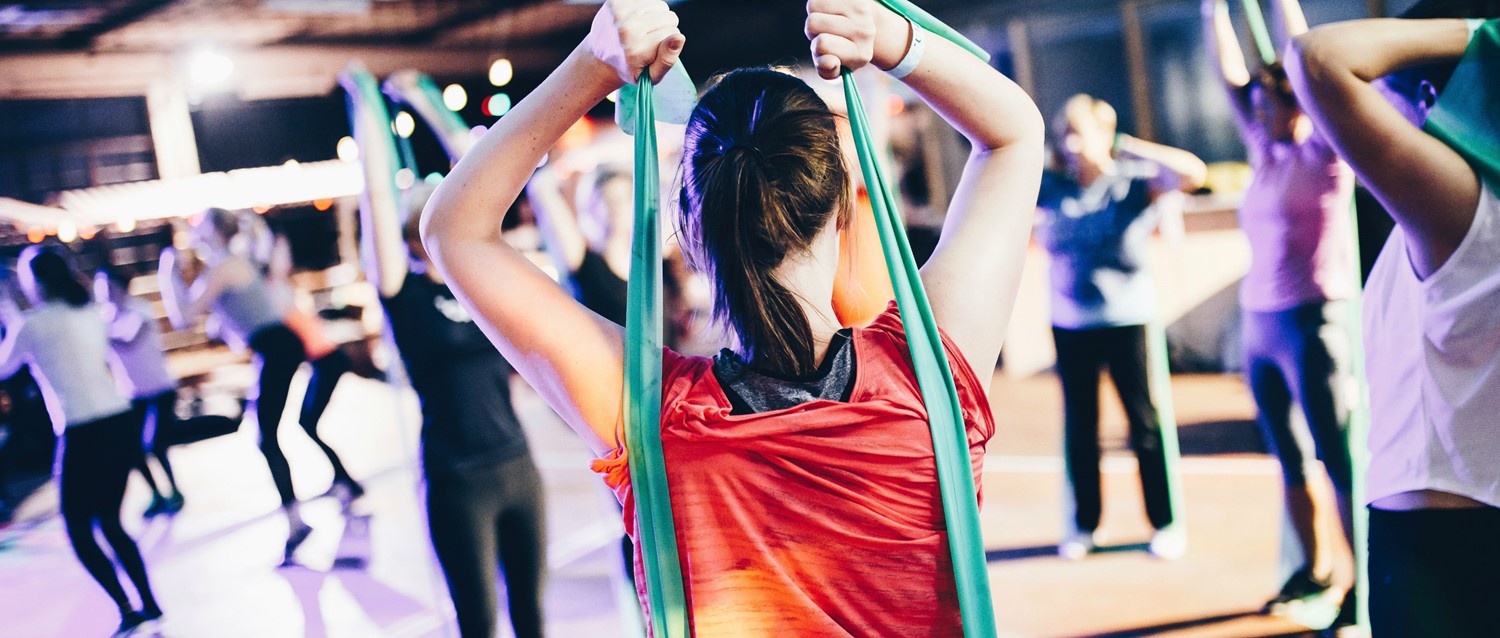
Working up a sweat - whether it's a gym class or a jog - is known to help improve our physical and mental well-being. Despite this, it's possible to slip into an unhealthy, compulsive relationship with exercise - which can impact physical and mental health. We explore the warning signs of a fitness addiction.
"Exercise addiction is where a person exercises a lot of the time, wants to exercise a lot of the time, thinks a lot about exercising and becomes emotionally disturbed when they cannot exercise. For example, due to work or family life getting in the way, illness or injury," says Dr Victor Thompson, a clinical sports psychologist.
Although an exercise addiction isn't officially classified as a mental health disorder, it is characterised by having similar negative effects on well-being as other addictions.
"The degree to which exercise dominates their thinking, their choices and behaviour is at a level that interferes with other aspects of life and often those around them," he explains. "There is an inflexibility about their exercise activity."
The main symptom of addiction is the inability to stop exercising obsessively even when it has negative consequences - such as alienating friends and family, or struggling to focus at work.
Primary and secondary addiction
Psychologist Louise Watson explains there are different types of exercise addiction: primary and secondary.
"Primary addiction is where you are purely addicted to exercise," she says. "It could be to do with the endorphins you get out of exercise, or a self-esteem issue - they set themselves an amount of exercise to feel good enough. Or, it can be secondary to eating disorders."
Rebecca Whitehead, 29, started to exercise excessively after having her son two years ago. She started a slimming group and over the course of a year, began to feel more confident.
"I then joined the gym and started to step things up a gear; before, I had just been walking my son in the pushchair a few hours a week," she says. Whitehead decided to challenge herself and enter a bodybuilding competition, which meant a strict diet and training five days a week.
"After a few months, it began to take over my life. Every evening I would be at the gym and even when at home I was running on the spot trying to get as many steps on my Fitbit® as I could for the day, doing burpees randomly in the living room when I had a spare minute," she says.
Her eating became disordered and she began to think about food constantly, as well as avoiding social occasions because she couldn't track what was in her food. She would also binge eat.
"It consumed my life and instead of a camera roll full of photos of my family I suddenly had hundreds of body progress photos of me standing in a mirror in my underwear. Every morning I stepped on the scales and the number determined my mood for the day," Whitehead says.
Why some people become addicted to exercise
Exercise is beneficial to mental health, as physical activity releases brain chemicals such as endorphins which help boost our mood.
Whether someone develops an exercise addiction depends on their personality, circumstances and other factors.
"It is a consequence of what exercise gives them," Thompson says. "It is good for our self-esteem and self-confidence. It gives us goals to work towards and shows us progress, results and achievements. All this is very rewarding and can encourage us to seek out more and more opportunities to exercise."
People who struggle with addictive personalities, negative body image, low self-esteem or a lack of confidence may also be at higher risk.
"For some of us, exercise takes us away from life's challenges - at school or work, at home or in our relationships," Thompson says. "So, if exercise is the one place or the 'best' place for someone to feel good, then why wouldn't they seek out more of this experience?"
When to seek help
"If there are any warning signs of exercise being or becoming an addiction - the inflexibility, the dominance, aches and pains - then consider getting in touch with a sports psychologist or clinical psychologist with experience in this area, because we can really help you regain a better balance and a healthier life," Thomson says.
It's also important to remember that exercise addiction can lead to other mental health disorders too. For instance, in men in particular, eating disorders are often triggered by a desire to get into good physical shape which takes over their lives.
Different therapies, such as talking therapies or cognitive behavioural therapy (CBT), can help change a person's negative thought patterns - such as anxiety - which can underpin an exercise addiction. Your GP can advise the best support for you.
"I think CBT is the treatment of choice for any behavioural issue like this," Watson says. "The type of CBT you would offer would depend on whether it's primary or secondary exercise addiction."
Talk to friends or family
If you are worried about your own exercising habits, confiding in people close to you is important, as addiction can be isolating.
If you are concerned someone close to you has an exercise addiction, speak to them in a way that isn't judgemental or confrontational.
Express your worries and offer to help, but remember they may not see they have a problem - so let them know you will be there if they do want support.
Time block
If there are certain times you may hit the gym or go for a run, try filling that period with things other than exercise. You could try a language class - which shifts your focus on to something other than the gym.
A healthy relationship with exercise is possible
You can develop a healthy relationship with exercise through variety and balance, Thompson says.
"Sport and exercise are great and should find a good place in our routine - even if this is going for a 10-minute brisk walk each day. Then think about other activities - socialising where you spend time with good people, relaxing, learning and challenging your brain and so on," he says.
"Next is balance: over your week, month or year, are there times when you do these different activities in a reasonably balanced way? So with exercise, you do more then a bit less, maybe one type of exercise for a while, then another. This lets your body recover."
Whitehead realised she had a problem when her partner expressed concerns, so she began to change her lifestyle.
"I decided to make a new Instagram account, as mine was filled with so-called 'fitspos' and people with unrealistic bodies that are not maintainable. I wanted to live a healthy lifestyle with a balance," she says.
"Fitness will always be a part of my life, but it is not the most important thing in it. I exercise to feel good now; instead of just weightlifting, I do what I fancy, from yoga to jogging to HIIT training. I don't beat myself up if I miss a workout and I'll enjoy a piece of cake guilt-free every now and then."
Patient picks for Exercise and physical activity
Healthy living
How to do Pilates at home
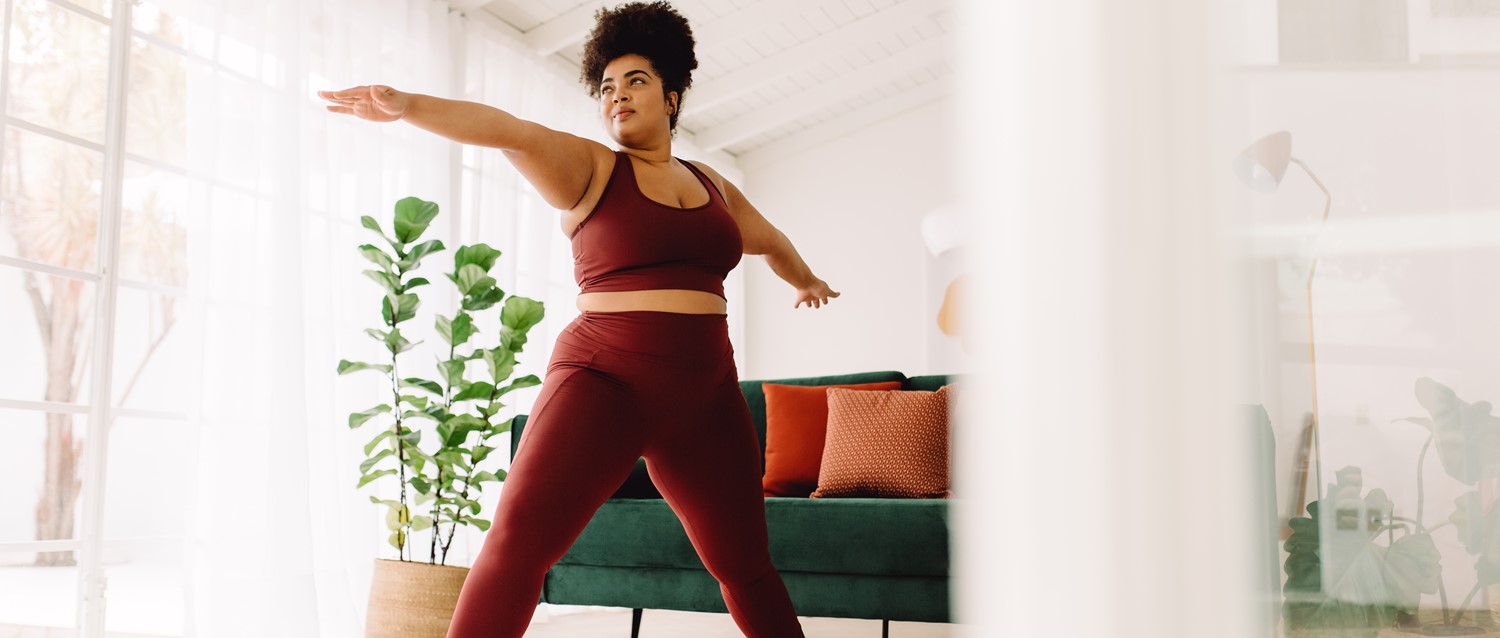
One of the great things about Pilates is that it can be done from your living room or bedroom - you don't need to go to a fancy Pilates studio providing you have plenty of space. If you are doing Pilates at home, it's important to do so safely and, if you are a beginner, you should work your way up to more advanced exercises and positions, rather than pushing yourself straightaway.
by Emily Jane Bashforth

Healthy living
Do sports drinks really work to improve performance?
Whether it's the World Cup or the Olympics, you'll see athletes regularly picking up a sports drink for a glug. Marketeers hope we'll do the same, whether after a workout at the gym or to rehydrate in the office. But do they really help sports performance or are they just a waste of money?
by Dr Carrie Ruxton, PhD, Child Nutrition
About the authorView full bio
Authored by

Lydia Smith
Feature writer
BA, MA, MSc
Lydia Smith is an award-winning journalist and feature writer who has written extensively on women's health and mental health. She is currently studying for an MSc in psychology.
About the reviewerView full bio

Dr Sarah Jarvis
Clinical Consultant
MA (Cantab), BM, BCh (Oxon), DRCOG, FRCGP, MBE
After training in medicine at Cambridge and Oxford, Dr Sarah Jarvis MBE became a GP.
Article history
Article also available in English, German, Spanish, French, Italian, Portuguese, Hindi, Hebrew, Arabic, and Swedish.
20 Jul 2018 | Originally published
Authored by:
Lydia SmithPeer reviewed by
Dr Sarah Jarvis
Join the conversation
Share your thoughts or experiences with others in our patient communities.

Ask, share, connect.
Browse discussions, ask questions, and share experiences across hundreds of health topics.

Feeling unwell?
Assess your symptoms online for free
Sign up to the Patient newsletter
Your weekly dose of clear, trustworthy health advice - written to help you feel informed, confident and in control.
By subscribing you accept our Privacy Policy. You can unsubscribe at any time. We never sell your data.