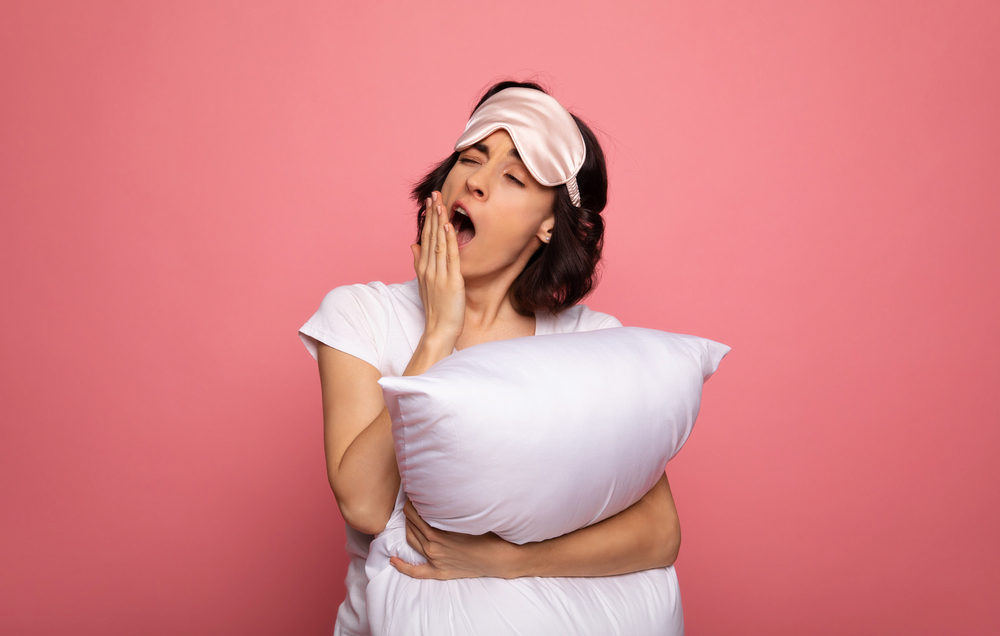
Why can't I sleep? 12 common causes and what to do
Peer reviewed by Dr Colin Tidy, MRCGPLast updated by Heather AinsworthLast updated 29 Jun 2026
Meets Patient’s editorial guidelines
- DownloadDownload
- Share
- Language
- Discussion
- Audio Version
- Add to preferred sources on Google
Struggling to fall asleep can be frustrating. Whether you're lying awake for hours, waking up repeatedly during the night, or finding yourself wide awake at 3 am, there are many possible reasons behind poor sleep.
In some cases, lifestyle habits such as drinking too much caffeine or using your phone before bed may be to blame. In others, underlying health conditions or hormonal changes can affect your ability to get a good night's rest.
Around one in five adults experience insomnia or significant sleep problems at any given time.1 But the good news is that for the vast majority of people, not being able to sleep is temporary.
Here are some of the most common reasons why you can't sleep and what you can do about it.
Reasons why you can't sleep
1. Stress and anxiety
Stress and anxiety are among the most common causes of sleep problems. People with anxiety are more likely to experience insomnia as worrying about work, finances, family, or other concerns can keep the mind active when it's time to sleep.2
This can lead to overthinking, restlessness, and frequent waking during the night.
2. Too much caffeine
Caffeine is a stimulant that can remain in your body for several hours. Coffee, tea, energy drinks, and some fizzy drinks may make it harder to fall asleep, particularly if consumed later in the day.
Studies have shown that caffeine consumed even six hours before bedtime can disrupt sleep and reduce total sleep time.3
Reducing caffeine intake in the afternoon and evening may improve sleep quality.
3. Screen time before bed
Phones, tablets, and televisions emit blue light, which can interfere with the production of melatonin, the hormone that helps regulate sleep.4
Scrolling social media or watching stimulating content may also keep your brain alert when it should be winding down.
4. Depression and low mood
Sleep problems and depression often go hand in hand. Some people with depression struggle to fall asleep, while others wake up very early and cannot get back to sleep.5
Persistent low mood, loss of interest in activities, and tiredness during the day may suggest depression is contributing to your sleep difficulties.
5. Pain and discomfort
Chronic pain, arthritis, headaches, back pain, and other physical conditions can make getting comfortable difficult. Pain may also cause you to wake during the night.6
Treating the underlying cause of discomfort can often help improve sleep.
6. Medication side effects
Certain medications can affect sleep.7 These include:
Some antidepressants.
Asthma medications.
Blood pressure medicines.
If you think a medication is affecting your sleep, speak to your doctor or pharmacist before stopping treatment.
7. Sleep apnoea
Sleep apnoea is a condition that causes breathing to repeatedly stop and start during sleep. This can disrupt your sleep and prevent you from getting enough restorative rest.8
As a result, people with sleep apnoea may wake up frequently throughout the night, even if they do not remember doing so.
If you think you or someone you know has sleep apnoea, you should see your doctor for a medical assessment and treatment.
8. Restless leg syndrome
Restless leg syndrome causes uncomfortable sensations in the legs and an overwhelming urge to move them, especially in the evening or at night.
Symptoms often become worse when lying down and can make it difficult to fall asleep.9
9. Menopause
Hormonal changes during perimenopause and menopause can disrupt the body's sleep-wake cycle, making it harder to get a good night's sleep.10
Symptoms such as hot flushes, night sweats, and anxiety may make it difficult to fall asleep or cause frequent waking during the night.
As a result, sleep disturbances and insomnia are common during perimenopause and menopause.
10. Alcohol and nicotine
Although alcohol may make you feel sleepy initially, it can disrupt sleep later in the night and increase the likelihood of waking up.11 Nicotine, meanwhile, is a stimulant that can make it harder to fall asleep and stay asleep.12
As a result, both alcohol and nicotine can reduce sleep quality and contribute to insomnia symptoms. Reducing alcohol and quitting smoking may help improve sleep quality.
11. Pregnancy
Hormonal changes, physical discomfort, frequent peeing, and anxiety about the upcoming birth can all contribute to insomnia during pregnancy.13
Sleep difficulties are particularly common during the first and third trimesters.
12. Irregular sleeping patterns
Shift work, jet lag, and inconsistent bedtimes can disrupt your body's natural sleep-wake cycle, making it harder to fall asleep and wake up at the times you want.14
This can lead to difficulty falling asleep, frequent waking, and poor-quality sleep. Going to bed and waking up at similar times each day may help restore a healthy routine.
Why am I tired but can't sleep?
Feeling exhausted but unable to sleep is common. Stress hormones such as cortisol can keep your brain alert even when your body feels tired.
Anxiety, caffeine, irregular sleep patterns, and some medical conditions can all contribute to this feeling.
Why do I wake up at 3 am?
Waking up in the middle of the night occasionally is normal. However, regularly waking at 3 am may be linked to:
Stress or anxiety.
Alcohol consumption.
Hormonal changes.
Sleep apnoea.
Environmental disturbances such as noise or room temperature.
If you wake up at 3 am regularly, try not to watch the clock or use your phone, as this can make it harder to fall back asleep.
What to do if you can't sleep
If you cannot sleep, experts recommend:
Getting out of bed and doing something relaxing if you have been awake more than 20 minutes.
Clearing your mind by journalling or writing down any anxieties or worries.
Adjusting your room temperature so that it is cool, particularly during warmer weather.
Closing your curtains and wearing a sleep mask to keep your room dark.
Read a book or listen to calming music or ASMR.
Practice meditation or breathing exercises.
While these techniques can help when you can't sleep, building a consistent sleep routine and learning how to fall asleep more effectively may help prevent future sleep problems.
How to fall asleep faster
The following strategies may help you fall asleep faster and improve overall sleep quality.
For a better nights sleep, try:
Creating a relaxing bedtime routine.
Avoiding bright lights and reducing screen time before bed.
Using a blue light filter if you do use your phone or other screen.
Keeping your bedroom comfortable and cool.
Avoiding caffeine in the late afternoon and evening.
Limiting alcohol and nicotine.
Exercising regularly during the day.
Avoiding heavy meals close to bedtime.
Many people find that improving their sleep habits consistently over several weeks makes a noticeable difference.
When to see a doctor
Speak to a doctor if:
Sleep problems last longer than several weeks.
Insomnia affects your work or daily life.
You feel excessively tired during the day.
You snore heavily or stop breathing during sleep.
Pain, anxiety or low mood are contributing to poor sleep.
Home remedies are not helping.
Persistent insomnia may require further assessment to identify an underlying cause.
Summary
There are many reasons why you may struggle to sleep, ranging from stress and caffeine to medical conditions such as sleep apnoea and restless leg syndrome.
Making small lifestyle changes can often improve sleep, but persistent or severe insomnia should be assessed by a healthcare professional. Identifying the underlying cause is the first step towards getting better quality sleep and feeling more rested.
Patient picks for Sleep and insomnia

Healthy living
Can you really die from lack of sleep?
If you've ever gone without sleep for an extended period, you will know it isn't exactly a good idea. Even one night of broken sleep can cause problems the next day - and there can be few things worse than not getting enough shut-eye for weeks on end.
by Abi Millar

Healthy living
Sleep diary
Please answer questions A to S each day over the next two weeks. There should be three sheets of paper for answers to be written in boxes. The aim is to measure the pattern and quality of your sleep, and factors that may affect your sleep over the course of two weeks.
by Danny Chadburn
Further reading and references
- Sivertsen et al: Sleep patterns and insomnia in a large population-based study of middle-aged and older adults: The Tromsø study
- Hertenstein et al: Insomnia as a predictor of mental disorders: A systematic review and meta-analysis.
- Drake et al: Caffeine effects on sleep taken 0, 3, or 6 hours before going to bed.
- Heo et al: Effects of smartphone use with and without blue light at night in healthy adults
- Toynbee et al: The prevalence of insomnia in depressed adults: a systematic review.
- Husak AJ & Bair MJ: Chronic Pain and Sleep Disturbances: A Pragmatic Review of Their Relationships, Comorbidities, and Treatments.
- Klugherz et al: Effects of Commonly Prescribed Medications on Sleep
- Malhotra A & White DP: Obstructive sleep apnoea.
- Bogan RK: Effects of restless legs syndrome (RLS) on sleep.
- Haufe et al: The role of ovarian hormones in the pathophysiology of perimenopausal sleep disturbances
- Ebrahim et al: Alcohol and sleep I: effects on normal sleep.
- Catoire et al: Tobacco-induced sleep disturbances: A systematic review and meta-analysis.
- Mindell JA & Jacobson BJ: Sleep disturbances during pregnancy.
- James et al: Shift Work: Disrupted Circadian Rhythms and Sleep-Implications for Health and Well-Being.
About the authorView full bio

Dr Sarah Jarvis
Clinical Consultant
MA (Cantab), BM, BCh (Oxon), DRCOG, FRCGP, MBE
After training in medicine at Cambridge and Oxford, Dr Sarah Jarvis MBE became a GP.
About the reviewerView full bio

Dr Colin Tidy, MRCGP
General Practitioner, Medical Author
MBBS, MRCGP, MRCP (Paediatrics), DCH
Dr Colin Tidy is an NHS Doctor, based in Oxfordshire.
Article history
Article also available in English, German, Spanish, French, Italian, Portuguese, Hindi, Hebrew, Arabic, and Swedish.
Next review due: 29 Jun 2029
29 Jun 2026 | Latest version
30 Oct 2017 | Originally published
Authored by:
Dr Sarah Jarvis
Join the conversation
Share your thoughts or experiences with others in our patient communities.

Ask, share, connect.
Browse discussions, ask questions, and share experiences across hundreds of health topics.

Feeling unwell?
Assess your symptoms online for free
Sign up to the Patient newsletter
Your weekly dose of clear, trustworthy health advice - written to help you feel informed, confident and in control.
By subscribing you accept our Privacy Policy. You can unsubscribe at any time. We never sell your data.
More in healthy living
- Can football tackle mental health stigma?
- Can spending time in nature benefit your mental health?
- Debunking transgender stereotypes and myths
- Do sports drinks really work to improve performance?
- Does eating spicy food help you lose weight?
- Gene discovery may explain why some people cope on little sleep
- How quitting smoking affects your mental health
- How to bind your chest safely
- How to exercise safely in later life
- How to protect your mental health in the workplace as a Black woman
- How to talk to your child about their weight
- How to tell if a drink has been spiked
- One in five hospital patients have a problem with alcohol
- Smoking could lead to sight loss, warn optometrists
- The truth about vaping
- Video: Glute strengthening exercises
- Why does drinking alcohol affect your sleep?
- Why phones should be banned from the bedroom
- Will future towns and cities focus on fitness?