
Hur kost kan minska din risk för stroke och hjärtinfarkt
Granskad av Dr Colin Tidy, MRCGPFörfattad av Dr Sarah JarvisUrsprungligen publicerad 30 Sept 2020
Uppfyller patientens redaktionella riktlinjer
- Ladda nerLadda ner
- Dela
- Language
- Diskussion
- Ask Patient
- Ljudversion
- Lägg till i föredragna källor på Google
Heart attack and stroke between them are still the biggest killers in the UK, and diet has a huge influence on your risk of both. Fortunately the same changes to your diet will cut your risk of both conditions, whether you've had a heart attack/stroke or not.
Explore home heart health tests
Get expert healthcare advice from the comfort of home. Complete a quick online consultation, available 24/7, with your request reviewed by a UK-registered clinician. Next day delivery available on eligible treatments.

Videoval för KostVideobibliotek
A major study of the role of diet in our risk of hjärtsjukdom and other conditions was published last year. It looked at both avoidable deaths and 'Disability Adjusted Life Years', or DALYs - a measure of health among people who are still alive. Here are their conclusions of the impact of food on our health worldwide.
Five+ a day confirmed
In third place - low intake of fruits accounts for 2 million deaths and 65 million DALYs. Of course, veg is also important, and the more variety of fruit and veg you eat the better. Fresh, frozen and canned all count towards your 5 a day, and in an ideal world you'd be better off looking at 7 a day - 5 portions of veg and 2 of fruit.
Standard advice is to 'eat a rainbow' - green leafy veg, red tomatoes, oranges, red soft fruit and purple aubergines are an example. Different coloured fruit and veg contain different vitamins and minerals.
Many of my patients bemoan the cost of fresh fruit and vegetables, convinced that veg-rich diets are only for the wealthy. Yet the humble (and versatile) tinned tomato offers an extraordinary range of benefits for a remarkably modest cost. They are rich in antioxidants - a group of vitamins, carotenoids, phenolic compounds, and phenolic acid that can neutralise free radicals. Since free radicals are unstable molecules linked to the development of a number of degenerative diseases and conditions, the benefits are obvious.
Importantly, while many fruits and vegetables lose some of their health benefits (including much of their water-soluble vitamin C) unless raw or only lightly cooked, the process of cooking actually increases the levels of the powerful antioxidant lycopene in tomatoes.
Low grain, low gain
In second place - low intake of whole grains is estimated to cause 3 million deaths and 82 million DALYs. Whole grain and wholemeal food is an important source of roughage - insoluble fiber which is good for your bowels. But it also helps keep your weight down, helping improve cholesterol and blood pressure and reduce the risk of typ 2 diabetes. And 'soluble fibre', found in many fruits as well as in oats and veg, is particularly effective at controlling cholesterol and blood sugar.
For some people, particularly those with type 2 diabetes, a low-carb diet can result in significant improvements in blood sugar - in many cases, enough to put type 2 diabetes into remission. But there is a world of difference in terms of health harm between the deadly white stuff and other forms of starchy carbohydrates.
Switching refined carbs (sugar, white flour products) for unrefined (wholemeal and whole grain) is an easy way to help your heart. Pulses and lentils are a great way to boost your protein and fibre intake - add them to stews or soups.
A seriously salty truth
The winner - excess salt in our diet is thought, worldwide, to lead to up to a staggering 1-5 million deaths and 70 million DALYs. The extraordinary thing here is the main effect of high salt intake is on just one risk factor - högt blodtryck. On average as a country we eat about 8 grams of salt a day, 25% more than the recommended 6 grams (about a teaspoon). The Department of Health has worked out that if we all cut our salt intake by just one gram a day, we could prevent well over 4,000 early deaths a year in the UK. In pounds, shillings and pence, this tiny change would save the NHS £288 million a year.
Three quarters of the salt in our diet comes from processed foods - often hidden in sauces, soups and pickles, as well as the more obvious salty snacks, bacon and salamis. Cooking from scratch allows you much more control over the ingredients - flavouring with herbs, spices and lemon juice instead of salt. In the long term, a gradual reduction in the levels of salt in your diet can help retrain your palate so you don't miss it. But if you want the flavour of salt, consider a reduced sodium alternative such as LoSalt.
Fads for life
The Portfolio diet, which can reduce cholesterol over the long term by 20%, follows many of these principles. As well as lots of fruit, veg and pulses, they recommend upping your soya intake - tofu, soya drinks or yoghurts and soya beans all count. Another of their secret weapons is a daily dose of plant sterol or stanol - Flora ProActiv, Benecol etc. Another still is nuts (in their case almonds) which provide 'good' oils to improve your cholesterol.
Finally, the Mediterransk kost is associated with long life for a reason. Fruit, veg, whole grain foods and unsaturated fats (olive or rapeseed oil) all feature here - along with low intake of saturated fats (from fatty meat and processed cakes, pastries etc) and regular oily fish. Importantly, refined sugar intake is also low in the Mediterranean diet.
Dr Sarah Jarvis has acted as a medical advisor for LoSalt.
Patientval för Kost
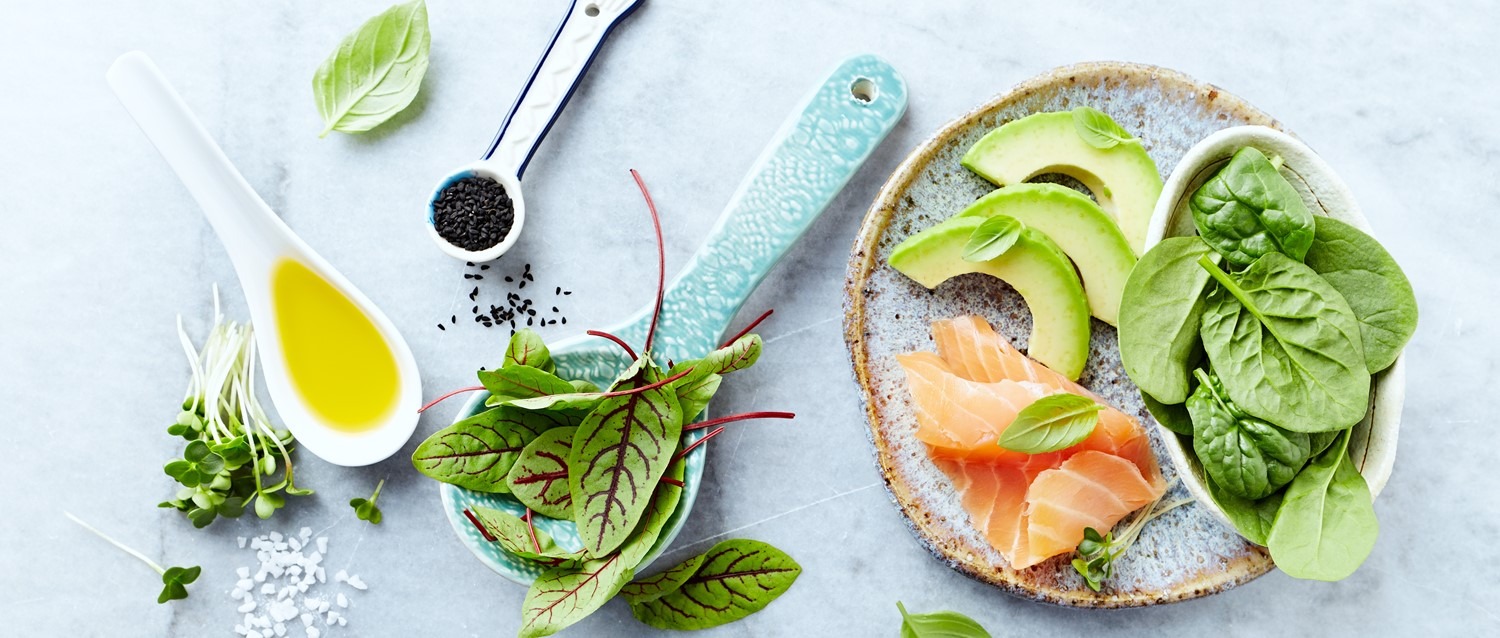
Kost och näring
Vad är en lågkolhydratdiet och är den hälsosam?
När det gäller hälsosam kost är varje livsmedelsgrupp viktig. Detta inkluderar kolhydrater, den högenergigrupp som driver allt vi gör, från att andas till att springa. Men eftersom livsmedel rika på kolhydrater ger mycket energi, har lågkolhydratdieter antagits av personer som önskar uppnå betydande viktminskning.
av Heather Ainsworth
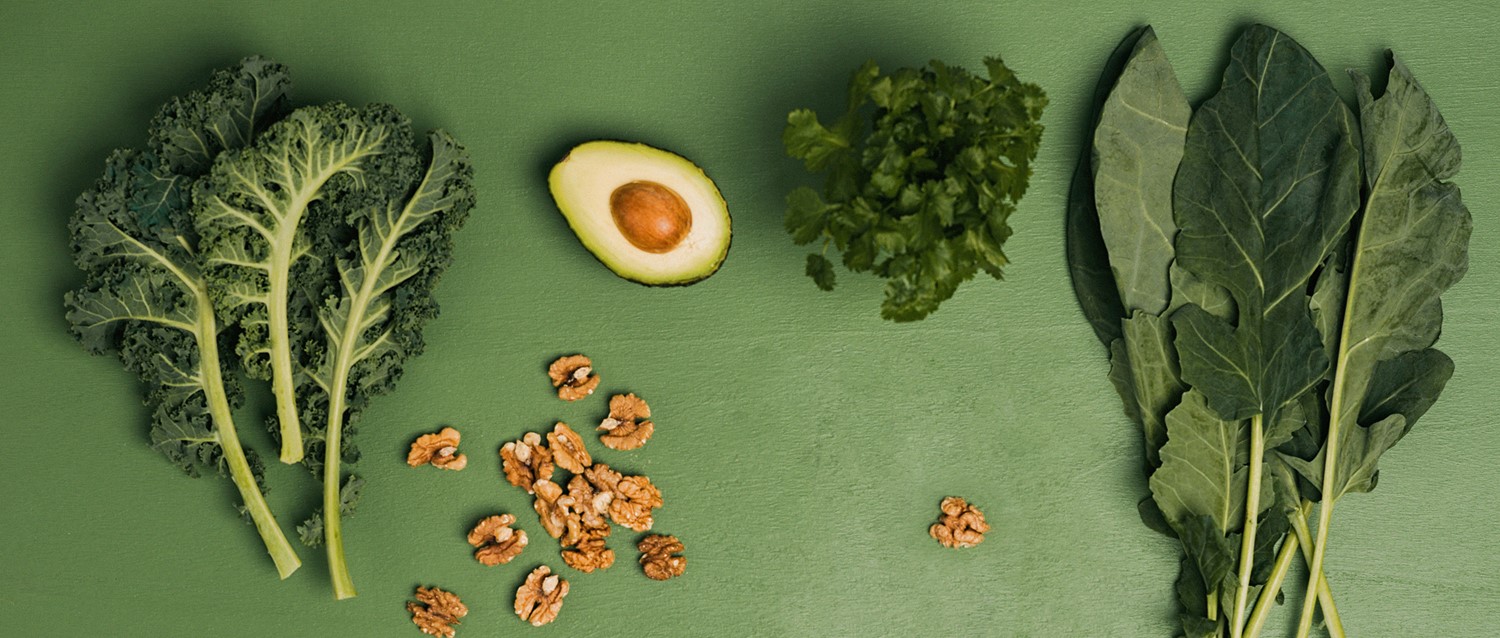
Kost och näring
Ketodieten: vad är det och fungerar det?
Lågkolhydratplaner blir alltmer etablerade i näringsvärlden, men vad sägs om deras mer extrema kusin, ketogen diet? Hyllad av Hollywood-kändisar för att bränna fett, minska aptiten och hantera blodsockret, är den verkligen allt den påstås vara? Och vad sägs om riskerna?
av Dr Carrie Ruxton, PhD, Barnnutrition
Om författarenVisa fullständig biografi
Författad av

Dr Sarah Jarvis
Klinisk konsult
MA (Cantab), BM, BCh (Oxon), DRCOG, FRCGP, MBE
Efter att ha utbildat sig i medicin vid Cambridge och Oxford blev Dr Sarah Jarvis MBE allmänläkare.
Om recensentenVisa fullständig biografi

Dr Colin Tidy, MRCGP
Allmänläkare, Medicinsk Författare
MBBS, MRCGP, MRCP (Paediatrics), DCH
Dr Colin Tidy är en NHS-läkare, baserad i Oxfordshire.
Artikelhistorik
Artikeln finns också på Engelska, Tyska, Spanska, Franska, Italienska, Portugisiska, Hindi, Hebreiska, Arabiska, och Svenska.
30 Sept 2020 | Ursprungligen publicerad
Författad av:
Dr Sarah JarvisGranskad av
Dr Colin Tidy, MRCGP
Dela dina tankar eller erfarenheter med andra i vår patientgemenskaper.
Anmäl dig till Patientens nyhetsbrev
Din veckovisa dos av tydliga, pålitliga hälsoråd - skrivna för att hjälpa dig känna dig informerad, självsäker och i kontroll.
Genom att prenumerera accepterar du våra Sekretesspolicy. Du kan avsluta prenumerationen när som helst. Vi säljer aldrig dina uppgifter.