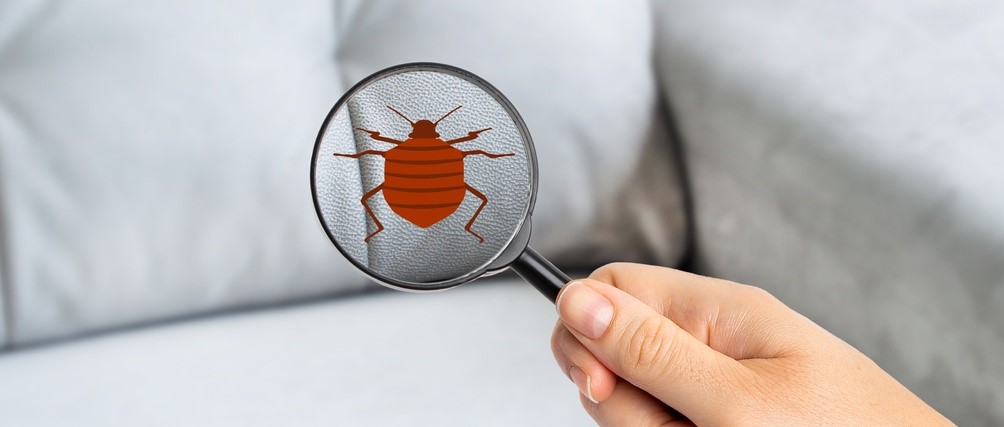
How to spot bedbugs and get rid of them
Peer reviewed by Dr Colin Tidy, MRCGPAuthored by Lydia SmithOriginally published 10 Oct 2023
Meets Patient’s editorial guidelines
- DownloadDownload
- Share
- Language
- Discussion
- Audio Version
- Add to preferred sources on Google
An infestation of bedbugs in France has led to concerns that the insects will find their way to the UK. Unfortunately, bedbugs are pretty common - but there are steps you can take to keep them out of your bedroom. Here we look at how you can tell if you have bedbugs, and what to do about it if you do.
What are the signs of bedbugs?
Bedbugs are small insects that live on furniture or bedding - and can be found on mattresses, clothing or bed frames. Although their bites are often itchy, they tend not to cause any other health issues.
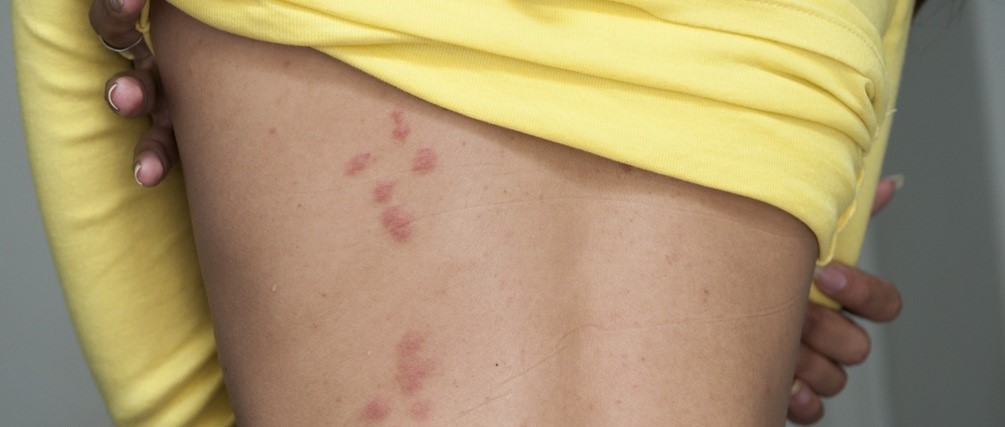
The signs of bedbugs include bites on your skin which are raised and itchy. They may appear red or purple, depending on your skin tone. Often the bites appear in groups or lines.
You might see spots of blood on your bedding, either from the bites or from squashing a bedbug. Sometimes, infestations may be accompanied by a musty smell.
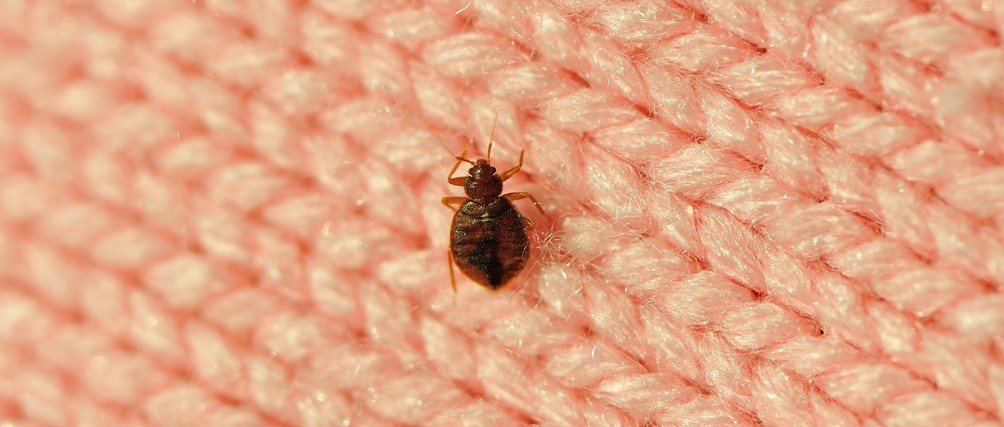
There might also be bedbug poo on your bedding, which looks like tiny brown spots.
Some people have a reaction to the bites. They can be very itchy and there may be swelling. A severe allergic reaction (anaphylaxis) is rare but possible - signs include itchy skin rashes, trouble breathing, wheezing, swollen lips, vomiting and stomach pains. This is a medical emergency and you should get help straightaway.
What does a bedbug look like?
How to treat bedbug bites
Bedbug bites usually clear up on their own in a week or so. You should try not to scratch them and to keep them clean to avoid getting an infection. You can soothe them with a cool, damp cloth if they are sore or itchy.
You can get a mild steroid cream or antihistamines from your pharmacy to reduce itching or swelling.
If the redness or swelling isn’t going away or is spreading, you may have an infection and you should see your doctor.
What does a bedbug bite look like?
How to get rid of bedbugs
To get rid of bedbugs, you should wash your bedding and clothing on a hot wash at 60C. You can also buy special detergent that is designed to kill bedbugs - but it may not be suitable for people with sensitive skin.
You could also use a handheld steamer on mattresses, sofas, and other places where bedbugs hide.
Deep cleaning your mattress regularly will allow you to spot bedbugs, so you can get rid of them before they spread. Check all areas of your bedroom or affected room for signs of bedbugs, including the walls, wallpaper, curtains, cushions and furniture.
Cleaning and vacuuming regularly will also keep bedbugs at bay. Insecticide sprays can also be used to kill the bugs.
Patient picks for Other infections

Infections
Do you need to worry about tick-borne encephalitis?
Public Health England (PHE) has released findings that tick-borne encephalitis virus has been detected for the first time in the UK. But do you need to worry?
by Milly Evans

Infections
Strep A: What is invasive Group A streptococcus?
Parents have been warned by health officials to be aware of the infections strep A can cause, after the deaths of several children in the UK from it. While most people don't become very ill, the highly contagious bacteria that causes the infection can cause serious illness and can be fatal.
by Lydia Smith
About the authorView full bio

Lydia Smith
Feature writer
BA, MA, MSc
Lydia Smith is an award-winning journalist and feature writer who has written extensively on women's health and mental health. She is currently studying for an MSc in psychology.
About the reviewerView full bio

Dr Colin Tidy, MRCGP
General Practitioner, Medical Author
MBBS, MRCGP, MRCP (Paediatrics), DCH
Dr Colin Tidy is an NHS Doctor, based in Oxfordshire.
Article history
Article also available in English, German, Spanish, French, Italian, Portuguese, Hindi, Hebrew, Arabic, and Swedish.
10 Oct 2023 | Originally published
Authored by:
Lydia SmithPeer reviewed by
Dr Colin Tidy, MRCGP
Join the conversation
Share your thoughts or experiences with others in our patient communities.

Ask, share, connect.
Browse discussions, ask questions, and share experiences across hundreds of health topics.

Feeling unwell?
Assess your symptoms online for free
Sign up to the Patient newsletter
Your weekly dose of clear, trustworthy health advice - written to help you feel informed, confident and in control.
By subscribing you accept our Privacy Policy. You can unsubscribe at any time. We never sell your data.
More in infections
- A chlamydia vaccine has passed initial safety tests
- Do you need the meningitis vaccine?
- Do you need to worry about tick-borne encephalitis?
- How to avoid tummy bugs
- Incontinence chart
- Is it safe to have the flu jab when you're pregnant?
- Pee yourself laughing? How stand-up comedy can tackle incontinence
- Safeguarding your sexual health at university
- Shingles myths you should stop believing
- Should all children have the flu vaccine?
- Video: What are the different types of STI?
- We ask a GP what to expect after vaccinations
- What are universities doing to support student sexual health?
- What side effects are associated with the yellow fever vaccine?
- What your pee says about your health
- Where does a fear of vaccines come from?
- Where to get your flu jab this year
- Why isn't the chickenpox vaccine available on the NHS?
- Why wasn't I prescribed antibiotics?
- Will a UTI go away on its own?