Do shrinking fashion sizes promote anorexia?
Peer reviewed by Dr Sarah JarvisAuthored by Danny ChadburnOriginally published 21 Sept 2017
Meets Patient’s editorial guidelines
- DownloadDownload
- Share
- Language
- Discussion
- Audio Version
- Add to preferred sources on Google
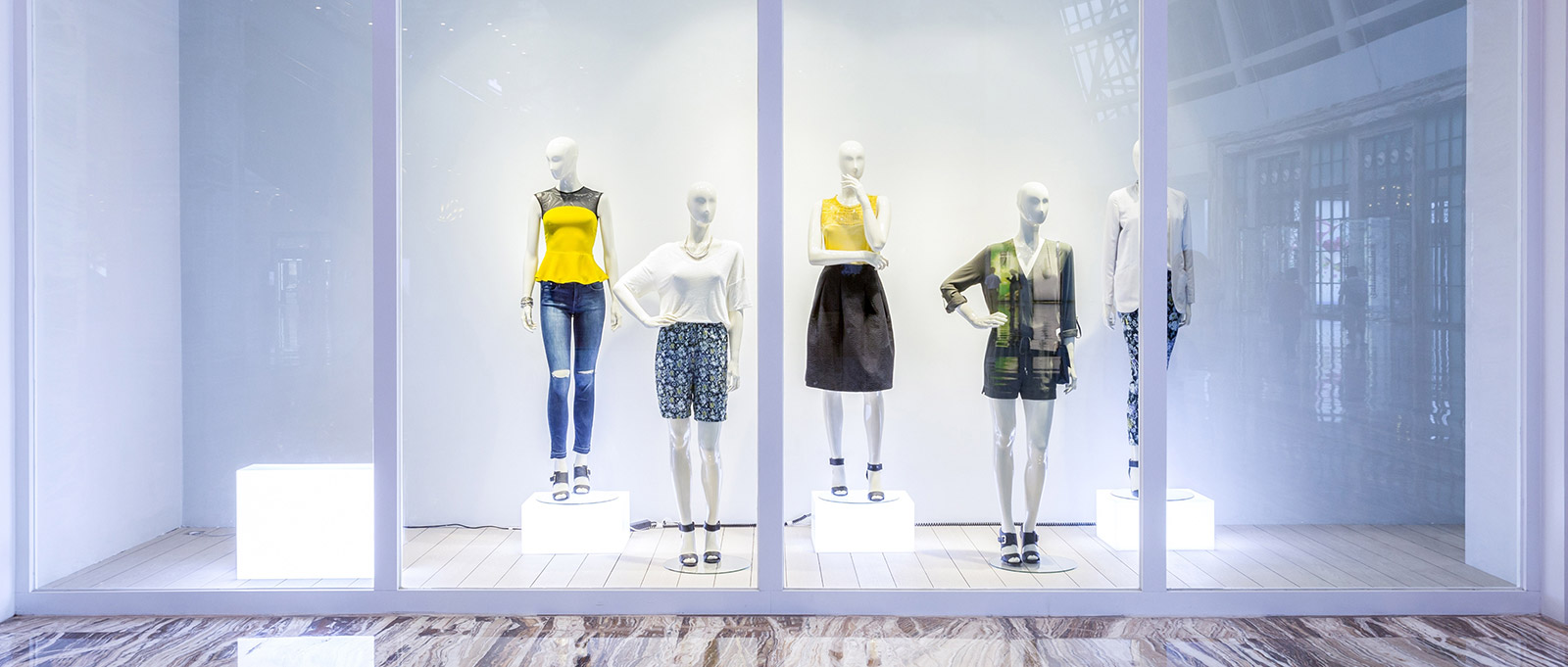
Shop mannequins and dress sizes seem slimmer and smaller than ever before - but do they really skew our perception of 'normal' body shapes and fuel eating disorders? We take a look at the main issues surrounding the debate.
Mental health support for adults and children
Online CBT and psychological therapy for adults and children aged 8–17. Onebright’s accredited clinicians support people experiencing anxiety, depression and other emotional challenges.
Ever-decreasing sizing
In 2006, the fashion world was hit by the size zero controversy, sparked by the death of 22-year-old catwalk model Luisel Ramos during Uruguay's fashion week. She reportedly ate nothing but lettuce leaves for months. This led to calls for a complete ban on size zero models, referring to the American dress size 0 - a UK size 4.
In the past ten years, the sizing issue has moved onto the high street. Some US clothing brands available in this country, such as Abercrombie & Fitch, now sell clothes in a triple zero - size 000. This equates to a UK size 0, which is eight sizes smaller than the average size 16 British woman. Most clothes sizing charts would mark 000, a waist size of 23 inches, as appropriate for an eight-year-old girl.
Meanwhile, some continental labels have sizes once considered slim now sitting at the bigger end of their sizing. For example, Spanish brand Zara's measurements for UK size 12 are the same as their L, or large.
Super-skinny mannequins
High street fashion chain Topshop hit the headlines in 2017 when social media users complained about their 'emaciated looking' shop dummies. This was despite the brand's promise to review their skinny mannequin design in 2015. Other high street brands such as Oasis and New Look have come under similar criticism in recent years.
The problem may seem superficial, but one study published in the Journal of Eating Disorders found that the bodies of female shop mannequins were both 'unrealistic' and 'considered medically unhealthy'. Researchers from Liverpool University looked at the displays in female fashion shops in two UK cities and failed to find a single female mannequin that was a 'normal' body size.
The impact on our well-being is obvious. 'There's clear evidence showing that the ultra-thin ideal is contributing to the development of mental health problems and eating disorders,' concluded the study's author Dr Eric Robinson.
Do fashion trends really trigger eating disorders?
'The suggestion that the fashion industry is the cause of eating disorders oversimplifies the issue,' says a spokesperson for eating disorder charity Beat. 'But we do know the ideals presented within the fashion industry can exacerbate and prolong illness, and we would encourage the promotion of healthier body images and ideals in this area.'
In 2012, another study focusing on this debate found that women would be less obsessed with being thin if more healthy weight models were used in advertising. Researchers at Durham University found showing women images of slim models simply increased their preference for thin bodies.
But those who habitually preferred thin body shapes were significantly less keen on them after they'd been shown pictures of plus-size models. Report author psychologist Dr Lynda Boothroyd wrote, 'Our findings certainly indicate that showing more 'normal' models could potentially reduce women's obsession for thinness.'
What are retailers doing to tackle the issue?
While Dove's iconic Real Beauty campaign - begun in 2004 - starred women of all shapes and sizes, and brands such as Activia have created ads calling on women to celebrate their differences. The fashion world has been slower to catch up.
In 2013, Debenhams introduced size 16 mannequins to their stores and used more diverse models, in both age and size, in their advertising. Some plus-size models have also been used in marketing campaigns and on the catwalk by brands including Ralph Lauren and Michael Kors. In 2017, online clothing store ASOS stopped airbrushing models, so imperfections such as stretch marks could be seen.
But the vast majority of big retailers still use skinny models and mannequins. And many critics believe the occasional use of plus-size models by some brands is just publicity stunts. It seems there's still a long way to go until skinny is no longer seen as the norm - either on the catwalk or the high street.
Ways to avoid the clothes-size trap
Try cutting out labels. It may sound simplistic but it's a trick that many people recovering from eating disorders have found works, as it stops you focusing on what size a garment is.
Don't sweat sizing discrepancies. Keep in mind that different brands vary hugely, so a 12 in one shop could be a 16 in another. Don't let the number affect how you feel about your body - it's often nothing to do with your personal shape.
Spend less time with celebrity magazines, Instagram and reality shows. Exposure to extreme body shapes can negatively influence your own body image, without you even realising. Seek out more meaningful forms of beauty in music, books or art.
Patient picks for Eating disorders
Mental health
How common is binge eating disorder and how does it affect people?
Millions of people around the world have eating disorders. Despite binge eating disorder being one of the most common, it isn't given the same attention as some other eating disorders (EDs). However, binge eating disorder can cause severe health issues. If you are struggling, you should reach out to professionals who can help.
by Emily Jane Bashforth

Mental health
How to help a friend with an eating disorder
Trying to talk to someone you suspect has an eating disorder can be a daunting prospect. But this tricky conversation can be an essential first step to getting them the specialist support they need. Once they have confided in you, there's a lot you can do to support them too.
by Danny Chadburn
About the author
Authored by

Danny Chadburn
Head of Content
Danny was the previous Head of Content at Patient.
About the reviewerView full bio

Dr Sarah Jarvis
Clinical Consultant
MA (Cantab), BM, BCh (Oxon), DRCOG, FRCGP, MBE
After training in medicine at Cambridge and Oxford, Dr Sarah Jarvis MBE became a GP.
Join the conversation
Share your thoughts or experiences with others in our patient communities.

Ask, share, connect.
Browse discussions, ask questions, and share experiences across hundreds of health topics.

Feeling unwell?
Assess your symptoms online for free
Sign up to the Patient newsletter
Your weekly dose of clear, trustworthy health advice - written to help you feel informed, confident and in control.
By subscribing you accept our Privacy Policy. You can unsubscribe at any time. We never sell your data.