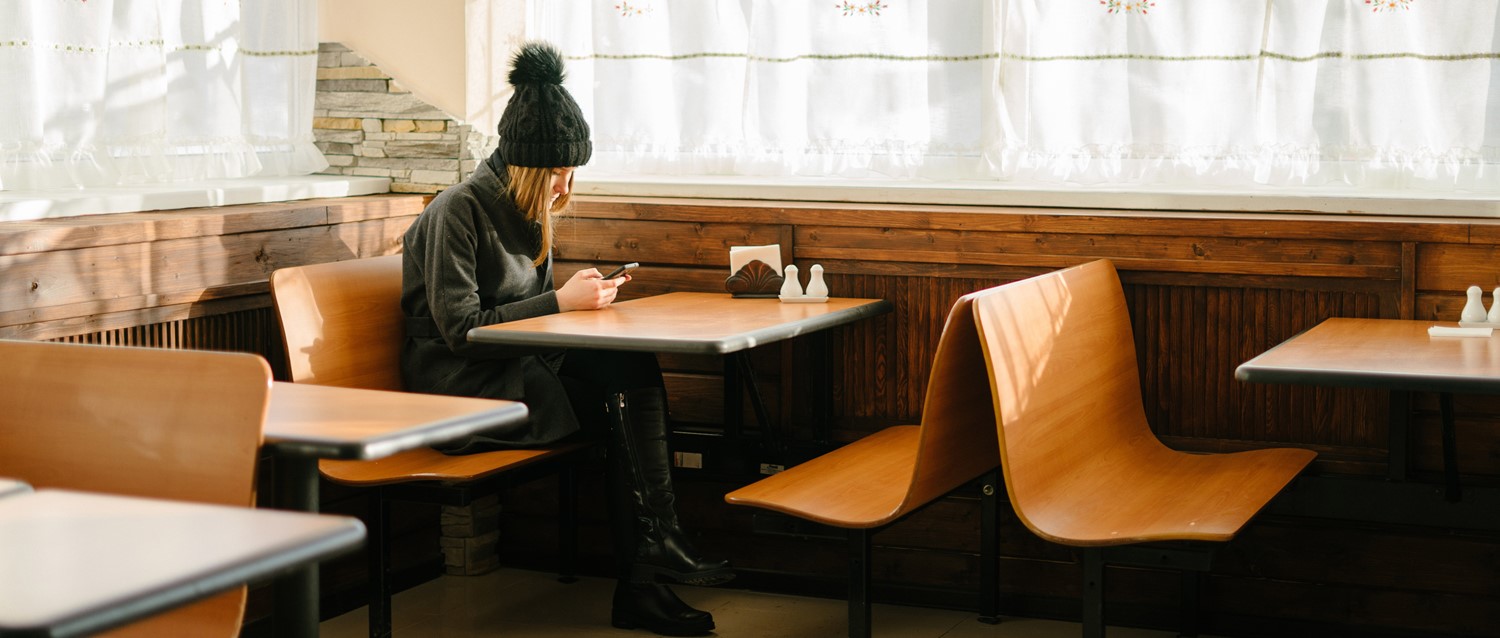
Gör sociala medier oss deprimerade?
Granskad av Dr Sarah JarvisFörfattad av Danny ChadburnUrsprungligen publicerad 21 sept 2017
Uppfyller patientens redaktionella riktlinjer
- Ladda nerLadda ner
- Dela
- Language
- Diskussion
- Ask Patient
- Ljudversion
- Lägg till i föredragna källor på Google
In the last 10 years, social media platforms from Facebook and Twitter to Instagram and Snapchat have changed the way we communicate with and relate to each other, but a growing amount of research suggests this has had a negative effect on our mental health.
Stöd för psykisk hälsa för vuxna och barn
Online-KBT och psykologisk terapi för vuxna och barn i åldern 8–17 år. Onebrights ackrediterade kliniker hjälper personer som upplever ångest, depression och andra känslomässiga utmaningar.
Several studies have now linked the use of social networks with ångest och depression, while researchers from the University of Pittsburgh discovered that the more different platforms people use, the higher their risk of mental health issues.
"Using social media can be hard on your self-esteem," says psychologist Emma Kenny. "It's easy to look at people's lives on Facebook or Instagram and compare them to your own. It may seem as though others are happier, more attractive, more successful or more popular, which can lead to feelings of inadequacy and loneliness."
One survey by a mothers' meet-up app found 'mummy bloggers' posting about their apparently perfect lives and children, made other mothers feel depressed and inadequate. Seeing someone's photos get more Likes than yours can also make you feel less popular, jealous, or worthless.
The negatives and positives of social media
Social media can be particularly painful when personal sensitivities are triggered. For example, if you're reluctantly childless, new baby photos or back-to-school pictures can be upsetting and remind you of what you don't have. Seeing Mother's Day and Father's Day celebrations on friends' feeds can also be distressing if you've lost a parent.
This advertising has always been there but because we interact with social media on a much deeper level than we ever did with television or magazines, it can feel as though there's no escape from our triggers.
Getting drawn into a political or controversial discussion isn't just distracting - it can leave you feeling isolated and, in the worst-case scenario, bullied too. "In comments threads, people can say very harsh, judgemental things they'd never say to your face," says Kenny. "If people turn against you on social media, it can leave you feeling attacked and vulnerable." The problem of online bullying is now so bad, there's actually legislation to stop 'trolls' creating derogatory hashtags or photos that humiliate other people.
Using social media sites has also been linked with loneliness. You may fall into the trap of staying in touch online rather than speaking to or seeing friends. So although you feel as though you're keeping in contact, Kenny warns that the quality of connection isn't the same.
That's not to say social media can't have a positive effect; some research has found social networking can be very beneficial. For example, a study by the University of South Florida on the over-50s found using the Internet to connect with friends and family could actually strengthen social bonds. As well as reconnecting you with people you haven't seen for a long time, social media sites can make it easier to arrange get-togethers or create events to bring different groups of friends together.
Happier social networking
Remember what you see isn't always reality. Most people put up their most flattering photos - often edited - and only share the positives in their lives, which can give you a skewed idea of what's really going on.
Be authentic. "Share day-to-day struggles and less-than-flattering pictures of yourself. This will open up honest discussions and encourage your friends to be more realistic too," says Kenny.
Hide when you need to. Feeling vulnerable? "Give yourself a digital detox and don’t look at social media for a while - this can be very liberating," says Kenny.
Keep it light. Unless you enjoy a juicy debate, focus on the happy and the humorous: cat videos and clever cartoons fall into this category.
Filter your friends. If you've had a recent heartbreak, consider cutting contact with your ex on social media - seeing glimpses of what they're doing can prolong the agony. Similarly, if your friend is pregnant while you're struggling with infertility, or your cousin is getting married when you've just been through a painful divorce, unfollow their posts for a while. They won't know and it could make things easier for you.
Use sites and apps for real-life get-togethers. See social media as a tool for making and strengthening connections, rather than a way of connecting in itself. Apps like Meetup were designed to facilitate real-life meetings of like-minded people, while others were created to help you find events to attend, such as Bandsintown for music.
Patientval för Depression
Mentalt välbefinnande
Hur en kronisk sjukdom påverkar din mentala hälsa
Living with a chronic illness can be debilitating; both physically and mentally. The toll it can take on your body is bound to affect your ability to cope with psychological and emotional stress. Not only can a chronic illness make it impossible to do the things you enjoy, it can also rob you of a sense of hope for the future.
av Sara Lindberg
Mentalt välbefinnande
Vad ska jag göra om jag känner mig självmordsbenägen?
Although suicidal thoughts are frightening and hard to cope with, they are also common. Mind estimates that one in five people will experience them during the course of a lifetime. Experts and people who have recovered from depression discuss how to cope in a crisis.
av Ellie Broughton
Om författaren
Författad av

Danny Chadburn
Innehållschef
Danny var tidigare innehållschef på Patient.
Om recensentenVisa fullständig biografi

Dr Sarah Jarvis
Klinisk konsult
MA (Cantab), BM, BCh (Oxon), DRCOG, FRCGP, MBE
Efter att ha utbildat sig i medicin vid Cambridge och Oxford blev Dr Sarah Jarvis MBE allmänläkare.
Artikelhistorik
Artikeln finns också på Engelska, Tyska, Spanska, Franska, Italienska, Portugisiska, Hindi, Hebreiska, Arabiska, och Svenska.
21 sept 2017 | Ursprungligen publicerad
Författad av:
Danny Chadburn
Granskad av
Dr Sarah Jarvis
Dela dina tankar eller erfarenheter med andra i vår patientgemenskaper.
Enkel tillgång till pålitliga behandlingar och hälsotjänster online.
Common conditions
Get help with common conditions through the NHS, without a GP appointment.





Anmäl dig till Patientens nyhetsbrev
Din veckovisa dos av tydliga, pålitliga hälsoråd - skrivna för att hjälpa dig känna dig informerad, självsäker och i kontroll.
Genom att prenumerera accepterar du våra Sekretesspolicy. Du kan avsluta prenumerationen när som helst. Vi säljer aldrig dina uppgifter.