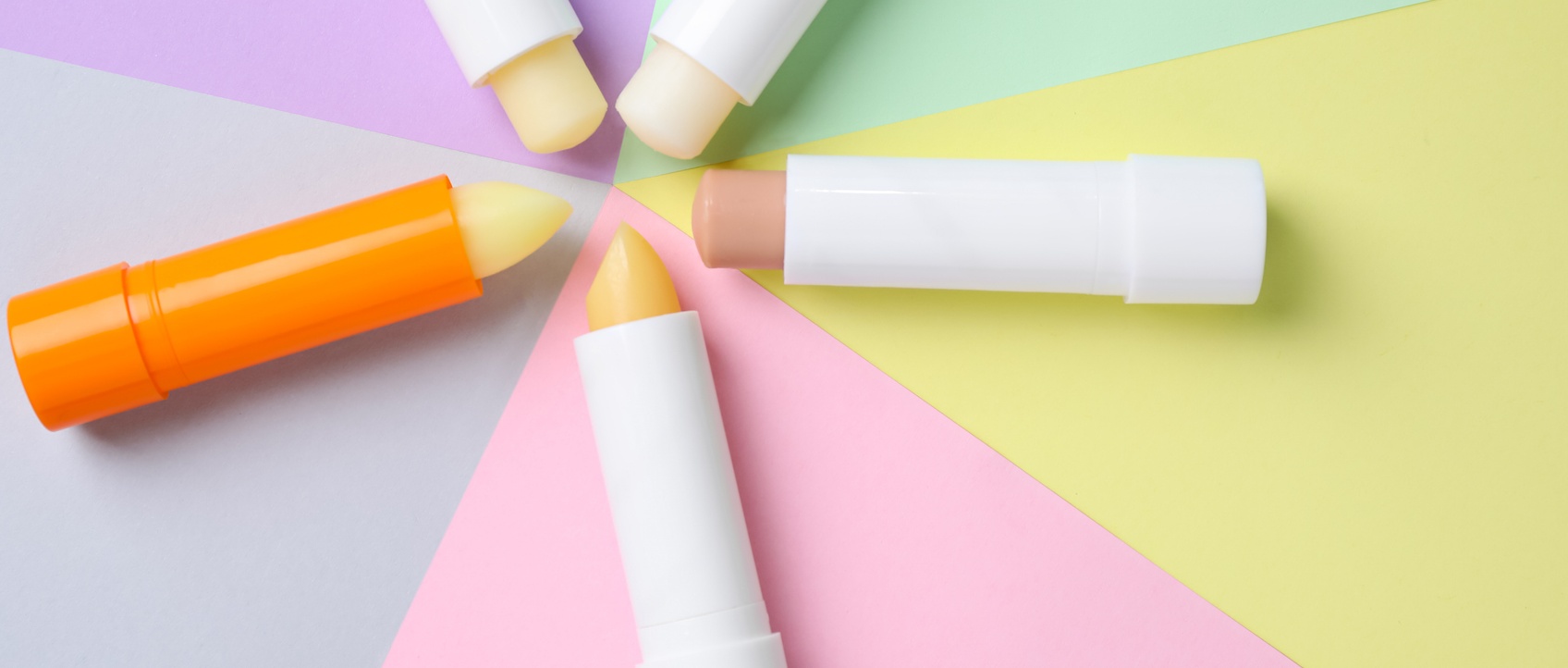
How to take care of chapped lips this winter
Peer reviewed by Dr Colin Tidy, MRCGPLast updated by Victoria RawLast updated 16 Oct 2025
Meets Patient’s editorial guidelines
- DownloadDownload
- Share
- Language
- Discussion
- Audio Version
- Add to preferred sources on Google
The winter months can wreak havoc on our lips, leaving them dry, flaky and sore. So why does this time of year cause chapped lips - and is there anything we can do to prevent them?
Why do we get chapped lips?
The skin on our lips has three to five cellular layers, compared to typical facial skin, which has up to 16 layers. The lips also lack the oil glands found in other parts of the skin. Therefore, as the weather gets colder and there is less humidity, the outdoor air combined with the indoor central heating can dehydrate our skin and cause lips to crack, peel and bleed - a condition known as cheilitis simplex.
Dermatologist Dr Anton Alexandroff explains: "Cold and windy weather can have negative effects on our skin. The winter weather can strip it of moisture, causing the skin to become dry, chapped and prone to flaking.
"Our lips are particularly vulnerable to this, as they are so often exposed to the elements. The skin is also thinner here, than on other parts of our body."
What else can cause chapped lips in winter?
The weather isn't always the cause of sore lips, however. Daniel Glass, Consultant Dermatologist, The Dermatology Clinic, London says that chapped lips can be caused by a number of factors - such as eczema or contact allergic dermatitis.
"Sometimes infections such as candida or staphylococcus can cause inflammation of the corner of the lips - as can iron or vitamin B deficiency," he explains. "The initial infection with the herpes or cold sore virus can result in eroded, scaly skin on the lips."
Coeliac disease can also lead to inflammation of the corners of the mouth, which can be mistaken for chapping. Certain drugs can cause dry chapped lips - most commonly retinoids, such as isotretinoin used in acne treatment. If you already struggle with dry lips, cold and wintry weather can make the issue worse.
How to treat chapped lips
Dr Alexandroff says you should moisturise your lips regularly, reapplying throughout the day and before bed.
He adds: "It's also important to make sure that you stay hydrated by drinking plenty of water."
Dry lips can also be helped by gentle exfoliation to ensure you are removing any dry flaky skin from the surface of your lips. Although this won't address the problem, it may help to reduce the scale sitting on the surface of the lips.
Small lifestyle changes may also reduce your chance of developing chapped lips:
Wash your hands before applying lip balm.
Resist the urge to pick or bite any flaky skin - doing so can slow down the healing process.
Avoid licking dry or cracked lips - this can make them more sore.
Bear in mind that some foods may irritate sore lips - such as spicy meals.
Wear a scarf over your mouth to protect the delicate skin on your lips - if going out into the wind and cold.
If you forget your balm while out with friends, don't share theirs - as tempting as it might be, this can spread germs.
Check the ingredients in your lip balm
Although many of us tend to have a range of different lip balms stashed away in our coat pockets, bags, and bedside tables, it's important to make sure you are using the right balm to avoid making your lips more sore.
Dr Daron Seukeran, Group Medical Director for the skincare clinic group sk:n explains: "There can be ingredients in some lip balms that may cause eczematous dermatitis which can affect the lips and the skin surrounding the lips."
Some lip balms contain ingredients that can potentially cause an allergic reaction.
These include:
Propolis.
Lanolin.
Coconut oil.
Almond oil.
Peppermint oil.
Vitamin E.
These ingredients can also make the lips drier:
Menthol phenol.
Salicylic acid.
To combat dry lips, look out for ingredients to help lock in moisture:
Occlusive.
Emollient.
Humectant.
"The best advice is to keep it simple," says Seukeran. "Many people like using a nice smelling or tasting lip balm, but it is best to use a non-fragranced lip balm as a moisturiser which also contains a sun protection ingredient."
Professor Vishal Madan, Clinical Director, Everything Skin Clinic, UK says bland emollients such as Vaseline can be good, as the likelihood of allergies with these are rare. He also advises looking out for hypoallergenic balms.
"The most important thing when purchasing a lip balm is to make sure that it works for you," he says. "If your lips burn, sting, or feel uncomfortable when you apply a product to your lips, it is irritating your lips. If this is the case, you should stop using this product and try another one."
When to visit your doctor or pharmacist for chapped lips
You should seek medical help if your lips are hot, painful, red and swollen - as it could be a sign of infection. If the chapping is very severe or doesn't heal, it may be a sign of another issue, so it's worth having it checked by a doctor or skin specialist.
If you have a small, fluid-filled blister on your lip or around your mouth, you may have a cold sore. Cold sores should start to heal within 10 days, but are contagious and may be irritating or painful while they heal. Antiviral creams and patches are available from your pharmacist.
Patient picks for Oral health

Treatment and medication
Are facial workouts good for sleep, speech and oral health?
Myofunctional therapy is like a workout for your face and mouth. It's said it can help ease conditions such as sleep apnoea, swallowing difficulties and jaw misalignment. We look at what this therapy entails and hear some expert thoughts on whether it works or not.
by Victoria Raw
Oral and dental care
What your teeth say about your health
Most of us know the importance of looking after our teeth. Twice daily brushing, flossing, and good dental hygiene can help to keep our smile fresh, with little need for expensive dental work. But did you know that tooth issues can also indicate issues in the rest of the body?
by Lynn Stephen
About the authorView full bio

Lydia Smith
Feature writer
BA, MA, MSc
Lydia Smith is an award-winning journalist and feature writer who has written extensively on women's health and mental health. She is currently studying for an MSc in psychology.
About the reviewerView full bio

Dr Colin Tidy, MRCGP
General Practitioner, Medical Author
MBBS, MRCGP, MRCP (Paediatrics), DCH
Dr Colin Tidy is an NHS Doctor, based in Oxfordshire.
Article history
Article also available in English, German, Spanish, French, Italian, Portuguese, Hindi, Hebrew, Arabic, and Swedish.
Next review due: 15 Oct 2028
16 Oct 2025 | Latest version
18 Dec 2023 | Originally published
Authored by:
Lydia Smith
Join the conversation
Share your thoughts or experiences with others in our patient communities.

Ask, share, connect.
Browse discussions, ask questions, and share experiences across hundreds of health topics.

Feeling unwell?
Assess your symptoms online for free
Sign up to the Patient newsletter
Your weekly dose of clear, trustworthy health advice - written to help you feel informed, confident and in control.
By subscribing you accept our Privacy Policy. You can unsubscribe at any time. We never sell your data.
More in oral and dental care
- Are facial workouts good for sleep, speech and oral health?
- How long will a mouth ulcer take to heal?
- How to brush and care for your child's teeth
- How to get over your fear of the dentist
- How to spot the signs of a dead tooth
- How your teeth can affect your self-esteem
- Is teeth whitening safe?
- Scientists may have found a way to regrow tooth enamel
- Should you clean your tongue every day?
- Surprising facts everyone should know about cold sores
- The best snacks for healthy teeth
- The reasons behind your bad breath
- Things you might not know about cleidocranial dysplasia
- Warning signs you need to go to the dentist
- What causes a lump on the tongue?
- What causes an itchy roof of mouth?
- What causes mouth ulcers and how to treat them
- What to do when you feel a cold sore coming on
- What your teeth say about your health
- What’s causing your morning breath?