How do you know if you have HIV?
Peer reviewed by Dr Sarah JarvisAuthored by Emily Jane BashforthOriginally published 21 Nov 2021
Meets Patient’s editorial guidelines
- DownloadDownload
- Share
- Language
- Discussion
- Audio Version
- Add to preferred sources on Google
While there are symptoms and early warning signs of an HIV infection, the only way to know for sure whether you have the virus is by getting tested. This needn't be a scary process, and it's vital you seek treatment as soon as possible to avoid further complications or infecting others.
How is HIV transmitted?
The most common way of transmitting HIV in the UK is through having anal or vaginal sex without using a condom.
However, Dr Mitra Dutt explains that there are other ways of getting HIV, including sharing needles and syringes, or by transmitting it from mother to baby during pregnancy, birth or breastfeeding.
"HIV itself is found in bodily fluids of the infected person. These fluids include semen, vaginal and anal fluids, blood and breast milk. That said, it cannot be transmitted through sweat, urine or saliva," she says.
"Anyone who has sex without a condom or shares needles is at risk of getting infected with HIV."
What are the symptoms of HIV?
Dr Dutt says most people with HIV experience a short illness with flu-like symptoms. This normally occurs 2-6 weeks after HIV infection and can last for a couple of weeks.
"Once these symptoms eventually disappear, you might not notice any symptoms for many years, even though the virus can continue to damage your immune system.
"This ultimately means that many people with HIV won't realise they're infected, unless they get tested for it," she explains.
Other symptoms of HIV besides flu include:
Feeling constantly tired.
Headaches.
Swollen lymph nodes around the neck and groin.
Skin rashes.
When should you get tested for HIV?
If you think you have been exposed to HIV, it's important to seek medical advice and to get tested as soon as possible.
Dr Dutt stresses that the only way to find out if you have HIV is to get tested, and an early diagnosis means you can access treatment sooner. This in turn can dramatically reduce your risk of becoming severely ill and passing the virus on to others.
If you start taking post-exposure prophylaxis (PEP) within 72 hours of exposure to the virus, you may be able to prevent infection altogether. PEP involves taking HIV treatment every day for one month.
There is also PrEP, which stands for pre-exposure prophylaxis - a daily pill that can protect you from HIV. With this medication, you can have a normal sexual relationship with an HIV-positive partner with reduced fear of becoming infected yourself.
Regardless of whether you test negative or positive, you may need to repeat the test between one and three months of being exposed to HIV, but you shouldn't wait this long to seek treatment.
Putting off getting tested and leaving HIV untreated can cause you to develop AIDS, which may lead to death.
What is the testing process like?
You can get tested for HIV at your GP surgery, clinics run by charities such as the Terrence Higgins Trust and sexual health clinics too.
You can also do home tests which are discreet and easy to use.
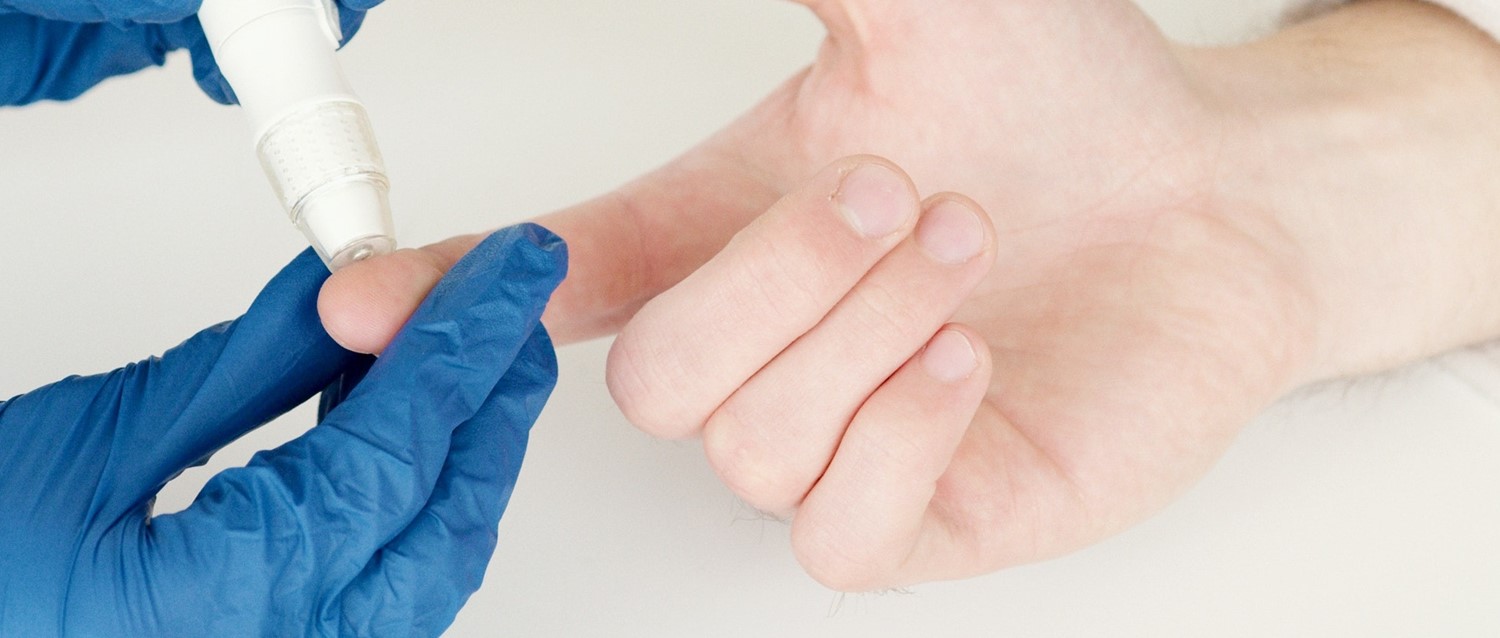
Many clinics offer finger-prick blood tests, but home testing kits vary. You may be directed to take a swab from your vagina or throat, give a urine sample, or give a finger-prick blood sample.
Dr Dutt assures that none of the tests should hurt and they should not take long to carry out. They can be done privately in your home or with a professional, depending on what's comfortable for you.
Depending on the type of test, results can take a few minutes, or a few days to come back. If your first test is positive, a second blood test will need to be carried out to confirm the result.
If your test comes back positive, you'll be referred to a specialist HIV clinic for some more tests and a discussion about your treatment options.
Can you still live a healthy life with HIV?
Thanks to advances in research and medicine, medication is available that allows you to manage an HIV diagnosis on a daily basis.
"Antiretroviral medicines come in the form of daily tablets that work by stopping the virus from replicating inside your body. This allows your immune system to repair itself and prevent further damage. That said, HIV can easily become resistant to a single form of medication, which is why most HIV-positive people take a combination of medications," says Dr Dutt.
Without treatment, your immune system can become extremely damaged. This makes you more susceptible to life-threatening illnesses, such as cancer and other severe infections.
"However, someone with HIV who is taking effective treatment can definitely live a healthy life," Dr Dutt says.
"The goal of medication is to get the level of the virus in your body so low that it's undetectable by a test. With effective treatment, you will also significantly reduce your risk of passing HIV on to others."
In fact, if your virus levels are undetectable on treatment, there is no risk of passing on the virus through sex - as the undetectable = untransmittable (U=U) campaign has sought to highlight.
HIV is a long-term illness and it can affect your life. Dr Dutt explains how those with HIV cannot donate blood or organs, join the armed forces, or visit certain countries. You may also struggle getting life insurance to cover a mortgage loan (although life insurance isn't compulsory when taking out a mortgage).
Where can you find support as you manage a long-term condition like HIV?
Being diagnosed with HIV can lead to feelings of anxiety and depression, as it can be very difficult news to take in. There is still a lot of shame and stigma surrounding HIV. Stereotypes from the 1980s about HIV and AIDS being a death sentence often prevent people from getting tested our of fear. Depression is actually twice as common in people with HIV; however, help is available and you don't have to face this by yourself.
Counselling and psychotherapy can help you to understand underlying issues and make longer-term changes to shift your perspective on life. Your GP will be able to help you find a trained counsellor or psychologist to talk to. You may also benefit from antidepressants or anti-anxiety medication, which your doctor can prescribe.
Alternatively, there are specialist helplines designed to help people with HIV.
Patient picks for HIV and AIDS

Sexual health
Can you live a long, healthy life with HIV?
An HIV diagnosis was once renowned as a death sentence. However, advances in scientific research and medicine mean it is now possible to manage HIV on a daily basis without passing it on to others. In fact, it was only in 2019 when the oldest known person with HIV died. Miguel - known as The Lisbon Patient - was a Portuguese man who was diagnosed with HIV at the age of 84. He lived to the age of 100.
by Emily Jane Bashforth
Sexual health
Dispelling common myths about HIV and AIDS
Despite the progress that has been made in managing HIV, on this World AIDS day 2022, there are still pervasive misconceptions surrounding the virus and AIDS. It's really important that these harmful ideas be dismantled to encourage people to get tested and to ensure those who are HIV-positive can access quality care.
by Lawrence Higgins
About the authorView full bio

Emily Jane Bashforth
Feature Writer
NCTJ
Emily is a Feature Writer with Patient, writing articles on a variety of topics relating to health and well-being.
About the reviewerView full bio

Dr Sarah Jarvis
Clinical Consultant
MA (Cantab), BM, BCh (Oxon), DRCOG, FRCGP, MBE
After training in medicine at Cambridge and Oxford, Dr Sarah Jarvis MBE became a GP.
Article history
Article also available in English, German, Spanish, French, Italian, Portuguese, Hindi, Hebrew, Arabic, and Swedish.
21 Nov 2021 | Originally published
Authored by:
Emily Jane BashforthPeer reviewed by
Dr Sarah Jarvis
Join the conversation
Share your thoughts or experiences with others in our patient communities.

Ask, share, connect.
Browse discussions, ask questions, and share experiences across hundreds of health topics.

Feeling unwell?
Assess your symptoms online for free
Sign up to the Patient newsletter
Your weekly dose of clear, trustworthy health advice - written to help you feel informed, confident and in control.
By subscribing you accept our Privacy Policy. You can unsubscribe at any time. We never sell your data.
More in sexual health
- Are erection problems getting more common in young men?
- Can men get thrush?
- Can you live a long, healthy life with HIV?
- Can your diet and lifestyle improve fertility?
- Dispelling common myths about HIV and AIDS
- Do anabolic steroids cause infertility?
- Do contraceptive pills change your behaviour?
- Fertility diet: what to eat when you're trying to get pregnant
- First long-acting injectable HIV treatment approved
- How an underactive thyroid affects fertility
- How to cope with a genital herpes diagnosis
- How your lifestyle may be a cause of low sperm count
- Safeguarding your sexual health at university
- Secret shoppers: Are women given the best contraception advice?
- Should you avoid the pill if you get migraines?
- What to expect when you take the morning after pill
- Which types of condoms are best for preventing pregnancy?
- Why is sexual violence against men on the rise?
- Why regular STI checks are so important
- World AIDS Day: Where are we now with HIV?