
Hiccups: a guide to common causes and quick relief
Peer reviewed by Dr Colin Tidy, MRCGPLast updated by Victoria RawLast updated 1 Apr 2026
Meets Patient’s editorial guidelines
- DownloadDownload
- Share
- Language
- Discussion
- Audio Version
- Add to preferred sources on Google
Although hiccups might seem funny when you’re watching someone else have them, they can be a nuisance for the person affected. In this article, we’ll explore what causes hiccups, how to prevent them, and effective ways to get rid of them when they strike.
What are hiccups?
Most of us have had hiccups at some point in our lives. We usually see them as brief annoyances that come and go, rarely pausing to consider why they happen.
Dr Vian Miran, Hola Health, Victoria, Australia, says that for something so widespread, it's surprising how little thought we give to understanding what hiccups are, and how to prevent them. Instead, we often just wait for them to pass and quickly forget about them afterwards.
She describes hiccups as an involuntary contraction of your diaphragm - the muscle that separates your chest from your abdomen and is essential for breathing.
"When your diaphragm contracts unexpectedly due to a spasm in your phrenic nerve - the nerve which controls your diaphragm - air is drawn in through your mouth," Miran explains. "However, this influx of air is suddenly halted by a tightening of your vocal cords, which makes that peculiar 'hic' sound."
What causes hiccups?
Having a sudden bout of hiccups isn't generally something to worry about. However, understanding what causes them can help reduce your likelihood of getting them.
Miran highlights some everyday triggers of hiccups:
Eating and drinking too quickly.
Sudden excitement.
Anxiety and stress.
Swallowing air, drinking fizzy drinks or alcohol, eating spicy foods, and sudden temperature shifts can all induce hiccups.
"In some cases, long-lasting hiccups can be a symptom of underlying conditions, either psychological or physical," says Miran.
She explains that some physical causes could include:
Central nervous system disorders.
Irritation of the vagus and phrenic nerves.
Gastrointestinal issues.
Heart or lung issues.
Post-surgery effects.
Kidney failure (Uremia).
Some psychogenic causes may be:
Stress.
Anxiety.
Sudden excitement.
Fear.
Uncontrollable laughter.
How to stop hiccups
Hiccups usually go away on their own within two to ten minutes. However, according to Miran, a simple technique developed by neuroscientist Andrew Huberman is widely recognised as an effective way to stop hiccups quickly.
The Andrew Huberman method:
Inhale deeply through your nose three times, without exhaling in between.
Then, hold your breath for 15 to 30 seconds and exhale very slowly.
"These pressure changes hyper-excite and then over-relax the phrenic nerve, stopping the spasms that cause hiccups," says Miran.
She adds that several traditional methods are used to stop hiccups, but none are as effective as the above.
"Most hiccup resolution methods attempt to affect your phrenic nerve through indirect interactions," she explains. "For example, a common method of breathing into a bag aims to re-inhale carbon dioxide, thereby adjusting your blood’s carbon dioxide levels and potentially changing your breathing pattern.
"This change can then disrupt the spasms in your phrenic nerve. However, there are a lot of “ifs” in this method."
When should I worry about hiccups?
As mentioned, hiccups typically resolve quickly on their own and usually don't signal any underlying health issues.
However, Miran advises that if your hiccups persist for more than 48 hours, you should talk to your doctor, as this might be a symptom of a more serious cause.
Patient picks for General signs and symptoms

Brain and nerves
What are the symptoms of ADHD and autism (AuDHD)? Signs, differences and overlap
Attention Deficit Hyperactivity Disorder (ADHD) and Autism Spectrum Disorder (ASD) are neurodevelopmental conditions that can often coexist. When both conditions are present, this is sometimes referred to as AuDHD (ADHD and Autism). Though, not a term used by doctors when giving diagnoses, people commonly use it to signify they have both conditions. In this feature, the symptoms of ADHD and autism will be explored separately and then what the combination presents as.
by Dr Rachna Rajput, Psychiatry UK
Cancer
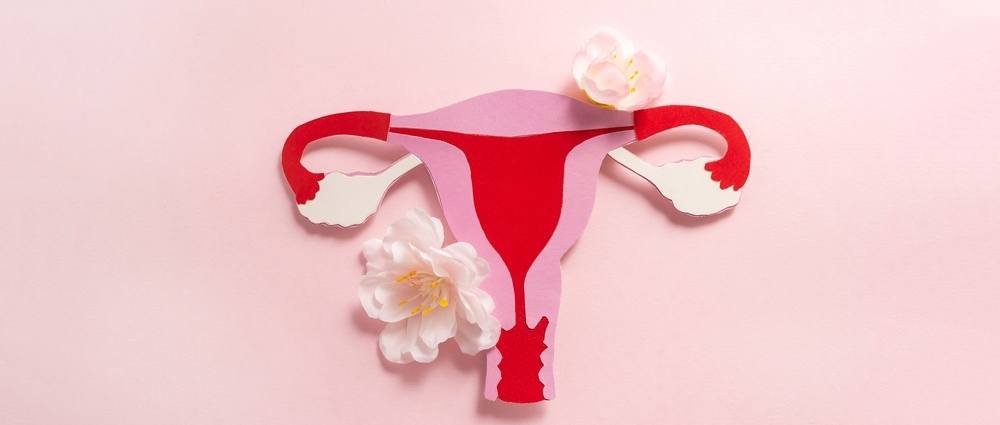
Cervical cancer signs and what to look for
Cervical cancer is one of the most common cancers in women in the UK, with more than 3,000 cases being diagnosed each year. Survival rates for cervical cancer are lower than some other cancers - yet if caught early enough, it is very treatable - with a 95% survival rate for those diagnosed with stage 1 cancer.
by Lynn Stephen
About the authorView full bio
Updated by

Victoria Raw
Feature Writer
BA (Hons), English Literature
Victoria is a content writer at Patient, with special interests spanning mental wellbeing, societal trends and the impact of technology on our health.
Authored by
Victoria Raw
Feature Writer
BA (Hons), English Literature
Victoria is a content writer at Patient, with special interests spanning mental wellbeing, societal trends and the impact of technology on our health.
About the reviewerView full bio

Dr Colin Tidy, MRCGP
General Practitioner, Medical Author
MBBS, MRCGP, MRCP (Paediatrics), DCH
Dr Colin Tidy is an NHS Doctor, based in Oxfordshire.
Article history
Article also available in English, German, Spanish, French, Italian, Portuguese, Hindi, Hebrew, Arabic, and Swedish.
Next review due: 1 Apr 2029
1 Apr 2026 | Latest version
18 Mar 2025 | Originally published
Authored by:
Victoria Raw
Join the conversation
Share your thoughts or experiences with others in our patient communities.

Ask, share, connect.
Browse discussions, ask questions, and share experiences across hundreds of health topics.

Feeling unwell?
Assess your symptoms online for free
Sign up to the Patient newsletter
Your weekly dose of clear, trustworthy health advice - written to help you feel informed, confident and in control.
By subscribing you accept our Privacy Policy. You can unsubscribe at any time. We never sell your data.