AI skin analysis: what it is and why experts warn against it
Peer reviewed by Dr Colin Tidy, MRCGPAuthored by Victoria RawOriginally published 21 May 2026
Meets Patient’s editorial guidelines
- DownloadDownload
- Share
- Language
- Discussion
- Audio Version
- Add to preferred sources on Google
You might have seen AI-powered health tools that claim to analyse your skin after you upload a photo online. One example is the viral ChatGPT ‘Skincare Analysis’ trend, where users ask AI to assess concerns such as acne, pigmentation, or ageing from a selfie alone.
While these tools are growing in popularity for offering quick, accessible feedback, experts warn they can often do more harm than good for your health.
What is AI ‘skin analysis’?
Asking online tools to assess your skin’s health isn’t exactly new, but it’s gathering momentum with the rise of AI. Increasingly, platforms - especially those backed by beauty brands - promise that simply uploading a selfie can provide a comprehensive skincare analysis.
Dr Anjali Mahto, Consultant Dermatologist and Founder of Self London, UK, says that ChatGPT’s ‘Skincare Analysis’ is the latest tool riding this wave of popularity.
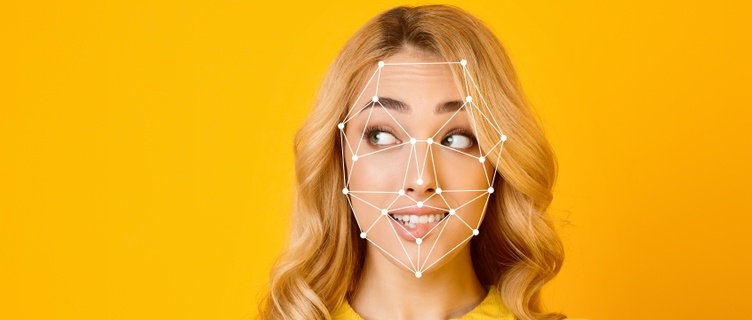
“This trend involves users uploading a portrait of themselves to ChatGPT and asking the AI to generate a full, dermatologist-style skincare analysis graphic,” she explains. “Instead of a standard text reply, the AI produces a highly polished visual report detailing perceived skin type, texture, hydration levels, and product recommendations.”
Mahto adds that a person’s selfie is transformed into a clinical-looking document, complete with a magnified face layout, comparison zones, and charts. The tool uses concise labels and icons to visually dissect the face, highlighting microscopic details such as pores, fine lines, and skin texture.
“This is designed to look like a premium medical consultation sheet, which gives it a false sense of clinical authority,” she warns. “But essentially, people are using a chatbot as a diagnostic tool for their selfies, which, as a dermatologist, I find deeply concerning.”
Dr Anjali Mahto

The health hazards of AI skin diagnostics
The ‘skincare analysis’ craze is spreading on social media, with users enthusiastically sharing their AI-generated visual reports and comparing them as if the results were medically accurate - which they are not.
Mahto notes that while people once used AI for simple photo edits, it is now being used as a personalised visual guide for daily skincare routines.
“The polished, shareable format of these graphics makes them highly viral, encouraging more people to scrutinise their own faces in the same way,” she says.
“The main danger of using a chatbot to clinically dissect a selfie rather than seeking professional help is that it triggers an extreme, unhealthy hyperawareness of entirely normal facial features. A chatbot lacks the medical training to understand the nuance of human biology, meaning it often pathologises completely healthy skin.”
Mahto adds that relying on AI for diagnoses can also delay people from seeking real medical help for actual skin conditions that require prescription treatments.
When AI confuses normal skin with disease
Using AI-generated ‘health reports’ for your skin doesn’t mean you’re consulting a qualified professional who can distinguish between real skin conditions and normal skin features. For this reason, skincare analysis tools can not only misdiagnose you but also make you believe that perfectly normal aspects of your face are flaws.
Mahto emphasises that AI cannot distinguish between normal, healthy biological features and actual dermatological conditions.
“It often treats a visible pore with the same level of 'correction' as a severe case of acne,” she explains. “This is why diagnosing skin requires years of medical training and hands-on experience with actual patients, not a clever algorithm. It actively treats natural biological necessities as flaws that need to be ‘fixed’ with products.
“For example, it will highlight visible pores, minor texture, and natural hydration fluctuations as issues requiring intervention. Pores and slight imperfections are entirely normal and essential for healthy skin function, yet the AI frames them as problems.”
How AI contributes to skin anxiety
It’s widely recognised that many online platforms - with their constant pressure to look ‘perfect,’ even though that’s neither realistic nor a true reflection of human life - have contributed to concerning behavioural and mental health effects. The same is true for the skincare analysis trend.
Mahto points out that social media filters have already set an impossible, poreless ideal for us to chase. But this trend takes the psychological impact to an entirely new level.
“By using AI to draw magnified circles around tiny details, we are fuelling a modern epidemic of skin-focused anxiety and body dysmorphia,” she says.
“We have collectively forgotten what normal, great skin actually looks like, replacing it with an unattainable, AI-generated standard. It's deeply concerning as a medic.”
Why dermatologists still matter
Unlike AI, dermatologists focus on treating real skin conditions - such as acne, rosacea, and severe pigmentation - rather than normal biological features.
As Mahto explains, their main goal is to help people maintain healthy, functional skin.
“We do not seek to erase normal biological features such as pores or natural texture because we understand they are vital to the skin's ecosystem,” she says.
“Consumers must remember that an AI is generating recommendations based on an algorithm's critique of a 2D image, not a medical understanding of your skin's health.”
Mahto advises that before you spend money on AI-suggested serums or cleansers, it’s worth considering whether you are addressing a genuine skin concern - or simply chasing an impossible, AI-driven standard of perfection.
“Always consult a qualified professional for real concerns," she concludes. "You should never trust a chatbot with your health."
Patient picks for Skincare
Skin, nail and hair health
Retinol: skincare benefits, side effects and more
Whatever your age, if you've ever thought about skincare, you've probably heard of retinol. But if you're unsure exactly what it is - or why you might need to know - you're not alone. To confuse matters, the term 'retinol' is used in similar contexts as 'retinoid' and 'retinoic acid' among others. Here's an overview of retinol, its benefits for the skin and things to think about before adding it to your skincare routine.
by Lynn Stephen
Skin, nail and hair health
The best foods and nutrients to eat for healthy skin
It sometimes seems we go from fighting teenage blemishes, straight on to battling wrinkles. However, incorporating nutrient-rich foods into your diet can benefit your skin at any age. Here we take a look at some of the key nutrients for healthy skin and what you should be adding to your weekly shop to get them.
by Victoria Raw
Frequently asked questions
What kind of visual information do these AI skincare analysis tools typically provide?
The AI tools typically produce a highly polished visual report. This often includes a magnified face layout, comparison zones, and charts. It uses concise labels and icons to visually dissect the face, highlighting details like pores, fine lines, and skin texture.
Why do these AI reports look so authoritative?
The reports are designed to resemble a premium medical consultation sheet. They transform a selfie into a clinical-looking document with a magnified face layout, comparison zones, and charts, giving them a false sense of clinical authority.
Can AI skin analysis help me with my daily skincare routine?
Some AI tools are being used as a personalised visual guide for daily skincare routines. However, relying on them for medical advice or diagnoses is not recommended.
What type of skin conditions do dermatologists focus on treating?
Dermatologists focus on treating real skin conditions such as acne, rosacea, and severe pigmentation. Their main goal is to help people maintain healthy, functional skin rather than focusing on normal biological features.
What is the difference in approach between AI skin analysis and a dermatologist?
AI generates recommendations based on an algorithm's critique of a 2D image and may highlight normal biological features as flaws. Dermatologists, on the other hand, have medical training and hands-on experience to understand the nuance of human biology, focusing on treating actual conditions and maintaining healthy, functional skin. They do not seek to erase normal biological features like pores or natural texture because they understand their importance to skin health.
About the authorView full bio

Victoria Raw
Feature Writer
BA (Hons), English Literature
Victoria is a content writer at Patient, with special interests spanning mental wellbeing, societal trends and the impact of technology on our health.
About the reviewerView full bio

Dr Colin Tidy, MRCGP
General Practitioner, Medical Author
MBBS, MRCGP, MRCP (Paediatrics), DCH
Dr Colin Tidy is an NHS Doctor, based in Oxfordshire.
Article history
Article also available in English, German, Spanish, French, Italian, Portuguese, Hindi, Hebrew, Arabic, and Swedish.
Next review due: 21 May 2029
21 May 2026 | Originally published
Authored by:
Victoria RawPeer reviewed by
Dr Colin Tidy, MRCGP
Join the conversation
Share your thoughts or experiences with others in our patient communities.

Ask, share, connect.
Browse discussions, ask questions, and share experiences across hundreds of health topics.

Feeling unwell?
Assess your symptoms online for free
Sign up to the Patient newsletter
Your weekly dose of clear, trustworthy health advice - written to help you feel informed, confident and in control.
By subscribing you accept our Privacy Policy. You can unsubscribe at any time. We never sell your data.
More in skin, nail and hair health
- 4 common winter hair problems - and how to treat them
- 8 causes of back acne
- A guide to UV protection sunglasses
- Biotin: do vitamins for hair growth really work?
- Can hair transplants improve mental health?
- Could your face mask be causing your acne?
- Do probiotics promote healthy hair?
- Does Bio-Oil work on stretch marks?
- UpdatedDoes rosemary oil actually help hair grow?
- Here's how to protect a bald head from the sun
- How to choose the right sunscreen
- How to manage skin issues at menopause
- Pregnancy acne: why it happens and how to treat it
- Should you wear sunscreen even when it's cloudy?
- Smoking effects on skin: from ageing to illness
- The 'second puberty': why you might be breaking out in your thirties
- What does aftersun do and do you really need it?
- What is skinimalism, and is it good for your skin?
- Why eczema itches - and how to stop it
- Why hair turns grey - and how lifestyle may play a role