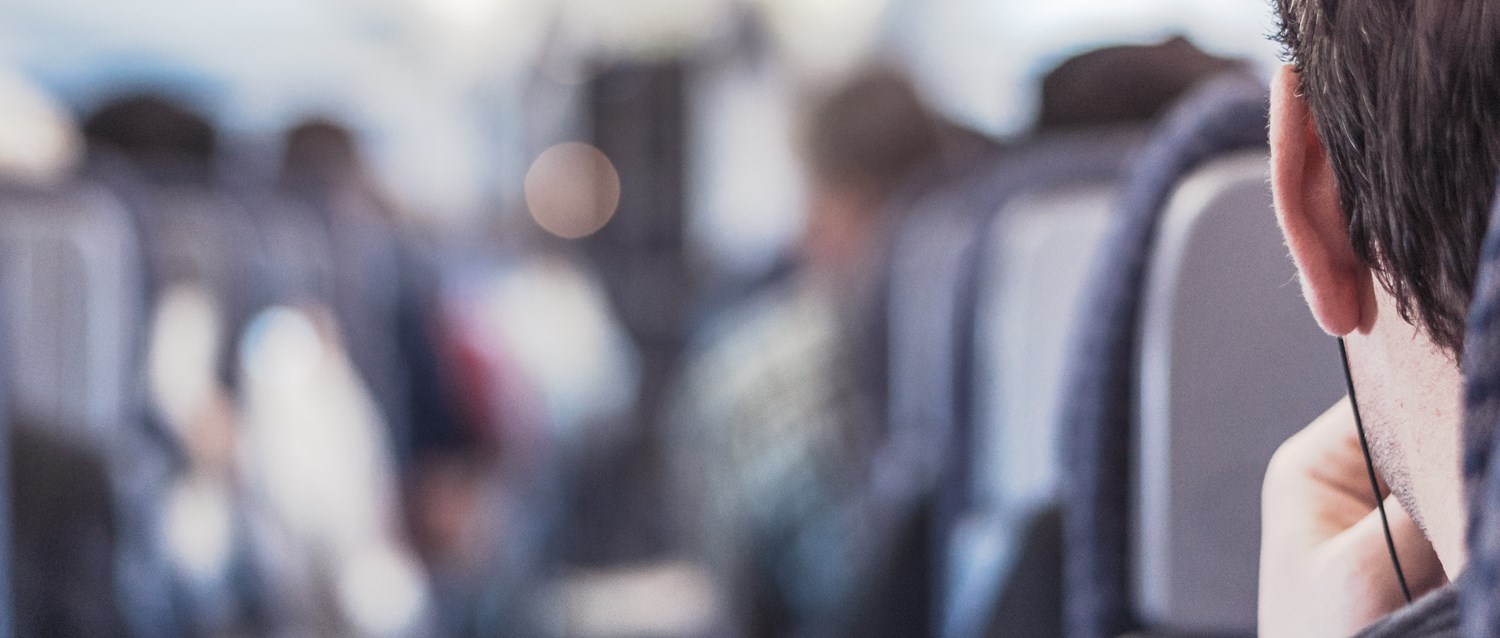
Do planes and trains make us sick?
Peer reviewed by Dr Sarah JarvisAuthored by Gillian HarveyOriginally published 10 Dec 2017
Meets Patient’s editorial guidelines
- DownloadDownload
- Share
- Language
- Discussion
- Audio Version
- Add to preferred sources on Google
Most of us look forward to travelling abroad, or taking a trip on the train. But with one in five of us developing cold symptoms after flying and train seats apparently littered with germs, could travelling be making us ill? We look at the myths, the facts and how to stay safe.
Poor air quality
When it comes to flying, many of us believe that the air circulating on a plane makes us more likely to catch a cold. However: "There is no evidence to suggest that the air-conditioning on a plane contributes to you getting ill," reassures Dr Eleanor Atkins of Bupa UK. "The air we breathe on a plane, is made up of a combination of fresh and recirculated air, so it's not just recycled air."
Too close for comfort?
However, before you breathe a sigh of relief, there are other ways in which contracting a common cold or virus might be more likely when travelling. Coming into contact with a large number of people increases your risk of getting sick - as does being trapped in a carriage with them for hours on end. "If you're using a bus, train or plane, there's a higher risk of germs spreading because you're in a confined space," explains Atkins.
"Planes are probably the riskiest form of transport when it comes to spreading illnesses. You'll often be mixing with people from around the globe, bringing you in contact with bugs your immune system hasn't met before," adds Dr Dan Robertson of video consultation platform Push Doctor.
A touching moment
When it comes to transferral of germs, your risk may increase from the moment you enter a station, bus terminal or airport. Touchscreens, check-in desks, door handles and even seat belt buckles can be riddled with bacteria - and as transport hubs are likely to have high footfall, the risk of exposure is increased.
"The bacteria that cause us to get ill can live on surfaces for up to eight hours, and these surfaces can be touched by thousands," explains Atkins. "Surfaces that are handled regularly, like a door handle or a lift button, carry lots of germs because they're used by so many people."
A nip in the air?
Remember your mum warning you to wrap up warm to keep yourself well? Turns out, she knew what she was talking about. Spending time shivering on a station platform, waiting in a draughty bus station or even feeling the chill of overenthusiastic air-conditioning systems can increase your risk of getting sick - or worsen existing symptoms. "Lower body temperatures may weaken your body's immune system, and can help some viruses thrive," says Atkins.
Lack of humidity when flying could also put passengers at increased risk of infection. At high altitude there is less moisture in the air - which could have an impact on our natural mucus barriers, giving viruses a better chance of taking hold.
Fighting fatigue
Often, travelling can mean an early start, crossing to a different time zone or even travelling overnight, meaning we're likely to feel fatigued. This is bad news for our immune system, which can be weakened when we're sleep-deprived, according to a recent study. This means that even car journeys, where we might feel safe from some of the other risks associated with travel, can make us more susceptible to infection if we disrupt our usual sleep patterns by driving at night.
Cruising for a bruising
Cruise ships have come in for a bit of battering in the press in recent years, with outbreaks of stomach bugs such as norovirus seemingly rife. Rather than anything nautical, however, it is the proximity of others, together with large-scale catering and buffet facilities that contribute to this risk.
"When lots of people are together in a confined space, illnesses can spread more easily. It only takes one person working with food to not observe proper hygiene practices, or to continue working whilst suffering from a virus, or returning to work too soon after being ill, to make hundreds of people ill," explains Robertson.
Eating right
Whether you're nipping into service stations or buying snacks from a vending machine, it's all-too-easy to make poor food choices when on the move. Unfortunately, poor diet "can lead to a detriment in your cellular development, which inevitably increases the chances of catching an illness, particularly if this is a regular habit when you're travelling by car," explains Robertson.
Staying safe
Want to avoid the worst of the travel nasties? Here's how you can keep yourself protected on the go.
Wash your hands
Hand hygiene is key to staying well, so wearing gloves if practical or washing regularly can help. "Germs can get into your body through your eyes, nose and mouth," explains Atkins. "Washing your hands with hot water and soap will remove any germs on your hands."
Use antibacterial gel (but only if necessary)
"If you can't access soap and water, you can use antibacterial gel, but this won't protect you against all illnesses (especially viruses) so there's no substitute for good handwashing, particularly before you have a bite to eat," adds Robertson.
Hold on to your heat
Feeling the chill? It's worth digging out a scarf! "Keeping warm can help you avoid coughs, colds and flu. If it's a particularly cold day, wear a jacket, scarf and gloves. When travelling, try to sit away from any draughty areas, especially for a long journey," explains Atkins.
Eat right
"To try to stay healthy during your journey, opt for a handful of berries and nuts over a bag of crisps. Keeping well hydrated and ensuring fresh air is circulating throughout the vehicle is also important," advises Robertson.
The downside of drink
You know those tempting offers of free alcohol you get when you're flying? They come with a distinct downside. At best, alcohol can exacerbate the effects of jetlag when you're flying. At worst, the combination of dehydration and alcohol fuelled sleep on a plane can increase your risk of deep vein thrombosis, or DVT. So stick to non-alcoholic drinks and get up and walk around the cabin regularly.
Avoid spreading germs
If you are suffering from a cold or virus yourself, protect other passengers by ensuring you catch any coughs or sneezes in a tissue and practise good hand hygiene at all times.
Patient picks for Travel advice
Travel and vaccinations
How to deal with holiday anxiety
Holidays are supposed to be a welcome break from the stress and strain of work and life. Away from emails, deadlines and more, it's a chance to relax - but for some, going away can trigger anxiety.
by Lydia Smith
Travel and vaccinations
What jet lag really does to your body
Jet lag can certainly put a dampener on a holiday but it may also have negative health implications for people who regularly experience it. We explore how holidaymakers and frequent flyers can minimise jet lag's effects.
by Léa Surugue
About the authorView full bio

Gillian Harvey
Freelance Writer
BA (Hons) English
Gillian is a freelance writer and columnist for a variety of national newspapers and magazines.
About the reviewerView full bio

Dr Sarah Jarvis
Clinical Consultant
MA (Cantab), BM, BCh (Oxon), DRCOG, FRCGP, MBE
After training in medicine at Cambridge and Oxford, Dr Sarah Jarvis MBE became a GP.
Article history
The information on this page is peer reviewed by qualified clinicians.
Article also available in English, German, Spanish, French, Italian, Portuguese, Hindi, Hebrew, Arabic, and Swedish.
10 Dec 2017 | Originally published
Authored by:
Gillian HarveyPeer reviewed by
Dr Sarah Jarvis
Join the conversation
Share your thoughts or experiences with others in our patient communities.

Ask, share, connect.
Browse discussions, ask questions, and share experiences across hundreds of health topics.

Feeling unwell?
Assess your symptoms online for free
Sign up to the Patient newsletter
Your weekly dose of clear, trustworthy health advice - written to help you feel informed, confident and in control.
By subscribing you accept our Privacy Policy. You can unsubscribe at any time. We never sell your data.
More in travel and vaccinations
- Do holidays help or hinder depression?
- Everything you need to know about the rabies jab
- Festival abroad? Have fun and stay safe
- Getting malaria tablets from your pharmacist
- How do you prevent altitude sickness?
- How to avoid traveller’s diarrhoea
- How to have a healthy flight
- How to manage motion sickness
- How to overcome a fear of flying
- How to stay healthy on holiday
- How to travel safely during pregnancy
- How to travel safely if you have allergies
- LGBTQ+ travel: how to stay safe
- Should you worry about side effects with malaria tablets?
- The essential adventure travel kit
- The food and drink to avoid on holiday if you’re pregnant
- What jet lag really does to your body
- What side effects are associated with the yellow fever vaccine?
- Why you always seem to get sick on holiday
- Will Brexit affect my travel insurance?