Can you have therapy if you don't have a mental health problem?
Peer reviewed by Dr Sarah JarvisAuthored by Lydia SmithOriginally published 1 Feb 2022
Meets Patient’s editorial guidelines
- DownloadDownload
- Share
- Language
- Discussion
- Audio Version
- Add to preferred sources on Google
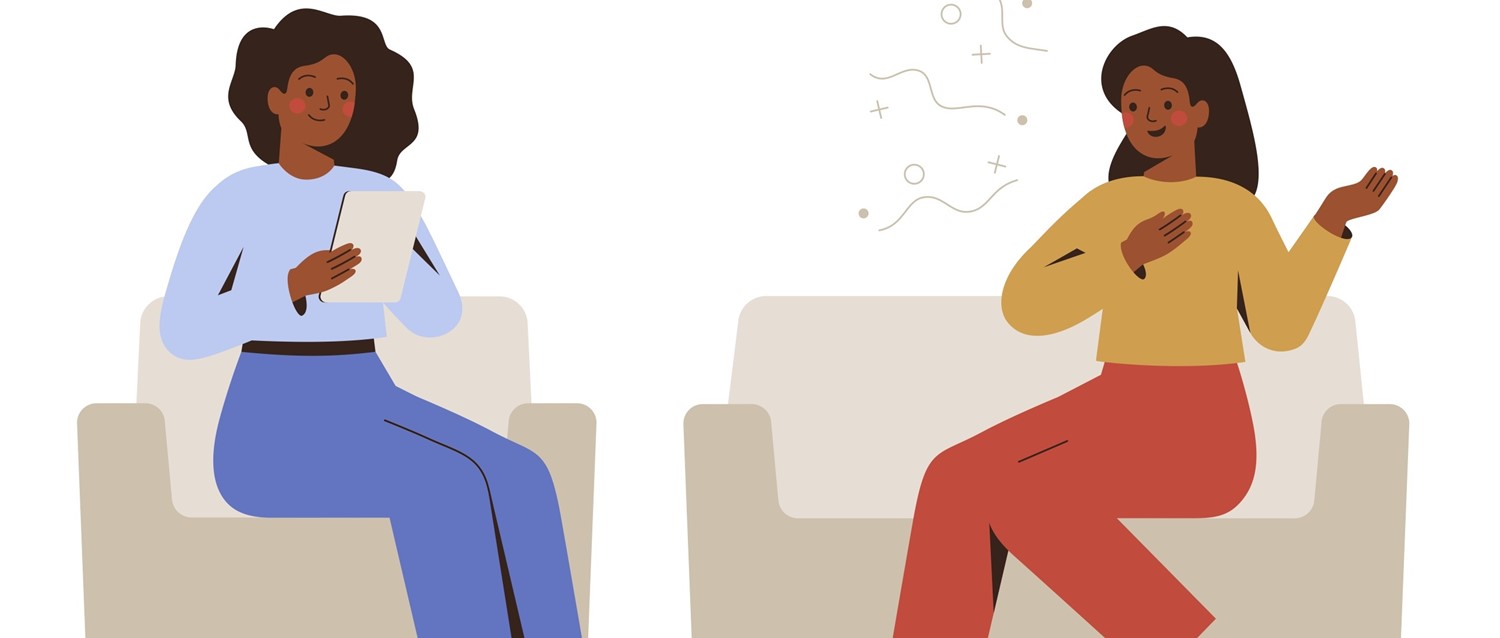
There are many misconceptions about therapy, including that it's only for people who are struggling with a mental health problem. This is not necessarily the case. Therapy can be a great way to explore and understand the issues we navigate every day, including decisions to do with work, relationships or general life.
Mental health support for adults and children
Online CBT and psychological therapy for adults and children aged 8–17. Onebright’s accredited clinicians support people experiencing anxiety, depression and other emotional challenges.
Why therapy isn't just for people with a mental health problem
Recently, the NHS launched its Help! campaign to encourage people to take better care of their mental health and promote talking therapies. Although more people are seeking professional help, many still avoid seeking support when it is needed.
There were 1.6 million referrals to talking therapies from 2018 to 2019 via the NHS Improved Access to Psychological Therapies (IAPT) programme, up 11.4% from 1.44 million in 2017 to 2018. The majority of these referrals were for people with anxiety or depression. However, an increasing number of people are accessing private therapy to help them navigate other challenges in their lives, such as their career or general stress.
Contrary to popular opinion, you don't need to have a diagnosed mental health problem to go to therapy. You also don't need to be going through a major life crisis to want to speak to someone about an issue that is on your mind.
"Many people believe therapy is specifically for those who have mental health problems. This is a misconception. Therapy can be an element of personal development as the process involves gaining insight, raising self-awareness and changing perspective," says Yuko Nippoda, psychotherapist and spokesperson for the UK Council for Psychotherapy (UKCP).
"Everyone has their own patterns of thinking, feeling and behaviour. When they become aware of these patterns, they become much clearer about themselves and their relationship with the surrounding environment, including other people," she adds.
"They can then begin to explore whether they want to make changes. Therapy is a very good tool for self-development as it can help in the process of a person becoming who they want to be."
A problem shared
People may be most inclined to try therapy when they're in crisis or during a stressful life event, such as a bereavement. However, there is no one definition of a 'stressful life event' - and we all have unique triggers. Therapists can help us make decisions regarding work, relationships and other common issues. It's also OK to start therapy just because you think you need a little extra help, even if you're not sure why.
Ultimately, there is no 'level' of low mood, anxiety or stress that is necessary for someone to want to try therapy. It's a common misunderstanding that you need to hit 'rock bottom' before getting help, but research shows early intervention is crucial for preventing or reducing the severity of a mental health problem in the future.
It's important to speak to people you are close to if you are experiencing a problem or any kind of distress. Speaking to a trusted friend or relative can be enough and provide you with advice, reassurance or a different perspective on an issue. However, it's not always easy to talk to someone you know intimately - and speaking to a therapist can be easier.
Talking to a therapist gives you an opportunity to open up to someone in a safe and confidential environment. While talking to a trusted friend can help, there are times when friends may be distracted or might be very opinionated about what you should do. Therapists, on the other hand, will not judge and are impartial.
There are many different types of therapy and therapists work in a variety of ways. For example, person-centred therapists may take a step back and allow you to speak freely and lead the session. Whatever their approach, a therapist can provide an ear when you need to think through an issue, which can help you feel less overwhelmed and help you in the long term.
Therapy as prevention
Therapy can be very helpful for people with anxiety, depression or other mental health problems. However, it can also be used as a preventative form of healthcare. Talking through an issue, no matter how insignificant it may feel, can help people before they reach a crisis point. This can help ensure they are better equipped to cope with adversity.
"By talking to a therapist, people can have a better understanding of themselves," explains Nippoda. "They will learn things they were not previously aware of, and they will become more conscious of things that were unconscious. In therapy, people can feel accepted by the therapist during the sessions. This makes it easier for them to accept themselves, which is a vital aspect of their growth as a human being.
"Many mental health issues relate to self-blame, so self-acceptance is supportive in people who have a tendency to self-blame," she adds. "By having therapy, people can learn how to equip themselves with tools to help them cope when difficulties arise in life. Therefore, therapy is a preventative measure for mental health."
Tackling stigma around therapy
There has been a huge increase in mental health awareness, in part due to online campaigns and more people discussing psychological well-being on social media. Despite this, there is still a stigma attached to mental illness that prevents people from pursuing mental health support and treatment. In fact, stigma is one of the key reasons people delay seeking treatment.
Often, people believe they should be able to handle any issues themselves or work harder to simply 'snap out' of feeling low or stressed. They may worry about being judged by friends, family or colleagues for accessing therapy.
"The idea that therapy or counselling is only for those with mental health issues is common, and the related stigma may put people off seeking help," says Nippoda. "Therapists should make an effort to raise awareness about what therapy is by making it clear that therapy is not only for people with mental health problems, but that it has a wider and richer purpose for individuals."
If you are struggling with a problem such as anxiety or depression, it's important to speak to your GP. You can also self-refer for NHS talking therapy.
Patient picks for Mental health therapy
Treatment and medication
Do mental health apps really work?
Mental health apps are booming. Ranging from platforms for improving well-being, to those focused on specific mental illnesses, the last few years have seen a proliferation of digital self-help tools. With many of us using our phones to log our fitness, it's no surprise that we're downloading apps for mind as well as body.
by Abi Millar

Treatment and medication
Art therapy: creative ways to boost your mental health
When your thoughts feel tangled or your heart feels heavy, communicating how you feel can be tough. Art therapy provides a safe space where you can activate your imagination, channel difficult emotions, or silence your inner critic without having to say a single word.
by Heather Ainsworth
About the authorView full bio

Lydia Smith
Feature writer
BA, MA, MSc
Lydia Smith is an award-winning journalist and feature writer who has written extensively on women's health and mental health. She is currently studying for an MSc in psychology.
About the reviewerView full bio

Dr Sarah Jarvis
Clinical Consultant
MA (Cantab), BM, BCh (Oxon), DRCOG, FRCGP, MBE
After training in medicine at Cambridge and Oxford, Dr Sarah Jarvis MBE became a GP.
Article history
Article also available in English, German, Spanish, French, Italian, Portuguese, Hindi, Hebrew, Arabic, and Swedish.
1 Feb 2022 | Originally published
Authored by:
Lydia SmithPeer reviewed by
Dr Sarah Jarvis
Join the conversation
Share your thoughts or experiences with others in our patient communities.

Ask, share, connect.
Browse discussions, ask questions, and share experiences across hundreds of health topics.

Feeling unwell?
Assess your symptoms online for free
Sign up to the Patient newsletter
Your weekly dose of clear, trustworthy health advice - written to help you feel informed, confident and in control.
By subscribing you accept our Privacy Policy. You can unsubscribe at any time. We never sell your data.
More in treatment and medication
- Book a Pharmacy First online consultation
- Empowering the next generation: St John Ambulance and the Young Responders campaign
- Holiday first aid kit essentials
- How to choose a therapist
- How to prevent muscle loss on Mounjaro
- Is ASMR the secret to sensory bliss?
- Is it safe to take opioid painkillers?
- Mounjaro weight loss injections: FAQs
- Pharmacy First - getting the most from your pharmacist
- The dangers of fake drugs
- The importance of learning CPR
- What does a women's health physiotherapist do?
- What is psychodynamic therapy?
- What to expect from your pharmacy consultation
- What you need to know about stopping medication
- Which therapies can ease Parkinson's disease symptoms?
- Why is there still stigma around antidepressants?
- Will taking antidepressants really lead to weight gain?