Hur du förhindrar att ditt barn får en vårta
Granskad av Dr Sarah JarvisFörfattad av Danny ChadburnUrsprungligen publicerad 28 Sept 2017
Uppfyller patientens redaktionella riktlinjer
- Ladda nerLadda ner
- Dela
- Language
- Diskussion
- Ask Patient
- Ljudversion
- Lägg till i föredragna källor på Google
Verrucas are very common in children and teenagers – around one in three will get them. They’re actually warts on the feet, caused by the human papillomavirus, but they don’t look like normal warts because they’re pressed in.
Explore wart and verruca treatments
Get expert healthcare advice from the comfort of home. Complete a quick online consultation, available 24/7, with your request reviewed by a UK-registered clinician. Next day delivery available on eligible treatments.

Videoval för General skin conditionsVideobibliotek
Children tend to catch them more easily because their immune systems are not fully developed, and they’re more likely to have cuts and scratches on their skin where the virus can get in. Teenagers who play contact sports can also be particularly prone.
Although they are usually harmless, verrucas can be embarrassing, painful, and difficult to get rid of. Here’s how you can prevent them.
Common places to catch a verruca
Verrucas spread quickly and easily in hot and humid environments, such as:
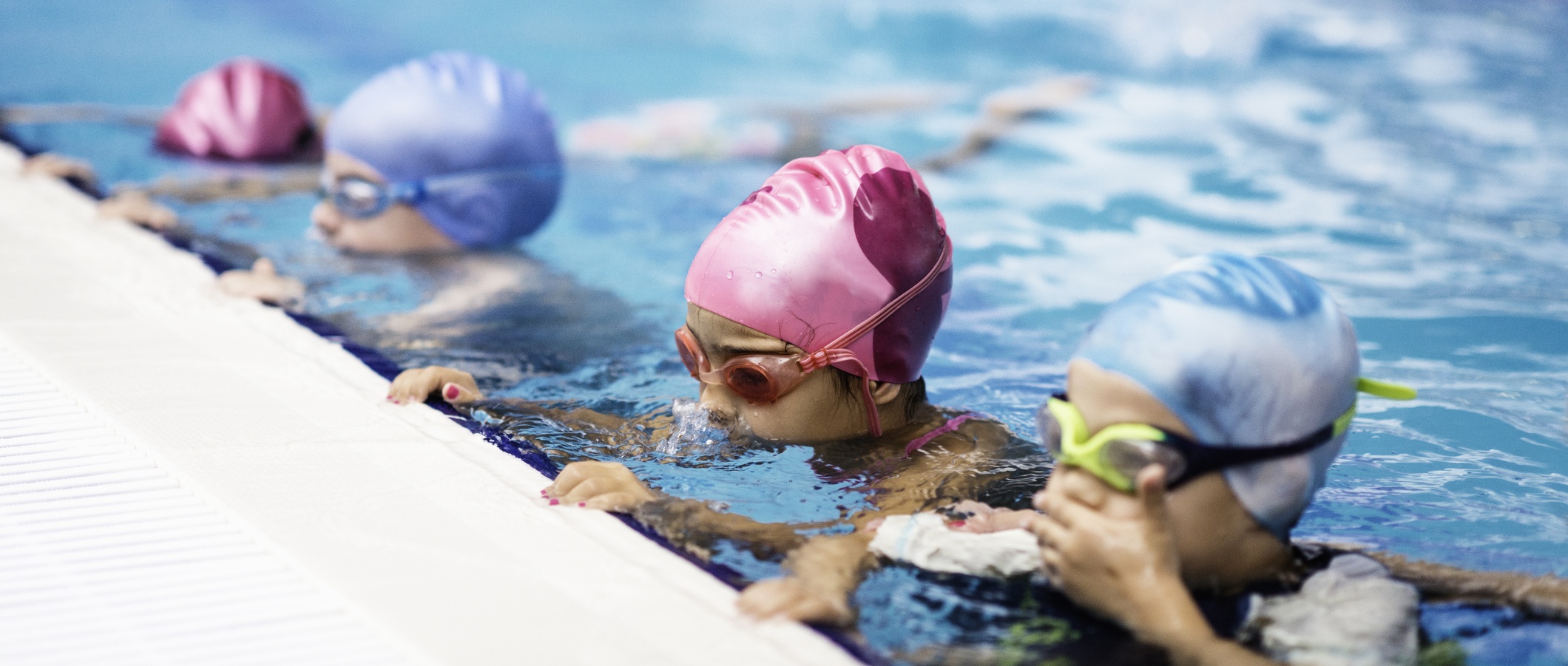
Swimming pools and communal showers – the virus can survive for months on swimming pool floors
Gyms, indoor play parks, sports halls – especially if you let them go barefoot
It can take months for a verruca to appear after your child has caught the infection. So don’t blame last week’s school swimming lesson; they may have caught the virus on holiday with you.
How to prevent verrucas
Verrucas spread through skin-to-skin contact and also via personal items that have become contaminated, such as towels, socks and shoes.
Tips to help protect your child
Don’t let them go barefoot in public places (particularly the ones above).
Don’t let them use personal items that aren’t their own.
Keep their feet dry whenever possible – the virus spreads more quickly on wet feet.
Make sure any cuts or scratches are covered up if they’re going to any of the places mentioned above.
Check their feet regularly. You might not be able to prevent that first verruca, but you can stop your child developing more or infecting the rest of the family.
Can swimming socks prevent verrucas spreading?
Most experts agree that special swimming socks have limited value. In fact, Swim England advises against using them and says using a waterproof plaster to cover up a verruca is fine.
If your child already has a verruca, socks might help to stop the virus spreading. But if they’re feeling self-conscious, or getting teased by classmates, a plaster could be just as effective and a lot less stressful for both of you.
If you spot another child swimming with an uncovered verruca, it may be worth mentioning it to their parents or a teacher, especially if they seem to be in pain or are limping. But many experts (and parents) these days consider verrucas to be a nuisance rather than a serious health risk, so no matter what you say, they may decide to do nothing.
How to treat verrucas
Be aware not touch your child’s verruca with bare hands, or you could catch them yourself, and do not try to scrape or cut it off because you could damage the skin and cause an infection – the verruca may come back. Your pharmacist will have several treatment options they can advise you on and sell you without a prescription.
Leave them alone
The body will eventually cure itself, but you might have to be patient. It could take a year or two for them to clear up completely, and you still need to keep the verruca covered with a plaster when your child goes swimming.
Dry them out
Over-the-counter chemical treatments containing formic acid have had considerable success in clinical trials. Formic acid works by penetrating into the verruca and effectively drying it out, though it can take up to 12 weeks.
Peel them off
Over-the-counter treatments containing salicylic acid, which works by peeling off layers of the infected skin, can also be successful when used regularly for up to three months.
Freeze them off
If the verruca becomes painful and your child is finding it difficult to walk, it’s worth seeing your GP. You could be offered cryotherapy – a freezing treatment containing liquid nitrogen – which is usually successful but it can be quite painful. Home freezing kits are also available in chemists but they aren’t generally as effective.
Egenvård
Although there’s no clinical evidence it works, and the methods above are preferred treatments, some people try a mixture of tea tree oil and lemon applied every day.
Should you tell their school?
It’s probably best to warn the teacher before swimming or PE so they can make sure your child doesn’t go barefoot or share towels etc. But verrucas shouldn’t stop children from going swimming or taking part in sport.
Can verrucas be a sign of something serious?
People with low immunity can be more susceptible to verrucas, so if your child keeps getting them, despite taking precautions, or they haven’t disappeared after two years, ask your GP for blood tests to make sure their immune system is working properly.
Patientval för General skin conditions
Hud, nagel och hårhälsa
Torr hud på vintern: vad kallt väder kan göra med din hud
Kallt väder kan vara tufft för vår hud, och torr hud på vintern kan orsaka eller förvärra ett antal hudåkommor. Mindre kända effekter av vinterväder inkluderar allergiska reaktioner och spridning av infektioner som också utlöser hudproblem.
av Amberley Davis
Hud, nagel och hårhälsa
Vad orsakar kliande hud?
Vem har inte upplevt den ljuvliga lättnaden av att klia sig när det kliar? Alla kliar sig då och då, oftast på grund av insektsbett, eksem, allergi eller irritation från något de har rört vid. Men ibland kan klåda vara ett tecken på en allvarligare sjukdom – hur kan man då skilja på det?
av Dr Sarah Jarvis
Om författaren
Författad av

Danny Chadburn
Innehållschef
Danny var tidigare innehållschef på Patient.
Om recensentenVisa fullständig biografi

Dr Sarah Jarvis
Klinisk konsult
MA (Cantab), BM, BCh (Oxon), DRCOG, FRCGP, MBE
Efter att ha utbildat sig i medicin vid Cambridge och Oxford blev Dr Sarah Jarvis MBE allmänläkare.
Artikelhistorik
Artikeln finns också på Engelska, Tyska, Spanska, Franska, Italienska, Portugisiska, Hindi, Hebreiska, Arabiska, och Svenska.
28 Sept 2017 | Ursprungligen publicerad
Författad av:
Danny Chadburn
Granskad av
Dr Sarah Jarvis
Dela dina tankar eller erfarenheter med andra i vår patientgemenskaper.
Anmäl dig till Patientens nyhetsbrev
Din veckovisa dos av tydliga, pålitliga hälsoråd - skrivna för att hjälpa dig känna dig informerad, självsäker och i kontroll.
Genom att prenumerera accepterar du våra Sekretesspolicy. Du kan avsluta prenumerationen när som helst. Vi säljer aldrig dina uppgifter.