ADHD självbedömningsverktyg
Författad av Patient infomatics teamUrsprungligen publicerad 12 May 2026
Uppfyller patientens redaktionella riktlinjer
- Ladda nerLadda ner
- Dela
- Language
- Diskussion
- Ask Patient
- Ljudversion
- Lägg till i föredragna källor på Google
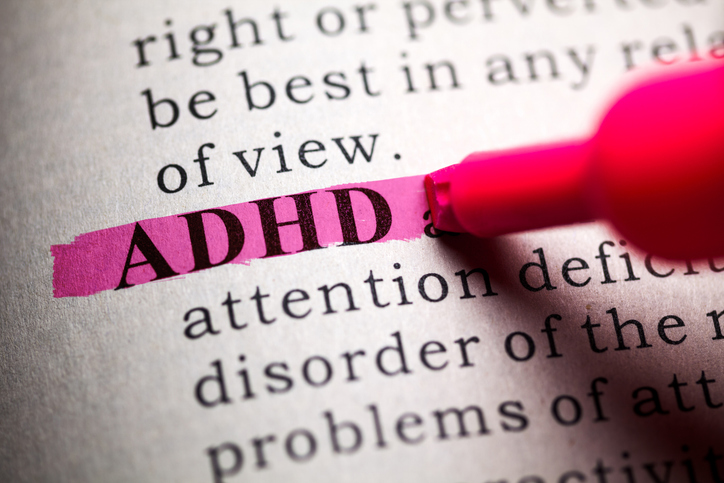
Struggling to focus. Starting tasks but not finishing them. Feeling constantly distracted, overwhelmed, restless, or as though your mind never switches off.
For some people, these experiences may be linked to Attention deficit hyperactivity disorder (ADHD) - a neurodevelopmental condition that can affect attention, organisation, impulse control, energy levels, and day-to-day routines.
ADHD is often associated with childhood, but many people are not recognised until adulthood. In some cases, symptoms may have been misunderstood, masked, or attributed to stress, anxiety, personality, or simply being “busy”.
This screening tool is designed to help you reflect on common traits associated with ADHD in adults. It can help you understand whether it may be worth speaking to a healthcare professional.
Answer a series of short questions based on how you’ve felt and functioned over the past six months.
The questionnaire should take around 3–5 minutes to complete.
Your responses are private, and you’ll receive immediate guidance based on your answers.
Patientval för Neurodiversity
Hjärna och nerver
ADHD hos vuxna
Attention deficit hyperactivity disorder (ADHD) causes problems with concentrating (inattention), and being too active and having difficulty staying focused (hyperactivity). The difficulties caused by ADHD vary from mild to severe. Although ADHD starts in childhood, the difficulties often persist into adulthood. Sometimes adults are diagnosed with ADHD for the first time because the problems have not been properly assessed and the diagnosis not made during childhood. Attention deficit disorder (ADD) is a term used for people who have excessive difficulties with concentration without other ADHD symptoms such as excessive impulsiveness or hyperactivity.
av Dr Colin Tidy, MRCGP

Hjärna och nerver
Autismspektrumstörningar
Autism spectrum disorder (ASD), commonly known as autism, affects the way that a person communicates with, and relates to, other people. The National Autistic Society defines autism as 'a lifelong developmental disability which affects how people communicate and interact with the world'. People with autism spectrum disorders usually need specialist care and education. Many people feel that autism should not be called a disorder. The term autism spectrum condition is therefore sometimes used instead of autism spectrum disorder. For consistency with most NHS resources in this area, we will use the term ASD throughout this leaflet.
av Dr Toni Hazell, FRCGP
Om författarenVisa fullständig biografi
Författad av

Patientinformatikteamet
Patient.info Informatikteam säkerställer att vårt medicinska innehåll och våra verktyg är korrekta, evidensbaserade och i linje med betrodd NHS- och NICE-vägledning.
Artikelhistorik
Artikeln finns också på Engelska, Tyska, Spanska, Franska, Italienska, Portugisiska, Hindi, Hebreiska, Arabiska, och Svenska.
12 May 2026 | Ursprungligen publicerad
Författad av:
Patientinformatikteamet
Dela dina tankar eller erfarenheter med andra i vår patientgemenskaper.
Enkel tillgång till pålitliga behandlingar och hälsotjänster online.
Common conditions
Get help with common conditions through the NHS, without a GP appointment.





Anmäl dig till Patientens nyhetsbrev
Din veckovisa dos av tydliga, pålitliga hälsoråd - skrivna för att hjälpa dig känna dig informerad, självsäker och i kontroll.
Genom att prenumerera accepterar du våra Sekretesspolicy. Du kan avsluta prenumerationen när som helst. Vi säljer aldrig dina uppgifter.