Varför gråter vi?
Granskad av Dr Hayley Willacy, FRCGP Författad av Dr Laurence KnottUrsprungligen publicerad 26 jun 2018
Uppfyller patientens redaktionella riktlinjer
- Ladda nerLadda ner
- Dela
- Language
- Diskussion
- Ask Patient
- Ljudversion
- Lägg till i föredragna källor på Google
It was the poet Ella Wheeler Wilcox who wrote: 'Laugh and the world laughs with you, weep and you weep alone.' This aphorism is only partly true. Although laughing is more infectious than crying, crying is almost as widespread an activity. Extend the definition to include the production of tears for any reason, and it becomes a universal phenomenon.
The mechanics of crying
Tears and lacrimation
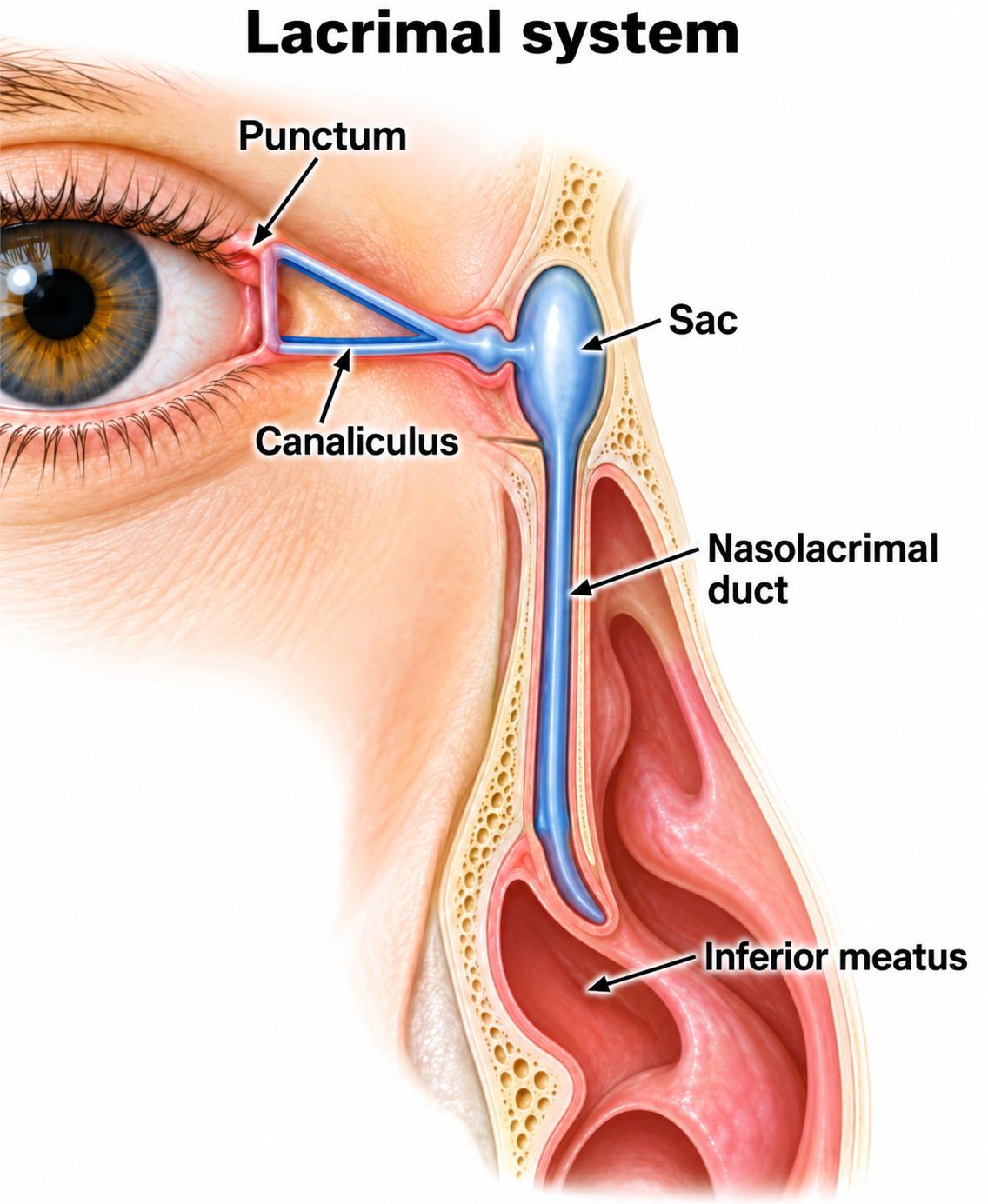
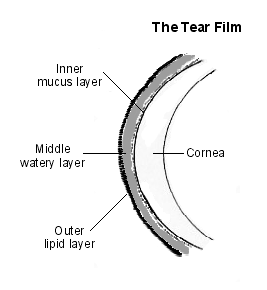
To understand why we cry, it is perhaps necessary to appreciate how we cry. Tears are produced by the lacrimal gland located at the outer end of the eyeball. Blinking spreads the tear as a film across your eye (the tear film).
Tear film
The tears flow into a collection area called the lacrimal lake and from there into drainage holes in the upper and lower inner eyelids. These are called the superior and inferior lacrimal puncta (singular: punctum). From there it's on to a reservoir called a lacrimal sac before they make their way down the nasolacrimal duct into the nasal cavity. It's a bit like a ride at Alton Towers, but less interesting.
The tears are meant to be held in place by some oil in the tear film. However, if the flow is more than this drainage system can cope with, they will start running down your cheeks, as anyone with a credit card will tell you.
There are in fact three types of tears:
Basala tårar
These are your common or garden tears that bathe the eye 24/7. Their function is to lubricate the eye so the eyelid flows smoothly over it, and to keep it free from dust and infection. Basal tears contain a whole bunch of stuff, including chemicals such as sodium, an enzyme called lysozyme which helps to destroy germs, and mucin, the WD-40® of the biochemical world.
Reflex tears
These are produced as a response to irritants. It's the body's way of trying to wash nasty substances out of your eye. Onions are the triggers often quoted in books but it can also happen with pepper, bright light, ammonia in cleaning fluid and many strong chemicals (such as perfume). Vomiting, coughing and yawning (hopefully not all at the same time) can also stimulate reflex tear production.
Psychic tears
Nothing to do with overwrought mind readers. Their other name - emotional tears - gives you a clue as to their origin. Any strong emotion - such as sadness, pleasure, anger or suffering associated with physical pain - can bring a tear to the eye. Humour can be another trigger, and in some people crying can be associated with intense bouts of laughter.
Why we cry
Emotional crying
The fancy medical term for crying is lacrimation. The above description gives you some of the reasons for crying. Emotional crying is controlled by the hypothalamus, which is part of the limbic system of the brain. The limbic system is involved in generating basic emotions such as sadness, fear and anger. When a person feels emotion, the hypothalamus springs into action to stimulate the lacrimal glands to produce tears. It does this via the autonomic nervous system, a network of nerves functioning largely behind the scenes.
Emotional tears have a different chemical make-up to basal or reflex tears. They contain more prolactin, adrenocorticotrophin hormone and a natural painkiller called leucine enkephalin. It is possible that at times of emotional stress, crying reflects the body's attempts to make us feel better. It is, if you like, attempting to wrap itself in a huge biochemical comfort blanket. As that great neuropsychologist of his day, William Shakespeare, wrote in Henry VI, Part 3: "To weep is to make less the depth of grief."
Other types of crying
The tear production system is meant to work in the background, flowing across the eyeball to float dust and debris off the front of the eye, so that it can be swept away by the eyelids. If you think about it, it's not too dissimilar from the screenwash/rain/wiper set-up we have for our cars. If the tear production system works overtime or the drainage system becomes blocked, tears start to well up in the eye. The eye becomes watery and tears start to overflow down the cheeks. This is called epiphora. Many conditions can interrupt the smooth working of this system, including problems you are born with (congenital), infections, inflammation and foreign bodies in the eye.
Patientval för Ögonhälsa

Ögonhälsa
När bör du oroa dig för dina ögon?
It is recommended that you get your eyes tested every two years - even if your vision seems fine. Your test will check for your vision and eye health, and check for any emerging issues. Here we talk about what changes and issues in your vision you should look out for and when you should see a specialist.
av Lynn Stephen

Ögonhälsa
Hur du tar hand om dina ögon när du arbetar hemifrån
Eye strain has become increasingly common following advances in technology. 95% of households now own at least one mobile phone - yet just a generation (25 years) ago, more than 5 in 6 households didn't have a single mobile between them. As for computers, household ownership has increased from 27% in 1995 to almost 90% today. We're spending more time staring at screens, possibly more than ever now that many employees are working from home. However, it's important we don't let our eyes suffer as a result.
av Emily Jane Bashforth
Om författarenVisa fullständig biografi
Författad av

Dr Laurence Knott
Allmänläkare, Medicinsk Författare
BSc (Hons) Biokemi, Läkarexamen
Dr Laurence Knott kvalificerade sig 1973 och har haft omfattande erfarenhet som allmänläkare.
Om recensentenVisa fullständig biografi

Dr Hayley Willacy, FRCGP
Allmänläkare, Medicinsk Författare
MBChB (1992), DRCOG, DFFP, MRCOG (Part 1) MRCGP (2007), DFSRH (2013), MSc - medical education (2020)
Dr Hayley Willacy var en NHS-läkare som arbetade i nordvästra England och gick i pension från klinisk praktik 2022 efter 30 år.
Artikelhistorik
Artikeln finns också på Engelska, Tyska, Spanska, Franska, Italienska, Portugisiska, Hindi, Hebreiska, Arabiska, och Svenska.
26 jun 2018 | Ursprungligen publicerad
Författad av:
Dr Laurence KnottGranskad av
Dr Hayley Willacy, FRCGP
Dela dina tankar eller erfarenheter med andra i vår patientgemenskaper.
Enkel tillgång till pålitliga behandlingar och hälsotjänster online.
Common conditions
Get help with common conditions through the NHS, without a GP appointment.





Anmäl dig till Patientens nyhetsbrev
Din veckovisa dos av tydliga, pålitliga hälsoråd - skrivna för att hjälpa dig känna dig informerad, självsäker och i kontroll.
Genom att prenumerera accepterar du våra Sekretesspolicy. Du kan avsluta prenumerationen när som helst. Vi säljer aldrig dina uppgifter.