Glukos-6-fosfatdehydrogenasbrist
Senast uppdaterad 3 Apr 2025
Uppfyller patientens redaktionella riktlinjer
- Ladda nerLadda ner
- Dela
- Language
- Diskussion
- Ask Patient
- Ljudversion
- Lägg till i föredragna källor på Google
Glucose-6-phosphate dehydrogenase deficiency is a genetic disorder that affects red blood cells, which carry oxygen from the lungs to tissues throughout the body. In affected individuals, a defect in an enzyme called glucose-6-phosphate dehydrogenase causes red blood cells to break down prematurely. This destruction of red blood cells is called hemolysis.
Videoval för Genetiska tillståndVideobibliotek
Beskrivning
Glucose-6-phosphate dehydrogenase deficiency is a genetic disorder that affects red blood cells, which carry oxygen from the lungs to tissues throughout the body. In affected individuals, a defect in an enzyme called glucose-6-phosphate dehydrogenase causes red blood cells to break down prematurely. This destruction of red blood cells is called hemolysis.
The most common medical problem associated with glucose-6-phosphate dehydrogenase deficiency is hemolytic anaemia, which occurs when red blood cells are destroyed faster than the body can replace them. This type of anaemia leads to paleness, yellowing of the skin and whites of the eyes (jaundice), dark urine, fatigue, shortness of breath, and a rapid heart rate. In people with glucose-6-phosphate dehydrogenase deficiency, hemolytic anaemia is most often triggered by bacterial or viral infections or by certain drugs (such as some antibiotics and medications used to treat malaria). Hemolytic anaemia can also occur after eating fava beans or inhaling pollen from fava plants (a reaction called favism).
Glucose-6-phosphate dehydrogenase deficiency is also a significant cause of mild to severe jaundice in newborns. Many people with this disorder, however, never experience any signs or symptoms and are unaware that they have the condition.
Inheritance patterns
The source lists the following possible inheritance patterns: X-linked. More than one pattern can apply in different cases.
Related genes
Other names
Deficiency of glucose-6-phosphate dehydrogenase
G6PD-brist
G6PDD
Glucose 6 phosphate dehydrogenase deficiency
Related patient information and medicines
Patient information leaflet
Kan jag ta Glukosamin och Vitamin C tillsammans?
Kidney stones (oxalate) High doses of Vitamin C (typically over 1000mg daily) can increase the amount of oxalate in your urine, significantly raising the risk of developing kidney stones if you are prone to them. G6PD-brist If you have glucose-6-phosphate dehydrogenase (G6PD) deficiency, high doses of vitamin C can cause your red blood cells.

Patient information leaflet
Gulsot
Jaundice means that the skin and other body parts turn a yellow colour. This increased amount of bilirubin then spills into the tissues of the bod... Conditions that cause an increased rate of breakdown of red blood cells include: Some genetic diseases, such as sickle cell anaemia Sickle cell disease , thalassaemia Thalassaemia , spherocytosis,.
Patient information leaflet
Kan jag ta ingefära och vitamin C tillsammans?
Kidney stones (Calcium oxalate) High doses of Vitamin C can significantly increase the amount of oxalate in your urine, which may lead to the formation of kidney stones, especially if you have a history of them. G6PD deficiency If you have glucose-6-phosphate dehydrogenase (G6PD) deficiency, high doses of vitamin C can cause your red blood cells.
Patient information leaflet
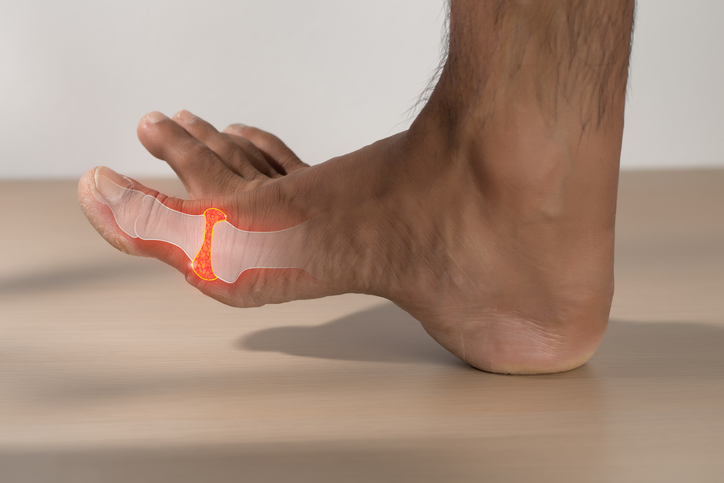
Gikt
What is gout? | Patient Explainers Gout causes attacks of pain and swelling in one or more joints. Find out more: [/health/gout-leaflet](https://patient.info/health/gout-leaflet) Follow Patient: Website: [/](https://patient.info/) Facebook: [https://www.facebook.com/patient](https://www.facebook.com/patient).

Patient information leaflet
Planerar att bli gravid
This leaflet offers advice for women who are planning to become pregnant. The aim is to plan ahead to reduce t... Duchenne muscular dystrophy Fragile X syndrome. Haemophilias A och B. Glucose-6-phosphate dehydrogenase deficiency. Other medical conditions Other conditions for which it is best to see a doctor before becoming pregnant include:.
Patient information leaflet
Kan jag ta järn och vitamin C tillsammans?
Kidney stones High doses of vitamin C can increase the amount of oxalate in your urine, which significantly raises the risk of developing kidney stones, especially if you have had them before. G6PD-brist If you have glucose-6-phosphate dehydrogenase (G6PD) deficiency, high doses of vitamin C can cause your red blood cells to break down.
Vidare läsning och referenser
- Glukos-6-fosfatdehydrogenasbrist; MedlinePlus, National Library of Medicine.
- Cappellini MD, Fiorelli G. Glucose-6-phosphate dehydrogenase deficiency. Lancet. 2008 Jan 5;371(9606):64-74. doi: 10.1016/S0140-6736(08)60073-2.
- Frank JE. Diagnosis and management of G6PD deficiency. Am Fam Physician. 2005 Oct 1;72(7):1277-82.
- Luzzatto L, Nannelli C, Notaro R. Glucose-6-Phosphate Dehydrogenase Deficiency. Hematol Oncol Clin North Am. 2016 Apr;30(2):373-93. doi: 10.1016/j.hoc.2015.11.006.
- Manganelli G, Masullo U, Passarelli S, Filosa S. Glucose-6-phosphate dehydrogenase deficiency: disadvantages and possible benefits. Cardiovasc Hematol Disord Drug Targets. 2013 Mar 1;13(1):73-82. doi: 10.2174/1871529x11313010008.
- Nkhoma ET, Poole C, Vannappagari V, Hall SA, Beutler E. The global prevalence of glucose-6-phosphate dehydrogenase deficiency: a systematic review and meta-analysis. Blood Cells Mol Dis. 2009 May-Jun;42(3):267-78. doi: 10.1016/j.bcmd.2008.12.005. Epub 2009 Feb 23.
Artikelhistorik
Artikeln finns också på Engelska, Tyska, Spanska, Franska, Italienska, Portugisiska, Hindi, Hebreiska, Arabiska, och Svenska.
3 Apr 2025 | Senaste versionen
1 Apr 2023 | Ursprungligen publicerad
Dela dina tankar eller erfarenheter med andra i vår patientgemenskaper.
Enkel tillgång till pålitliga behandlingar och hälsotjänster online.
Common conditions
Get help with common conditions through the NHS, without a GP appointment.





Anmäl dig till Patientens nyhetsbrev
Din veckovisa dos av tydliga, pålitliga hälsoråd - skrivna för att hjälpa dig känna dig informerad, självsäker och i kontroll.
Genom att prenumerera accepterar du våra Sekretesspolicy. Du kan avsluta prenumerationen när som helst. Vi säljer aldrig dina uppgifter.