Hereditary antithrombin deficiency
Senast uppdaterad 7 Apr 2021
Uppfyller patientens redaktionella riktlinjer
- Ladda nerLadda ner
- Dela
- Language
- Diskussion
- Ask Patient
- Ljudversion
- Lägg till i föredragna källor på Google
Hereditary antithrombin deficiency is a disorder of blood clotting. People with this condition are at higher than average risk for developing abnormal blood clots, particularly a type of clot that occurs in the deep veins of the legs. This type of clot is called a deep vein thrombosis (DVT). Affected individuals also have an increased risk of developing a pulmonary embolism (PE), which is a clot that travels through the bloodstream and lodges in the lungs. In hereditary antithrombin deficiency, abnormal blood clots usually form only in veins, although they may rarely occur in arteries.
Videoval för Genetiska tillståndVideobibliotek
Beskrivning
Hereditary antithrombin deficiency is a disorder of blood clotting. People with this condition are at higher than average risk for developing abnormal blood clots, particularly a type of clot that occurs in the deep veins of the legs. This type of clot is called a deep vein thrombosis (DVT). Affected individuals also have an increased risk of developing a pulmonary embolism (PE), which is a clot that travels through the bloodstream and lodges in the lungs. In hereditary antithrombin deficiency, abnormal blood clots usually form only in veins, although they may rarely occur in arteries.
About half of people with hereditary antithrombin deficiency will develop at least one abnormal blood clot during their lifetime. These clots usually develop after adolescence.
Other factors can increase the risk of abnormal blood clots in people with hereditary antithrombin deficiency. These factors include increasing age, surgery, or immobility. The combination of hereditary antithrombin deficiency and other inherited disorders of blood clotting can also influence risk. Women with hereditary antithrombin deficiency are at increased risk of developing an abnormal blood clot during pregnancy or soon after delivery. They also may have an increased risk for pregnancy loss (miscarriage) or stillbirth.
Inheritance patterns
The source lists the following possible inheritance patterns: Autosomal dominant. More than one pattern can apply in different cases.
Related genes
Other names
Antithrombin III deficiency
Congenital antithrombin III deficiency
Related patient information and medicines

Patient information leaflet
Trombofili
If a child inherits two genes ... Protein S deficiency Protein S is also a natural anticoagulant chemical in the blood. Protein S deficiency is rare. Antithrombin deficiency Antithrombin is another of the natural anticoagulant chemicals in the blood. There are different types of antithrombin deficiency, both genetic and due to other diseases..

Patient information leaflet
Preventivmedelsimplantat
Y... Relative contraindications include: Some types of severe heart Heart disease or levern disease Non-alcoholic fatty liver disease. Past breast cancer. A hereditary blood disorder called porphyria Porphyria. You have an increased risk of blood clots in the veins due to antiphospholipid syndrome Antiphospholipid syndrome , antithrombin deficiency.
Patient information leaflet
Antikoagulantia
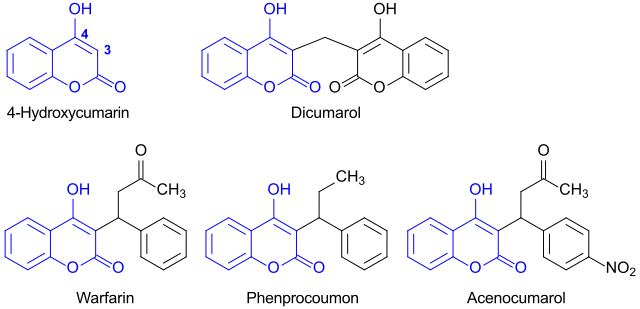
Anticoagulants are medicines that prevent the blood from clotting as quickly eller as effectively som normal. Heparin activates a chemical called antithrombin; antithrombin then stops other clotting factors from working, reducing the blood's ability to clot. ... antiphospholipid syndrome Antiphospholipid syndrome or inherited thrombophilias.
Patient information leaflet
Mjältsmärta
This leaflet gives a brief overview of the spleen and its functions. What is the spleen. Haemoglobin is a chemi... It is found within the cells and is also broken down and then recycled. See the separate leaflet called Hereditary Spherocytosis as an example of a condition with abnormal red blood cells Hereditary spherocytosis. It also stores up to.
Patient information leaflet
Perifer neuropati
Din feet and hands are often affected first in sensory neuropathy. This means that walking or picking up objects may become difficult. If not treated, the symptoms then gradually start to move towards the centre of your body as the neuropathy worsens. If motor nerves are damaged, this is known as motor neuropathy. The stimulation of your muscles.

Patient information leaflet
Gulsot
Bilirubin is a normal body chemical but can build up to abnormally high levels in various diseases. Jaundice: yellowish pigmentation of the sclera Scleral icterus Causes of Jaundice It is useful to divide the causes of jaundice i... Inherited (hereditary) defects in the enzymes that process bilirubin in liver cells. These include Gilbert's.
Vidare läsning och referenser
- Hereditary antithrombin deficiency; MedlinePlus, National Library of Medicine.
- Brouwer JL, Lijfering WM, Ten Kate MK, Kluin-Nelemans HC, Veeger NJ, van der Meer J. High long-term absolute risk of recurrent venous thromboembolism in patients with hereditary deficiencies of protein S, protein C or antithrombin. Thromb Haemost. 2009 Jan;101(1):93-9.
- Maclean PS, Tait RC. Hereditary and acquired antithrombin deficiency: epidemiology, pathogenesis and treatment options. Drugs. 2007;67(10):1429-40. doi: 10.2165/00003495-200767100-00005.
- Patnaik MM, Moll S. Inherited antithrombin deficiency: a review. Haemophilia. 2008 Nov;14(6):1229-39. doi: 10.1111/j.1365-2516.2008.01830.x.
Artikelhistorik
Artikeln finns också på Engelska, Tyska, Spanska, Franska, Italienska, Portugisiska, Hindi, Hebreiska, Arabiska, och Svenska.
7 Apr 2021 | Senaste versionen
1 Aug 2009 | Ursprungligen publicerad
Dela dina tankar eller erfarenheter med andra i vår patientgemenskaper.
Enkel tillgång till pålitliga behandlingar och hälsotjänster online.
Common conditions
Get help with common conditions through the NHS, without a GP appointment.





Anmäl dig till Patientens nyhetsbrev
Din veckovisa dos av tydliga, pålitliga hälsoråd - skrivna för att hjälpa dig känna dig informerad, självsäker och i kontroll.
Genom att prenumerera accepterar du våra Sekretesspolicy. Du kan avsluta prenumerationen när som helst. Vi säljer aldrig dina uppgifter.