
Quiz: Har jag diabetes?
Granskad av Dr Colin Tidy, MRCGPSenast uppdaterad av Victoria RawSenast uppdaterad 10 Jun 2025
Uppfyller patientens redaktionella riktlinjer
- Ladda nerLadda ner
- Dela
- Language
- Diskussion
- Ask Patient
- Ljudversion
- Lägg till i föredragna källor på Google
Diabetes är ett tillstånd som går att hantera, men om det lämnas obehandlat kan det orsaka allvarliga skador. Nedan följer några enkla frågor som hjälper dig att upptäcka eventuella typiska tecken.
Anmäl dig till vår kostnadsfria 10-veckors kurs om diabetes!
Varje vecka kommer vi att utforska ett nytt ämne för att hjälpa dig att bättre förstå och hantera din diabetes, inklusive vardagsliv och mediciner, till mental hälsa, det senaste inom diabetesteknik och näring.
Genom att prenumerera accepterar du våra Sekretesspolicy. Du kan avsluta prenumerationen när som helst. Vi säljer aldrig dina uppgifter.
About diabetes
Diabetes is on the rise, with more than 5 million adults diagnosed with the condition in the UK alone, according to Diabetes UK. Around 1 in 10 people with diabetes have typ 1-diabetes - an autoimmune condition in which the body stops producing insulin. However, 9 out 10 people have typ 2 diabetes, usually caused by poor diet and lifestyle choices - although family history and ethnicity can also increase your chance of developing it.
Who are these questions for?
If you're concerned that you might be having some of the symptoms of diabetes - or know that you may have a higher chance of developing the condition - these questions should help you discover whether you have some of the symptoms. If you suspect you may have or may be developing diabetes, it's important to get a check-up as soon as possible.
Who is more likely to develop diabetes?
Type 1 diabetes is an autoimmune condition, and as yet the triggers for this condition are unknown. However, the onset of type 2 diabetes has a number of contributing factors - including being overweight or having obesity, living a sedentary lifestyle, or eating an unhealthy, high-calorie diet.
Dr Jenna Macciochi, Doctor of Immunology at the University of Sussex explains: "With type 2 diabetes your body's still producing at least some insulin - which helps our cells to utilise glucose - but you can't respond to it. You've lost that sensitivity.
"If the system gets overworked - eating the wrong things, eating too frequently, too much - the system gets worn out and we lose the sensitivity to it."
Might I have diabetes and not realise?
With type 1 diabetes, the body stops producing insulin, meaning the effect on the body is usually rapid and noticeable. However, type 2 diabetes develops slowly - the body still produces insulin, but it may be insufficient, or the body might not respond to it properly.
This means that the development of symptoms is gradual. "Symptoms for type 1 diabetes often develop very fast," says Macciochi. "But with type 2 diabetes you may not even know you have it, as symptoms can be very subtle."
What does the test consist of?
The nine questions look at common symptoms you may have noticed. Using the data, it will be suggested whether to seek help.
How accurate is it?
The only conclusive test for diabetes is a blood test. However, these questions should give you an indication of whether to seek urgent help, or whether to raise the issue at your next doctor's appointment.
Patientval för Diabetes mellitus

Diabetes
Diabetes
There are two main types of diabetes - type 1 diabetes and type 2 diabetes. Type 1 usually first develops in children or in young adults. Type 2 usually first develops in people over the age of 40 years and is often (though not always) associated with being overweight. However, type 2 diabetes is increasingly being diagnosed in children and in young adults.
av Dr Doug McKechnie, MRCGP

Diabetes
Diabetesdiet: hantering av typ 2-diabetes
Om du har typ 2-diabetes kan det ofta vara svårt att veta vilka livsmedel du bör eller inte bör äta. Här förklarar vi de viktigaste delarna av en diabeteskost för att hjälpa dig att förebygga eller fördröja relaterade hälsoproblem och bemöta några vanliga myter om mat vid typ 2-diabetes.
av Lawrence Higgins
Om författarenVisa fullständig biografi
Uppdaterad av

Victoria Raw
Featureförfattare
BA (Hons), Engelsk litteratur
Victoria är en innehållsskribent på Patient, med särskilda intressen som sträcker sig över mental välbefinnande, samhälleliga trender och teknikens påverkan på vår hälsa.
Författad av
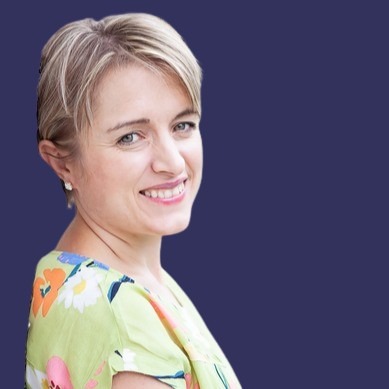
Gillian Harvey
Frilansskribent
Kandidatexamen (Hons) i engelska
Gillian är frilansskribent och kolumnist för en rad nationella tidningar och tidskrifter.
Om recensentenVisa fullständig biografi

Dr Colin Tidy, MRCGP
Allmänläkare, Medicinsk Författare
MBBS, MRCGP, MRCP (Paediatrics), DCH
Dr Colin Tidy är en NHS-läkare, baserad i Oxfordshire.
Artikelhistorik
Artikeln finns också på Engelska, Tyska, Spanska, Franska, Italienska, Portugisiska, Hindi, Hebreiska, Arabiska, och Svenska.
Next review due: 10 Jun 2028
10 Jun 2025 | Senaste versionen
10 Jun 2018 | Ursprungligen publicerad
Författad av:
Gillian Harvey
Dela dina tankar eller erfarenheter med andra i vår patientgemenskaper.
Enkel tillgång till pålitliga behandlingar och hälsotjänster online.
Common conditions
Get help with common conditions through the NHS, without a GP appointment.





Anmäl dig till Patientens nyhetsbrev
Din veckovisa dos av tydliga, pålitliga hälsoråd - skrivna för att hjälpa dig känna dig informerad, självsäker och i kontroll.
Genom att prenumerera accepterar du våra Sekretesspolicy. Du kan avsluta prenumerationen när som helst. Vi säljer aldrig dina uppgifter.