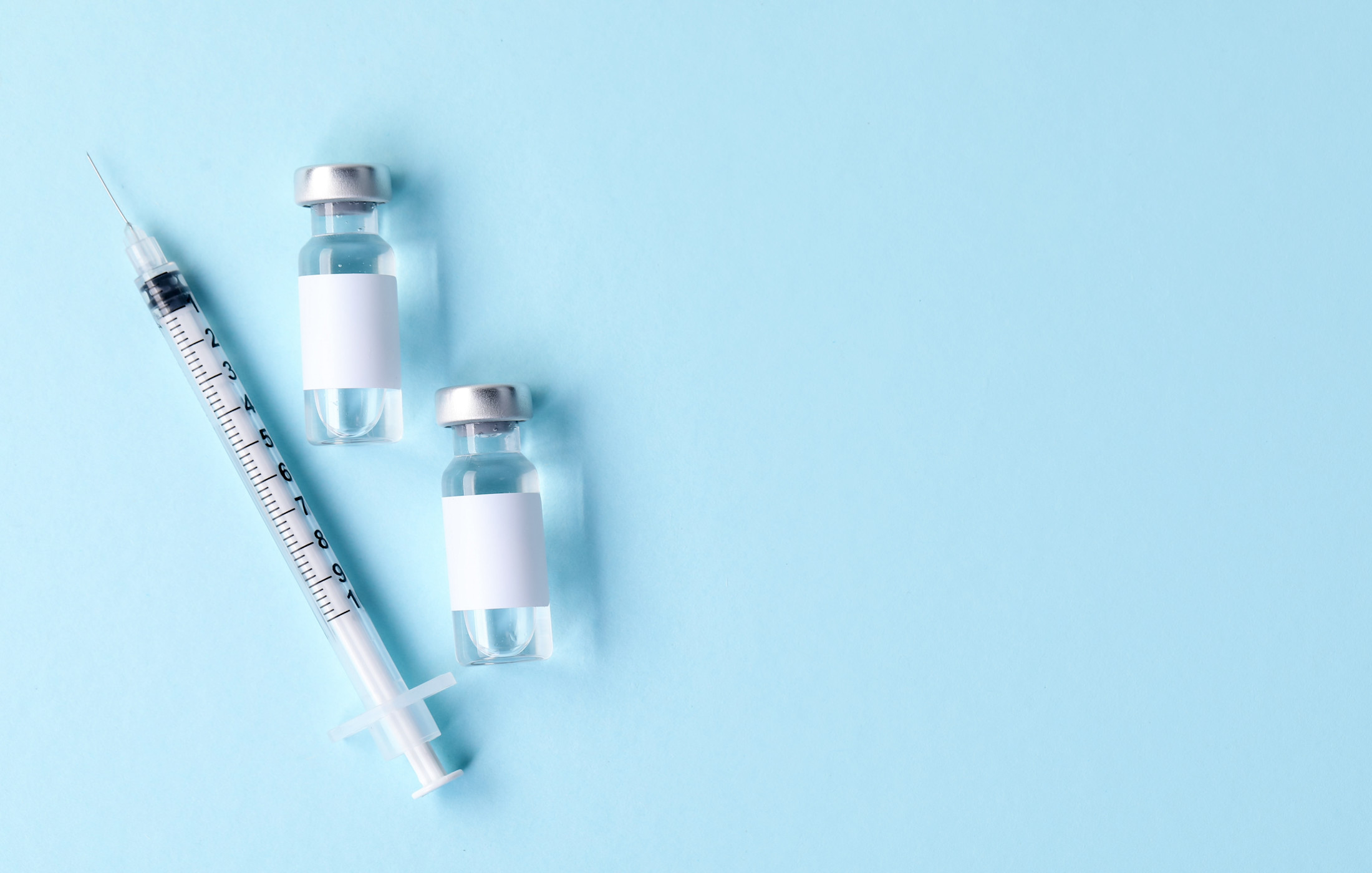
Do you need the meningitis vaccine?
Granskad av Dr Sarah JarvisSenast uppdaterad av Danny ChadburnSenast uppdaterad 24 Aug 2017
Uppfyller patientens redaktionella riktlinjer
- Ladda nerLadda ner
- Dela
- Language
- Diskussion
- Ljudversion
- Lägg till i föredragna källor på Google
If you’re in your late teens or early twenties, the chances are your doctor, school, parents, social media adverts or a load of leaflets at university have all suggested you have the meningit vaccine - but do you really need it?
What is meningitis vaccine?
Den meningitis vaccine, also known as the MenACWY vaccine, protects against four of the meningococcal strains of bacteria that cause meningitis - A, C, W and Y.
"One in ten people in the general population carry these bacteria harmlessly in the back of their nose and throat. In teens however, where activities like kissing and sharing drinks mean it gets passed around more readily, one in four people carry the bacteria - which increases the risk of passing it on," says Claire Wright, evidence and policy manager from the Meningitis Research Foundation.
How do you get meningitis?
Some elements of teen and student life increase risk of meningitis transmission. Hjärnhinneinflammation isn't actually that easy to catch but activities that put you at risk include kissing, coughing or sneezing on someone in close proximity - such as at a gig, festival or club - drinking from the same bottle or glass, or sharing cigarettes.
If you're at university, or about to start university for the first time, you'll be mixing, maybe even living, with people from all over the country and the world, exposing your immune system to bugs it hasn't met before - this increases your risk of succumbing to them. This is why doctors particularly want teens and young adults protected against the risk by getting the meningitis vaccine.
How common is meningitis?
On average there are around 3,200 cases of bacterial meningitis a year; after babies, 16-25 year olds are the age group most affected.
Experts are currently worried about an increase in cases associated with a particularly aggressive MenW strain, called ST-11 - in 2009/10 there were only 22 cases in England, but this went up to 210 cases in 2015/16. Scarily, one in seven teenagers infected with MenW don't survive.
How to prevent meningitis
Having the meningitis vaccine doesn't just protect you. Because teens and young adults are the biggest carriers of meningococcal bacteria, they are also the ones most likely to spread it. "What we have found, therefore, is that vaccinating teens against a strain of meningitis bacteria causes rates of infection for that strain to drop in everyone," says Wright. "When the government started vaccinating teens against meningitis C in 1999, rates fell across the whole population."
However, in 2016 only 33% of eligible people had the ACWY meningitis vaccine so this 'herd protection' is not as good as it could be.
How to get the meningitis vaccine
How and when you get the meningitis vaccine depends on your age. Claire Donovan, head of information and research at Meningitis Now says, "If you're 14 or younger, the meningitis vaccine will be offered to you at school at the same time as your booster dose for tetanus, diphtheria or polio. A catch-up programme offers the vaccine to those up to 18 years of age."
When and where you'll be offered this catch-up depends on your age and where you live. School leavers, for example, are being offered the meningitis vaccine through their GP and will be invited to attend their surgery or an injection site. Donovan says, "First-year university students under the age of 25 are also eligible for the meningitis vaccine but should contact their GP to make an appointment."
If you were born after 1 September 1996 and missed the meningitis vaccine at school for any reason, you are entitled to the jab as a part of the NHS vaccination programme; you can take advantage of this up to the age of 25.
How to spot symptoms of meningitis
Even if you have the meningitis jab, "it doesn't cover all strains of meningitis nor is every vaccine 100% effective," says Donovan. "To protect yourself and your friends it's still important to be aware of symptom på hjärnhinneinflammation."
Meningitis symptoms include:
Feber.
Kräkningar.
Sömnighet.
Stiff neck.
Svår huvudvärk.
A dislike of bright lights.
Pale blotchy skin with spots or a rash - don't wait for a rash before seeking help, as this can be a late sign, or may not appear at all
If you notice any meningitis symptoms, call your GP or go to A&E immediately. If meningitis is suspected you will be given antibiotics to fight the disease - the earlier these are given the better. In some cases, people in close contact with you might also be offered antibiotics to reduce risk of infection.
Meningitis is often successfully treated - but it can take a while to recover from it. It seems the best cure really is prevention, so start thinking about getting the meningitis vaccine before going to uni.
Patientval för Hjärnhinneinflammation och sepsis

Infektioner
Varningssignaler för hjärnhinneinflammation och sepsis som alla bör känna till
Bacterial meningitis and septicaemia (or sepsis) are serious, life-threatening illnesses and everyone should know the warning signs. We asked Linda Glennie, director of research at Meningitis Research Foundation what you need to know in order to best protect yourself and your family against the diseases.
av Natalie Healey

Infektioner
Bör du och din familj få vaccin mot hjärnhinneinflammation?
Hjärnhinneinflammation är ett allvarligt tillstånd, men det orsakas inte av en enda bakterie - bakterier, virus och till och med svampar kan leda till infektion. Lyckligtvis finns det vaccinationer mot hjärnhinneinflammation tillgängliga.
av Danny Chadburn
Om författaren

Danny Chadburn
Innehållschef
Danny var tidigare innehållschef på Patient.
Om recensentenVisa fullständig biografi

Dr Sarah Jarvis
Klinisk konsult
MA (Cantab), BM, BCh (Oxon), DRCOG, FRCGP, MBE
Efter att ha utbildat sig i medicin vid Cambridge och Oxford blev Dr Sarah Jarvis MBE allmänläkare.
Artikelhistorik
Informationen på denna sida är granskad av kvalificerade kliniker.
Artikeln finns också på Engelska, Tyska, Spanska, Franska, Italienska, Portugisiska, Hindi, Hebreiska, Arabiska, och Svenska.
24 Aug 2017 | Senaste versionen

Fråga, dela, anslut.
Bläddra i diskussioner, ställ frågor och dela erfarenheter inom hundratals hälsorelaterade ämnen.

Känner du dig sjuk?
Bedöm dina symtom online gratis
Anmäl dig till Patientens nyhetsbrev
Din veckovisa dos av tydliga, pålitliga hälsoråd - skrivna för att hjälpa dig känna dig informerad, självsäker och i kontroll.
Genom att prenumerera accepterar du våra Sekretesspolicy. Du kan avsluta prenumerationen när som helst. Vi säljer aldrig dina uppgifter.
Mer om infektioner
- Can you catch a cold in summer?
- Kan du leva ett långt och hälsosamt liv med HIV?
- Kan ett botemedel mot förkylning vara på väg?
- Avfärda vanliga myter om HIV och AIDS
- Hemma-STD-tester: hur de fungerar och vad du kan förvänta dig
- Hur vet du om du har HIV?
- Hur man undviker huvudlöss vid skolstart
- Hur du bokar din influensavaccination innan vintern
- Hur man skiljer mellan vintervirus hos barn
- Hur kommer det nya influensavaccinationsprogrammet att fungera?
- Är det enkelt att göra ett HIV-test?
- Skydda din sexuella hälsa på universitetet
- Should HIV prevention pills be available on the NHS?
- Bör skolor eller föräldrar bekämpa löss?
- Video: Hur sprids huvudlöss?
- What is Hantavirus? Everything you need to know about this rare but serious virus
- Vad du ska göra om du har ett infekterat inåtväxande hårstrå
- När man ska söka medicinsk behandling för influensa
- Vilka livsmedel hjälper till att bekämpa infektioner?
- Varför du ständigt behöver kissa