
Varför att bli skallig kan allvarligt påverka din mentala hälsa
Granskad av Dr Sarah JarvisFörfattad av Dr Max Pemberton, MRCPsychUrsprungligen publicerad 8 Mar 2019
Uppfyller patientens redaktionella riktlinjer
- Ladda nerLadda ner
- Dela
- Language
- Diskussion
- Ask Patient
- Ljudversion
- Lägg till i föredragna källor på Google
De flesta män börjar märka tunnare hår eller en vikande hårfäste i 20-årsåldern. Men även om manligt håravfall är otroligt vanligt, kan det fortfarande vara mycket påfrestande och påverka självkänslan negativt. Dr Max Pemberton utforskar den psykologiska påverkan av att bli tunnhårig och vad man kan göra om man förlorar sitt självförtroende tillsammans med sitt hår.
Stöd för psykisk hälsa för vuxna och barn
Online-KBT och psykologisk terapi för vuxna och barn i åldern 8–17 år. Onebrights ackrediterade kliniker hjälper personer som upplever ångest, depression och andra känslomässiga utmaningar.
By the age of 50, half of all men will have noticeable hair loss. By the age of 60, it will affect around two thirds. The majority of men, therefore, will at some point in their life, have hair loss.
It's so common, in fact, going bald could be considered a normal part of being male. It's actually more unusual inte to go bald. Yet despite how common male pattern baldness is, it causes untold distress and anguish to men. It's strongly associated with the development of depression, anxiety and poor self-image.
Shameful secret
I work in mental health and I see a surprising number of men who confide in me that the distress they experienced from their hair loss has led to their mental health problems. Yet men rarely discuss openly how much upset their hair loss is causing them. It's a shameful secret.
Sometimes the first anyone knows that it's even been on their mind is when they have a hair transplant. I have one friend who started going bald in his 20s. He was so upset about it, he told me later, that he would sometimes feel unable to leave the house. He had stubble tattooed on to his head (an increasingly popular intervention that looks very convincing) to give him a full hairline. His wife, who he met after the procedure still doesn't know that what she thinks is his hair is actually a clever tattoo.
I find it incredible that they've been together five years, yet he still doesn't feel able to open up to her about his hair loss and what he's had done but it shows how sensitive this is for men.
Even more take anti-hair loss medication, such as finasteride, on the quiet. It seems astonishing that something that is going to affect the majority of us at some point in our lives is still considered so shameful and embarrassing. Those who try to do something are mocked for being vain, while those who are balding are mocked and ridiculed for being old and unattractive.
I know of at least four of my friends taking finasteride, and that's just those who have confided in me. I suspect there are many more, but they feel unable to discuss it because hair loss is such a sensitive issue for so many men.
A reminder of our own mortality
What's more, it doesn't just affect older men. A fifth of men will experience significant hair loss by the age of 20, meaning that this is something that is an issue affecting many of us, both young and old alike.
In fact, I think society really fails to grasp quite the level of distress hair loss can cause men. It tends not to matter how many times it is stated that many people find baldness attractive; the process of going bald is still bound up with a loss of virility and masculinity, in a way that the menopaus is often linked to a loss of femininity for women.
There's an enduring idea that a man's hair is linked with ideas of strength and power - think of the biblical story of Samson and Delilah, where the source of his strength was his hair until she cut it off while he was sleeping. The image of a fat, balding old man who is mocked because of his looks strikes horror into the heart of many young men who find themselves thinning.
But it's more than just a fear of being laughed at. Because of its association with ageing, baldness reminds us of our mortality. It speaks on a deep level to how we perceive ourselves and how we think others view us. There is a sense of powerlessness and impotence - our bodies out of control.
Anxieties around hair loss often get bound up with other anxieties about our bodies and feed into insecurities about our appearance or low self-esteem. Single men often worry that they will never find a partner, and those with a partner worry that as they lose their hair their partners will stop finding them attractive.
Bald strokes?
Of course, many men are able to embrace their thinning hair. Just look at Bruce Willis and Jason Statham. Some guys adopt a close-shaved look and frame it in terms of evidence of their masculinity and manliness. Good for them. For those who struggle to accept the change and lament their hair loss, there is a multi-billion pound industry that, I'm sorry to say, promises a lot but tends not to deliver.
There is no magic pill or miracle surgery to reverse hair loss. Even finasteride only actually causes re-growth of hair in a small number of people who take it, with it simply slowing the rate of loss for most. It only provides about 30% improvement in hair loss over six months. Hair grafts and transplants have limitations and are very costly with results varying considerably. Shampoos and lotions and potions have limited - if any - effect.
That's why I often recommend men who are struggling with going bald see a clinical psychologist to have a course of kognitiv beteendeterapi (CBT) to address their distress and help them to change their thinking about their hair loss. It sounds unlikely, but it really does work.
The fact is, it is much easier - and cheaper - to learn to accept the hair loss than it is to reverse it.
Patientval för Hair and scalp
Hud, nagel och hårhälsa
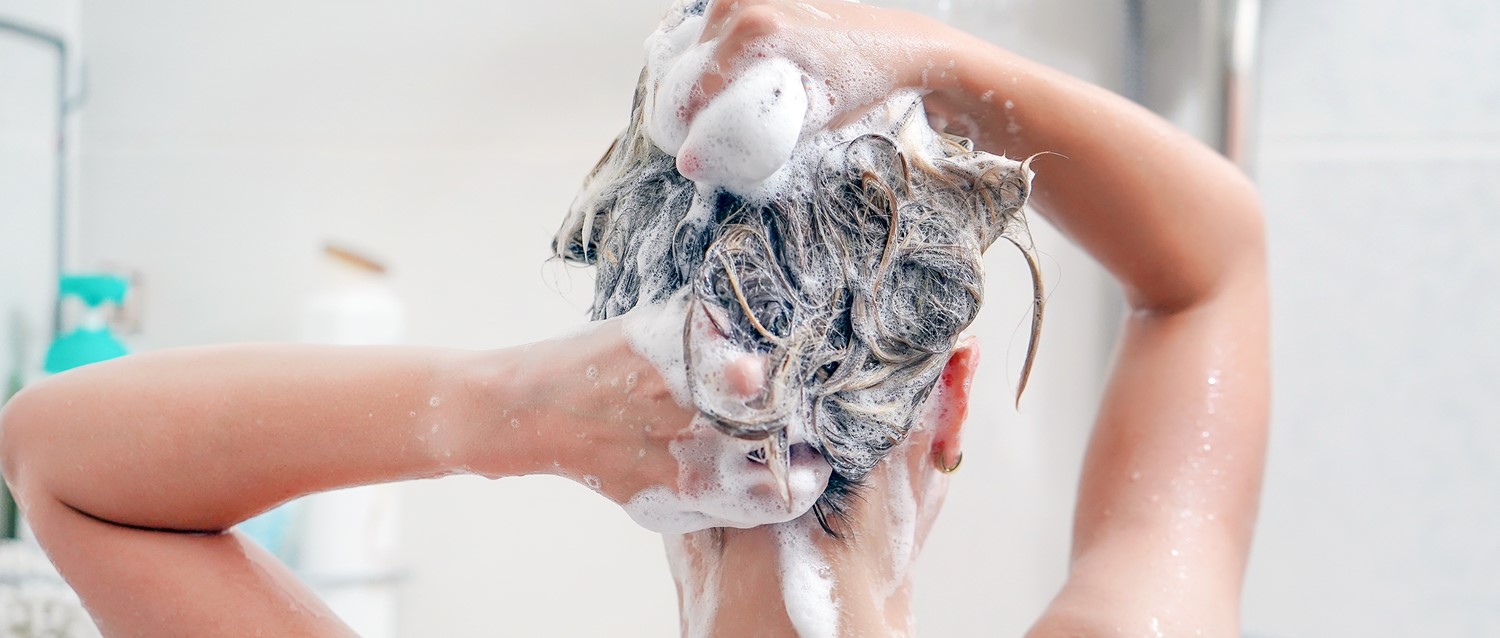
Hur ofta bör du tvätta håret?
While you likely have a hair care routine that works for you and your lifestyle, can you be sure you are washing your hair at the correct times and using the best products for your hair type? Let's explore how frequently you should be washing your hair (it's probably less often than you think) and the simple methods you can use to discover what type of hair you have.
av Emily Jane Bashforth
Hud, nagel och hårhälsa
4 vanliga vinterhårproblem - och hur du behandlar dem
In winter, we're constantly going between the chilly, outdoor weather and indoor, central heating. Both these conditions can be harsh on our hair, depriving it of the moisture it needs to stay healthy and full. We asked a hair specialist for tips on preventing the most common winter hair problems, and explore other possible health issues that could be linked to your hair troubles.
av Victoria Raw
Om författarenVisa fullständig biografi
Författad av

Dr Max Pemberton, MRCPsych
Psychiatrist and media doctor
MRCPsych
Max Pemberton is a doctor, journalist and writer. He is based in London and works in mental health.
Om recensentenVisa fullständig biografi

Dr Sarah Jarvis
Klinisk konsult
MA (Cantab), BM, BCh (Oxon), DRCOG, FRCGP, MBE
Efter att ha utbildat sig i medicin vid Cambridge och Oxford blev Dr Sarah Jarvis MBE allmänläkare.
Artikelhistorik
Artikeln finns också på Engelska, Tyska, Spanska, Franska, Italienska, Portugisiska, Hindi, Hebreiska, Arabiska, och Svenska.
8 Mar 2019 | Ursprungligen publicerad
Författad av:
Dr Max Pemberton, MRCPsychGranskad av
Dr Sarah Jarvis
Dela dina tankar eller erfarenheter med andra i vår patientgemenskaper.
Enkel tillgång till pålitliga behandlingar och hälsotjänster online.
Common conditions
Get help with common conditions through the NHS, without a GP appointment.





Anmäl dig till Patientens nyhetsbrev
Din veckovisa dos av tydliga, pålitliga hälsoråd - skrivna för att hjälpa dig känna dig informerad, självsäker och i kontroll.
Genom att prenumerera accepterar du våra Sekretesspolicy. Du kan avsluta prenumerationen när som helst. Vi säljer aldrig dina uppgifter.