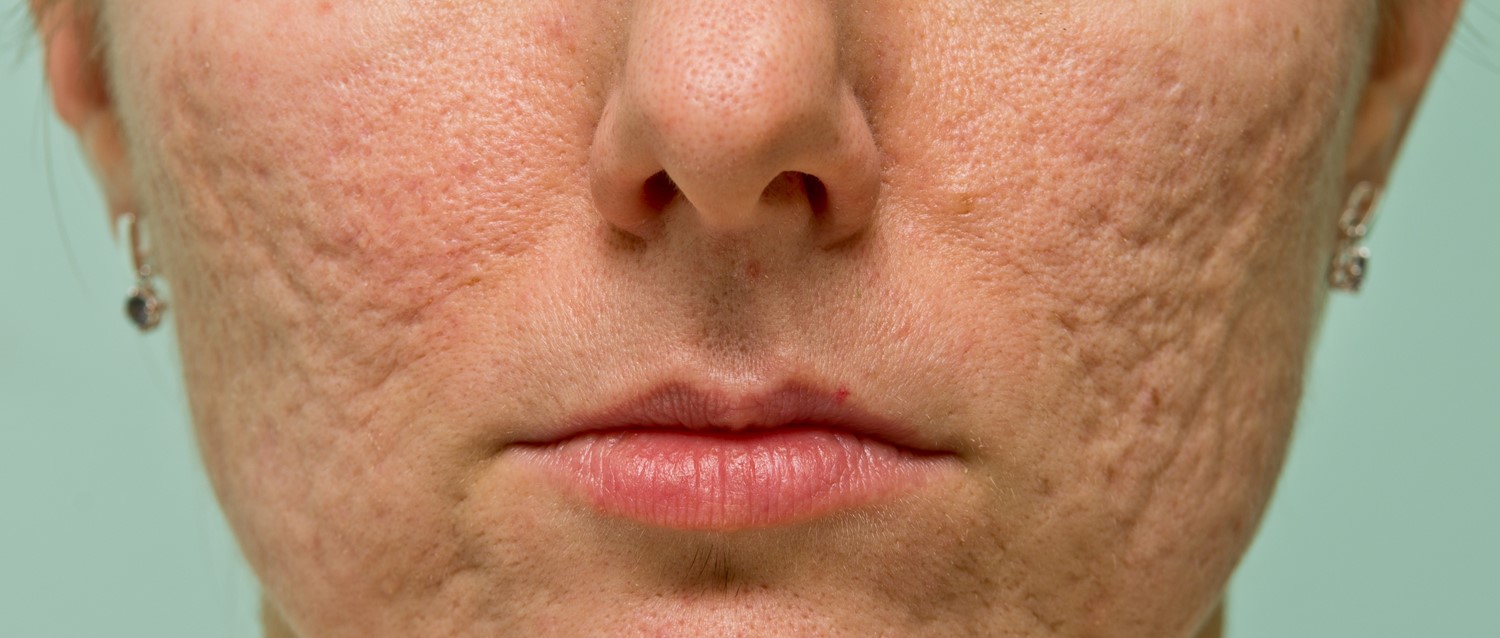
Does Bio-Oil help acne scars?
Peer reviewed by Dr Colin Tidy, MRCGPAuthored by Emily Jane BashforthOriginally published 30 Jul 2022
Meets Patient’s editorial guidelines
- DownloadDownload
- Share
- Language
- Discussion
- Audio Version
- Add to preferred sources on Google
Bio-Oil is a cosmetic oil that many claim can reduce the appearance of acne scars. Bio-Oil is both the name of the oil and the name of the product manufacturer. It's a cosmetic oil that claims to reduce the appearance of scars and stretch marks, but how accurate are these claims?
Need treatment for acne?
Start a quick online consultation through Patient.info, available 24/7.
Reviewed by UK-registered clinicians and powered by Evaro, a UK-regulated healthcare service. Treatment can often be delivered next day.

What is Bio-Oil?
Bio-Oil has been on the market since 1987 with claims that it helps improve the appearance of scars and stretch marks, at a time when almost every product on the shelf was either a cream or a lotion. To this day, many people hail it as the holy grail skincare product in their routine.
Does Bio-Oil help acne scars?
Bio-Oil's own healthcare professionals state that the product has been found to work "very well" on post-acne scarring and redness. They say it is also good for treating dryness caused by retinoid treatments. Bio-Oil is said to work best on scars that are less than three years old, as this means they aren't likely to be deep. Other factors influencing the depth of a scar include the depth of a wound/cut, and whether they are caused by skin conditions, like acne or chickenpox.
The product is believed to have been scientifically proven, with several studies over the years suggesting it can help with scarring. For example, a study monitored 44 people with acne scars between the ages of 14 and 30. 84% of participants who treated their scars with Bio-Oil saw an overall improvement and 90% noticed an improvement in scar colour1.
Another study found that 66% of participants noticed an improvement in their scars after just 15 days, while 92% saw an improvement after eight weeks2.
But as these studies were small the findings aren't conclusive. Generally, research doesn't tend to support the use of over-the-counter vitamin E products for treating scars3.
How does Bio-Oil work?
So, what's the science behind Bio-Oil? Well, it contains vitamin A, which can aid with the process of shedding dead skin cells and replacing them with younger cells.
Dr Catherine Borysiewicz, consultant dermatologist at the Cadogan Clinic, adds: "Bio-Oil contains a blend of plant oils and vitamins. Vitamin A helps to improve the skin's elasticity, reduce fine lines, address discolouration and also helps exfoliate, helping to heal scars. It also contains vitamin E which is good for hydrating and healing skin and may help reduce the appearance of scars."
Bio-Oil also contains calendula oil, a natural antioxidant that stimulates skin cell growth.
Dr Borysiewicz says, as Bio-Oil moisturises the skin, wound-healing is promoted.
It is worth pointing out that results are likely to differ from person to person, as with any skin product. So, try not to be disheartened if Bio-Oil reduces the appearance of a friend's acne scars but not yours. Scars and stretch marks are permanent, so reaching for Bio-Oil with the intention of getting rid of them completely might be setting yourself up for disappointment. While you can't remove scars completely, you can improve their appearance.
How should you apply Bio-Oil and how often for the best results?
Can you use Bio-Oil on your face?
Yes, before applying Bio-Oil, wash your face and make sure it is dry. Then, massage the oil into your skin, using circular motions until it is fully absorbed.
It is suggested that Bio-Oil should be used twice a day (morning and night) for optimum results.
Dr Borysiewicz stresses the importance of not applying it to broken skin. Applying it to cracked, bleeding or broken skin increases risk of infection.
Can Bio-Oil make your skin greasy?
Putting oil on to your face might feel unnatural as though it's destined to make your skin greasy. Bio-Oil, however, contains PurCellin, which reduces the thickness of its formula, making it easier to apply and more spreadable. As a result, it is lighter and less greasy than your typical oil.
Can Bio-Oil cause acne?
Despite recommending Bio-Oil for acne scars, experts are wary of recommending it for use on active acne. Despite being non-comedogenic (containing ingredients that won't clog pores), it's still an oil-based product that can make acne worse.
It isn't certain that Bio-Oil will make your acne worse or give you spots, and it is safe to use on your face. You also know your own skin best so, if your skin tolerates oils well, you can make a judgement as to whether Bio-Oil is suitable - if your main concern is dryness, it could be just what you need! But, if you're prone to acne, it might be worth exploring other options and contacting a dermatologist first.
What other treatments are there for acne scarring?
Luckily, Bio-Oil isn't the only option on the market for acne scars. There are various treatments available, but some might be less accessible or more costly, and depend on your scar type, skin type, and severity of the scarring.
Regarding home treatments, Dr Borysiewicz says: "Products containing ingredients such as alpha hydroxy acids, lactic acids, retinol, and salicylic acid can help improve the appearance of acne scarring."
But it's advised to speak with a dermatologist who can tailor a treatment plan to your individual requirements.
As for other treatments, acne scars can be reduced via:
Laser skin resurfacing.
Chemical skin peels.
Dermal fillers.
Micro-needling.
Dermabrasion.
Corticosteroid injections.
So, what's the verdict?
"It's important to remember that there is no silver bullet for getting rid of acne scars," says Dr Borysiewicz.
How long does Bio-Oil take to work?
"It takes time to improve the appearance of acne scarring. One product will not suit everyone and, depending on the severity of the acne scarring and skin quality, several treatments may be required. It's important to consult with a dermatologist on this journey."
Further reading
Patient picks for Acne

Skin, nail and hair health
Is your exercise routine giving you acne?
We all expect a sore muscle or two after a heavy workout session, but there's one side effect of exercise you probably didn't know about - acne. Yes, that's right, exercise can cause acne and it can occur all over your body. Dermatologist Dr Anjali Mahto explains why your workout could be causing breakouts.
by Andrea Downey

Skin, nail and hair health
Dealing with depression and anxiety caused by adult acne
Acne is a common skin condition which many of us have struggled with at some point, particularly during our teenage years. But for some people, acne continues well into adult life and can have a serious impact on mental well-being.
by Lydia Smith
About the authorView full bio

Emily Jane Bashforth
Feature Writer
NCTJ
Emily is a Feature Writer with Patient, writing articles on a variety of topics relating to health and well-being.
About the reviewerView full bio

Dr Colin Tidy, MRCGP
General Practitioner, Medical Author
MBBS, MRCGP, MRCP (Paediatrics), DCH
Dr Colin Tidy is an NHS Doctor, based in Oxfordshire.
Article history
Article also available in English, German, Spanish, French, Italian, Portuguese, Hindi, Hebrew, Arabic, and Swedish.
30 Jul 2022 | Originally published
Authored by:
Emily Jane BashforthPeer reviewed by
Dr Colin Tidy, MRCGP
Join the conversation
Share your thoughts or experiences with others in our patient communities.

Ask, share, connect.
Browse discussions, ask questions, and share experiences across hundreds of health topics.

Feeling unwell?
Assess your symptoms online for free
Sign up to the Patient newsletter
Your weekly dose of clear, trustworthy health advice - written to help you feel informed, confident and in control.
By subscribing you accept our Privacy Policy. You can unsubscribe at any time. We never sell your data.
More in skin, nail and hair health
- 8 causes of back acne
- UpdatedDoes rosemary oil actually help hair grow?
- Does stress make skin problems worse?
- Does wearing make-up give you acne?
- Dry skin in winter: what cold weather can do to your skin
- Eczema, psoriasis, and ringworm: what's the difference?
- Everything you need to know about baby eczema
- Here's how to protect a bald head from the sun
- How to get rid of acne scars: your ultimate guide
- How to stop dry skin ruining your winter
- How to treat a horsefly bite
- Is aloe vera good for your skin?
- Neurocosmetics: a brain-changer for your health?
- Should you wear sunscreen even when it's cloudy?
- Skin condition videos
- The best ways to prevent and treat insect bites
- Tick bites: how to recognise and treat
- What causes itchy skin?
- What causes sudden eczema in adults?
- What to do if you have an infected ingrown hair