Hur man behandlar ett bromsbett
Granskad av Dr Krishna Vakharia, MRCGPSenast uppdaterad av Amberley DavisSenast uppdaterad 18 juni 2024
Uppfyller patientens redaktionella riktlinjer
- Ladda nerLadda ner
- Dela
- Language
- Diskussion
- Ask Patient
- Ljudversion
- Lägg till i föredragna källor på Google
Sommaren har många fördelar, men bromsbett är inte en av dem. Vet du hur man förhindrar dessa otrevliga insektsbett, vad som kan lindra din smärta och obehag, och vilka symtom som indikerar en möjlig infektion eller allergisk reaktion?
Find relief from bites and stings
Get expert healthcare advice from the comfort of home. Complete a quick online consultation, available 24/7, with your request reviewed by a UK-registered clinician. Next day delivery available on eligible treatments.

What is a horsefly?
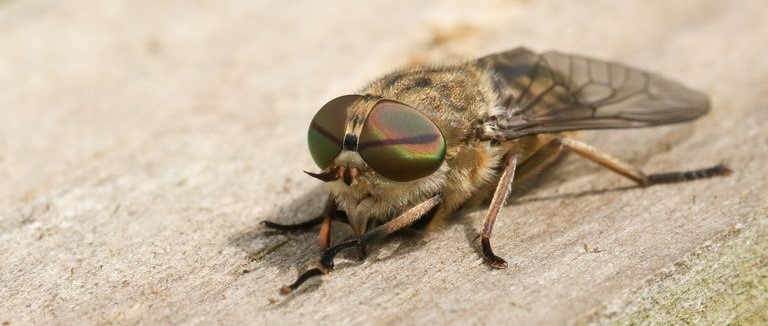
If you've spent a lot of time outdoors this summer, you may have spotted the short, sturdy horsefly, a member of the Tabanidae insect family.
Like houseflies, horseflies have large eyes and rather thick bodies, but they are larger in size - ranging from around 6-20 millimetres in length.
It's the female horsefly that's most intimidating, with a jaw shaped like scissor blades, called a mandible, which the fly uses to latch on to large animals and feed on blood. Horseflies are drawn to big, dark-coloured animals like horses, but this doesn't stop them from biting humans during the warm summer daylight hours, when they're most active1.
What does a horsefly bite look like?
Skin specialist Sreedar Krishna says: "A horsefly bite can look very similar to a mosquito bite, or any other form of insect bite, so it can be difficult to identify the exact offender.
"Typically, a horsefly bite will be a raised, itchy, and tender lump. The pain, redness and swelling can often expand a distance away from the initial bite."
What does a horsefly bite feel like?
Like other insect bites and stings, a horsefly bite can be painful and irritating. Common symptoms include:
A sharp, burning sensation.
Kliande.
Redness and swelling around the bite.
Sometimes, bruising around the bite.
The good news is these symptoms should disappear within a few hours or days.
Why are horsefly bites so painful?
On the downside, these typically short-lived symptoms often hurt more than other insect bites: "In contrast to other insects, horseflies bite through the skin using their sharp jaws rather than simply piercing the skin," says Krishna.
"Moreover, mosquitoes release a mild anaesthetic into the skin during bites which numbs the area. Horseflies do not, and so are appreciably more painful."
Are horsefly bites dangerous?
Aside from disrupting your summer with temporary pain and discomfort, a horsefly bite is generally not something to worry about. In fact, they are much more of a problem for their preferred target - horses - because horseflies can carry a disease that's life threatening to them (equine infectious anaemia, also known as 'swamp fever'2).
Horseflies do not transmit severe diseases to humans, but sometimes being bitten by a horsefly may cause an allergisk reaktion3 or lead to an infection.
Horsefly bite symptoms of concern
"You should seek medical attention immediately if you feel unwell after a horsefly bite - this can include feeling light-headed or dizzy," warns Krishna.
Infektion - the small puncture wound of a horsefly bite can also increase the risk of infection. Be sure to look out for signs of infection such as pus or a foul smell.
Anafylaxi - this severe allergic reaction requires urgent medical attention - call for an emergency ambulance (999 in the UK). Signs include worsening pain, wheezing, difficulty breathing, a rash that spreads, and swelling of the lips.
How to avoid horsefly bites
Apply insect repellent before going outside.
Wear light-coloured clothing - horseflies are attracted to darker colours.
Cover up your arms and legs and wear closed-toed shoes.
Don't wear any perfume - scents attract these flying insects.
Be wary during strenuous outdoor activities - horseflies love the scent of carbon dioxide, which you exhale in greater amounts during exercise3. Of course, exercise is important, so if you're going to be active ensure you use other protective measures in high-risk areas.
Know the high-risk horsefly bite areas - frequent hot spots include farms - as horseflies are attracted to horses and cattle - and warm water sources like ponds, streams, and rivers - as many horseflies lay their eggs near water and are most active during hot and humid conditions.
Avoid walking through long grass with exposed feet, ankles, and legs.
Hur man behandlar ett bromsbett
"Remember, in most cases time is a healer, although you will want something to help control the pain and irritation."
Krishna's advice on treating a horsefly bite:
Effective home remedies include applying an ice pack or a bag of frozen peas to the area. If the horsefly bite is on an area of skin you can elevate (such as your foot or hand), it would be worthwhile keeping it raised - for example, by lying down and propping it up with a cushion - as this will reduce swelling.
Over-the-counter antihistaminer such as cetirizine can help reduce itching and swelling.
Simple painkillers such as paracetamol, och anti-inflammatory medication such as ibuprofen, can help to reduce pain. You may wish to check with your doctor if you are allowed to take ibuprofen. For example, some people with asthma are advised to avoid anti-inflammatory medication.
Try your very best not to scratch the bite as this can break the skin and lead to infections.
How long do horsefly bites last?
"Assuming that the skin does not become infected, I would expect a horsefly bite to settle within seven days," advises Krishna. "If it does not, or the pain is worsening, I would recommend seeing your doctor for further guidance."
In most cases, the irritation and pain of horsefly bites are short-lived. Avoid spending the summer months worrying about these critters by following our prevention and treatment tips when you can and enjoying the warm weather!
Vidare läsning
Patientval för Stick och bett

Hud, nagel och hårhälsa
Vad du ska göra om du blir bränd av en manet
Runt 150 miljoner människor blir brända av maneter runt om i världen varje år. Medan vissa kan vara ofarliga, kan andra vara det inte, så att agera snabbt är nyckeln till att behandla ett sting för att förhindra allvarliga biverkningar eller dödsfall. Ta reda på här vad du ska göra och vad du inte ska göra.
av Victoria Raw

Hud, nagel och hårhälsa
När bör jag oroa mig för ett insektsbett?
Insect bites are common at this time of year - but what are the signs that a bite may require medical attention, and how can you tell which insect is responsible for which itch?
av Heather Ainsworth
Om författarenVisa fullständig biografi
Uppdaterad av

Amberley Davis
Seniorförfattare
BA (Hons), CPD
Amberley är en senior skribent hos Patient och har skrivit omfattande om en rad olika hälso- och välbefinnandeämnen.
Författad av
Amberley Davis
Seniorförfattare
BA (Hons), CPD
Amberley är en senior skribent hos Patient och har skrivit omfattande om en rad olika hälso- och välbefinnandeämnen.
Om recensentenVisa fullständig biografi

Dr Krishna Vakharia, MRCGP
Medicinsk chef för hälsa, Optum UK
MBChB, MRCGP(2013), BMedSci (hons), DFSRH, DRCOG, PGDipDerm (Distn)
Dr Krishna Vakharia är en NHS-läkare. Hon är också en regelbunden examinator för den postgraduate Diplom i Praktisk Dermatologi vid Cardiff University samt Chief Medical Officer för hälsa på Optum UK.
Artikelhistorik
Artikeln finns också på Engelska, Tyska, Spanska, Franska, Italienska, Portugisiska, Hindi, Hebreiska, Arabiska, och Svenska.
Nästa granskning: 17 jun 2027
18 juni 2024 | Senaste versionen
16 aug 2022 | Ursprungligen publicerad
Författad av:
Amberley Davis
Dela dina tankar eller erfarenheter med andra i vår patientgemenskaper.
Anmäl dig till Patientens nyhetsbrev
Din veckovisa dos av tydliga, pålitliga hälsoråd - skrivna för att hjälpa dig känna dig informerad, självsäker och i kontroll.
Genom att prenumerera accepterar du våra Sekretesspolicy. Du kan avsluta prenumerationen när som helst. Vi säljer aldrig dina uppgifter.