
How to delay your period - is it safe to take norethisterone?
Granskad av Dr Sarah JarvisSenast uppdaterad av Lydia SmithLast updated 17 Apr 2019
Uppfyller patientens redaktionella riktlinjer
- Ladda nerLadda ner
- Dela
- Language
- Diskussion
- Ljudversion
- Add to preferred sources on Google
Periods are a normal and healthy part of life, but there are times when we've all wished they wouldn't arrive. There are a number of ways to delay your period for a holiday or special event, including taking a medication called norethisterone. But is it safe?
I den här artikeln:
Video picks for Periods and period problems
Fortsätt läsa nedan
What is norethisterone?
Norethisterone is a synthetic progestogen that is similar to the progesterone hormone we naturally produce. During a menstrual cycle, the level of progesterone hormone falls which causes your womb lining to shed and your period to occur. If progesterone - or norethisterone - is taken throughout, the levels don't drop which prevents menstruation from taking place.
"Norethisterone is commonly used because it's familiar, it's something we've used for many years and it works," says Dr Prabha Sivaraman, a consultant gynaecologist at the My Gynae clinic in Manchester. "Generally it's safe for the purpose of postponing the period for a holiday - perfectly fine."
Claire*, 30, struggles with heavy periods and used norethisterone while on holiday. "I didn't want my period to disrupt my holiday and I didn't want to think about tampons while by the pool," she says. "Although the pills worked, I felt bloated and suffered period pain while taking them which affected my holiday a bit."
How do you take norethisterone?
Tillbaka till innehållThe medication has to be taken three days before your period is due and you will have to take one tablet three times a day for up to 20 days in total. This will delay your period for this amount of time and you should start bleeding two to four days after you stop taking the pills.
Fortsätt läsa nedan
Norethisterone side effects
Tillbaka till innehållNorethisterone is safe for most women to use on an occasional basis, but it is not recommended to use this to delay your period regularly.
There are also some side effects associated with taking the medication. "Women may experience side effects such as low mood, acne, breast tenderness, fluid retention and loss of libido," says Miss Meg Wilson, a gynaecologist at London Gynaecology.
It's important to note that how well it works varies between women, however. It's also not a preventivmetod, and while taking it you will still need to protect yourself using another method, such as condoms, to avoid pregnancy.
Is there anyone who should avoid taking norethisterone?
Tillbaka till innehåll"Norethisterone is safe for the majority of women," Wilson says. "It should not be used for women who have suffered with liver tumours, bröstcancer, a history of jaundice during pregnancy, and severe vascular disease."
You should avoid taking the medication if you are pregnant or think you could be, if you are breastfeeding, if you have abnormal vaginal bleeding that hasn’t been investigated by a doctor, or if you have a known, suspected or past history of genital or breast cancer (unless you have been prescribed norethisterone to treat breast cancer).
Those who have recently had angina, a heart attack or a stroke caused by a blood clot should also avoid taking norethisterone.
Dr Lucinda Farmer, spokesperson for the Faculty of Sexual and Reproductive Healthcare (FSRH), says norethisterone has been shown to be partly metabolised to become the oestrogen hormone ethinylestradiol.
"Women being prescribed 5 mg of norethisterone to postpone menstruation could be exposed to 20-60 mcg of ethinylestradiol a day, which is equivalent to the amount found in two combined contraceptive pills," she says. "Care should be taken when prescribing these doses of norethisterone in women with contra-indications to the combined pill, especially women presenting with risk factors for venous thromboembolism."
Fortsätt läsa nedan
How else can you delay your period?
Tillbaka till innehållAlthough norethisterone is safe and can work well for many women who want to occasionally postpone their period, it can come with side effects - so it's worth trying it out before your holiday to see how it will affect you. Before you delay your period, you should speak with your GP who can advise the best option for you.
There's no guaranteed way to postpone your period, but it might be possible if you take the combined contraceptive pill (often just called the pill) back-to-back. In fact, the FRSH has recently changed its guidance on taking the pill. They point out that there's no harm from missing 'periods' on the pill, because they're not actually periods at all - they're withdrawal bleeds when the daily dose of hormone is withdrawn for a week.
They suggest doctors should offer all women the choice of taking the pill for three weeks with a four-day, rather than a seven-day, break; taking the pill without any break; taking a break after every third pack rather than after every pack; or taking the pill continuously until you have a breakthrough bleed.
If you are on the progestogen-only pill - also known as the mini pill - then this is taken every day of the month without a break. It is not possible to delay your period with this pill.
Phasic combined contraceptive pills contain different quantities of hormones in each pill, so you can't just take two packets back-to-back to delay your period. If you have been prescribed a phasic pill brand you should talk with your doctor before attempting to delay your period.
Some other forms of contraception, such as the injection or the Mirena coil, may make periods lighter or stop them altogether, but this is not the case for all women.
Trying to delay your period can also lead to breakthrough bleeding, which is bleeding at a time when you aren't expecting your period, due to hormonal fluctuations.
Patient picks for Periods and period problems
Kvinnors hälsa
Are period blood clots normal?
Ever wondered what those icky-sticky, thick clumps of blood in your period are? They're known as menstrual clots, or period blood clots, and they're formed from a mixture of blood cells, tissue from the lining of the womb, and proteins from your blood.
av Sarah Graham
Kvinnors hälsa
How to have a more eco-friendly period
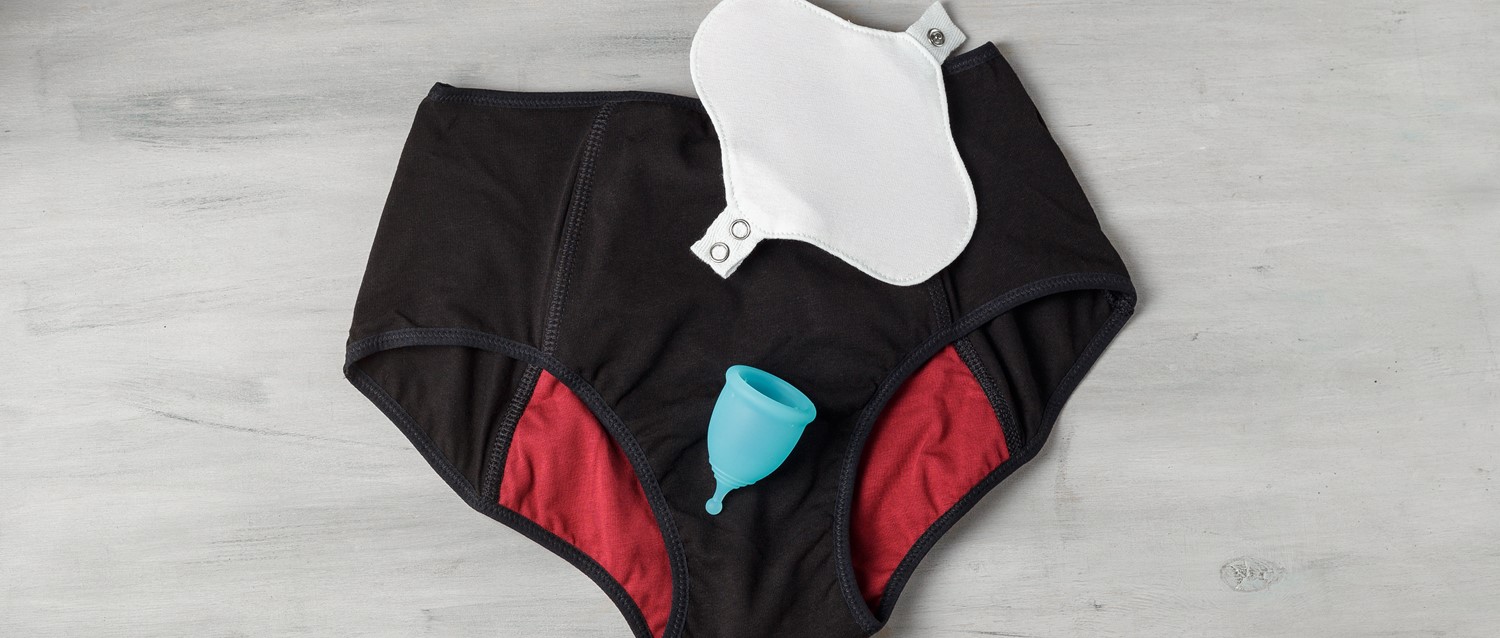
Single use menstrual products (such as tampons, applicators and pads), generate up to 200,000 tonnes of waste per year, as most period pads are made from 90% plastic. This is having a detrimental impact on the environment. In this article we explore how you can have a more sustainable period and do your bit for the planet while still practising self-care.
av Emily Jane Bashforth
Fortsätt läsa nedan
About the authorView full bio

Lydia Smith
Feature writer
BA, MA, MSc
Lydia Smith is an award-winning journalist and feature writer who has written extensively on women's health and mental health. She is currently studying for an MSc in psychology.
About the reviewerView full bio

Dr Sarah Jarvis
SEO Executive
MA (Cantab), BM, BCh (Oxon), DRCOG, FRCGP, MBE
After training in medicine at Cambridge and Oxford, Dr Sarah Jarvis MBE became a GP.
Artikelhistorik
Informationen på denna sida är granskad av kvalificerade kliniker.
17 Apr 2019 | Senaste versionen

Fråga, dela, anslut.
Bläddra i diskussioner, ställ frågor och dela erfarenheter inom hundratals hälsorelaterade ämnen.

Känner du dig sjuk?
Bedöm dina symtom online gratis
Anmäl dig till Patientens nyhetsbrev
Din veckovisa dos av tydliga, pålitliga hälsoråd - skrivna för att hjälpa dig känna dig informerad, självsäker och i kontroll.
By subscribing you accept our Sekretesspolicy. Du kan avsluta prenumerationen när som helst. Vi säljer aldrig dina uppgifter.