Hepatic veno-occlusive disease with immunodeficiency
Senast uppdaterad 2 Dec 2024
Uppfyller patientens redaktionella riktlinjer
- Ladda nerLadda ner
- Dela
- Language
- Diskussion
- Ask Patient
- Ljudversion
- Lägg till i föredragna källor på Google
Hepatic veno-occlusive disease with immunodeficiency (VODI) is a disorder of the liver and immune system. Its signs and symptoms typically appear before six months of age.
Videoval för Genetiska tillståndVideobibliotek
Beskrivning
Hepatic veno-occlusive disease with immunodeficiency (VODI) is a disorder of the liver and immune system. Its signs and symptoms typically appear before six months of age.
Hepatic veno-occlusive disease is a condition that blocks (occludes) small veins in the liver, disrupting blood flow in this organ. This condition can lead to enlargement of the liver (hepatomegaly), a buildup of scar tissue (hepatic fibrosis), and liver failure.
Children with VODI have immune systems that do not function normally. They are vulnerable to recurrent infections that are caused by certain bacteria, viruses, and fungi. Affected individuals experience frequent colds or bouts of pneumonia. The infections are likely related to lower-than-normal levels of immune system cells, including special proteins called antibodies or immunoglobulins, particularly immunoglobulin M (IgM), immunoglobulin G (IgG), and immunoglobulin A (IgA). Antibodies attach to specific foreign particles, marking them for destruction. These infections are usually serious and may be life-threatening. In most people with VODI, infections occur before hepatic veno-occlusive disease becomes evident.
Some children with VODI have neurological problems due to blocked blood flow in the brain.
If untreated, children with VODI do not survive past infancy. With treatment, many people with VODI can live into childhood and sometimes into their teens.
Inheritance patterns
The source lists the following possible inheritance patterns: Autosomal recessive. More than one pattern can apply in different cases.
Related genes
Other names
Familial veno-occlusive disease with immunodeficiency
Hepatic venoocclusive disease with immunodeficiency
Veno-occlusive disease and immunodeficiency syndrome
VODI
Related patient information and medicines
Patient information leaflet
Bowens sjukdom
Bowen's disease is a very early form of skin cancer. So, Bowen's disease is generally treated to stop this happening. For example, if you have AIDS, HIV and AIDs if you are undergoing treatment for cancer, have had an organ transplant, or have had medicines to suppress your immune system. Infektion with the human papillomavirus (HPV) HPV vaccine..
Patient information leaflet
Kattklössjuka
Cat scratch disease is a bacterial infection caused by cat scratches or bites. It causes swollen lymph nodes and other symptoms such as a fever. Kattklössjuka is an infection caused by a bacterium called Bartonella henselae. People with immunodeficiency, such as people with HIV or AIDS, HIV and AIDs or taking treatment that suppresses the.
Patient information leaflet
Sjukdomsmodifierande antireumatiska läkemedel
Disease-modifying antirheumatic drugs (DMARDs) are medicines that are normally prescribed as soon as reumatoid artrit (RA) is diagnosed, in order to reduce damage to the joints. Rarely, they can have serious side-effects affecting the blood, liver, or kidneys. DMARDS are usually taken for the rest of your life. Arthritis means inflammation of.

Patient information leaflet
Leversjukdom och alkohol
Alcohol abuse can lead to three main types of liver diseases: fatty levern , hepatit och 'scarring' of the liver ( cirrhosis ). It can also lead to other health problems. What is alcoholic liver disease. Dr Sarah Jarvis MBE, GP and Clinical Director at Patient.info Drinking too much alcohol can lead to three main types of liver conditions: fatty.

Patient information leaflet
Bedömning av kardiovaskulär hälsorisk
A cardiovascular health risk assessment provides an accurate estimate of your risk of developing kardiovaskulär disease (eg, angina, heart attack, stroke or peripheral arterial disease) over the following 10 years, and provides an opportunity for you to make any changes that will reduce this risk. If you already have a cardiovascular disease or.
Patient information leaflet
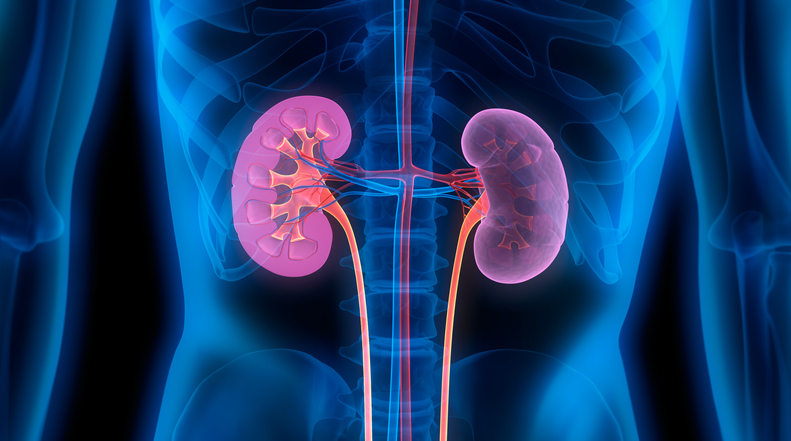
Kronisk njursjukdom
Kronisk njursjukdom means that the njurar är not working as well as would be expected. Various conditions can cause chronic kidney disease. Chronic kidney disease tends to become worse gradually over months or years. What is chronic kidney disease. Chronic kidney disease (CKD) means that the kidneys are not working as well as they used to,.
Vidare läsning och referenser
- Hepatic veno-occlusive disease with immunodeficiency; MedlinePlus, National Library of Medicine.
- Cliffe ST, Wong M, Taylor PJ, Ruga E, Wilcken B, Lindeman R, Buckley MF, Roscioli T. The first prenatal diagnosis for veno-occlusive disease and immunodeficiency syndrome, an autosomal recessive condition associated with mutations in SP110. Prenat Diagn. 2007 Jul;27(7):674-6. doi: 10.1002/pd.1759.
- Hamdoun O, Al Mulla A, Al Zaabi S, Shendi H, Al Ghamdi S, Hertecant J, Al-Shibli A. Unique Mutation in SP110 Resulting in Hepatic Veno-Occlusive Disease with Immunodeficiency. Case Rep Pediatr. 2020 Jan 10;2020:3460631. doi: 10.1155/2020/3460631. eCollection 2020.
- Roscioli T, Cliffe ST, Bloch DB, Bell CG, Mullan G, Taylor PJ, Sarris M, Wang J, Donald JA, Kirk EP, Ziegler JB, Salzer U, McDonald GB, Wong M, Lindeman R, Buckley MF. Mutations in the gene encoding the PML nuclear body protein Sp110 are associated with immunodeficiency and hepatic veno-occlusive disease. Nat Genet. 2006 Jun;38(6):620-2. doi: 10.1038/ng1780. Epub 2006 Apr 30.
- Wong M. Hepatic Veno-Occlusive Disease with Immunodeficiency. 2007 Feb 21 [updated 2025 Jan 23]. In: Adam MP, Bick S, Mirzaa GM, Wallace SE, Amemiya A, editors. GeneReviews(R) [Internet]. Seattle (WA): University of Washington, Seattle; 1993-2026. Available from http://www.ncbi.nlm.nih.gov/books/NBK1271/
Artikelhistorik
Artikeln finns också på Engelska, Tyska, Spanska, Franska, Italienska, Portugisiska, Hindi, Hebreiska, Arabiska, och Svenska.
2 Dec 2024 | Senaste versionen
1 Dec 2024 | Ursprungligen publicerad
Dela dina tankar eller erfarenheter med andra i vår patientgemenskaper.
Enkel tillgång till pålitliga behandlingar och hälsotjänster online.
Common conditions
Get help with common conditions through the NHS, without a GP appointment.





Anmäl dig till Patientens nyhetsbrev
Din veckovisa dos av tydliga, pålitliga hälsoråd - skrivna för att hjälpa dig känna dig informerad, självsäker och i kontroll.
Genom att prenumerera accepterar du våra Sekretesspolicy. Du kan avsluta prenumerationen när som helst. Vi säljer aldrig dina uppgifter.