Mal de Meleda
Senast uppdaterad 18 aug 2020
Uppfyller patientens redaktionella riktlinjer
- Ladda nerLadda ner
- Dela
- Language
- Diskussion
- Ask Patient
- Ljudversion
- Lägg till i föredragna källor på Google
Mal de Meleda is a rare skin disorder that begins in early infancy. Affected individuals have a condition known as palmoplantar keratoderma, in which the skin of the palms of the hands and soles of the feet becomes thick, hard, and callused. In mal de Meleda, the thickened skin is also found on the back of the hands and feet and on the wrists and ankles. In addition, affected individuals may have rough, thick pads on the joints of the fingers and toes and on the elbows and knees. Some people with mal de Meleda have recurrent fungal infections in the thickened skin, which can lead to a strong odor. Other features of this disorder can include short fingers and toes (brachydactyly), nail abnormalities, red skin around the mouth, and excessive sweating (hyperhidrosis).
Videoval för Genetiska tillståndVideobibliotek
Beskrivning
Mal de Meleda is a rare skin disorder that begins in early infancy. Affected individuals have a condition known as palmoplantar keratoderma, in which the skin of the palms of the hands and soles of the feet becomes thick, hard, and callused. In mal de Meleda, the thickened skin is also found on the back of the hands and feet and on the wrists and ankles. In addition, affected individuals may have rough, thick pads on the joints of the fingers and toes and on the elbows and knees. Some people with mal de Meleda have recurrent fungal infections in the thickened skin, which can lead to a strong odor. Other features of this disorder can include short fingers and toes (brachydactyly), nail abnormalities, red skin around the mouth, and excessive sweating (hyperhidrosis).
Inheritance patterns
The source lists the following possible inheritance patterns: Autosomal recessive. More than one pattern can apply in different cases.
Related genes
Other names
Acroerythrokeratoderma
Keratosis palmoplantaris transgrediens of Siemens
Meleda disease
Transgrediens palmoplantar keratoderma of Siemens
Related patient information and medicines
Patient information leaflet
Typer av anfall
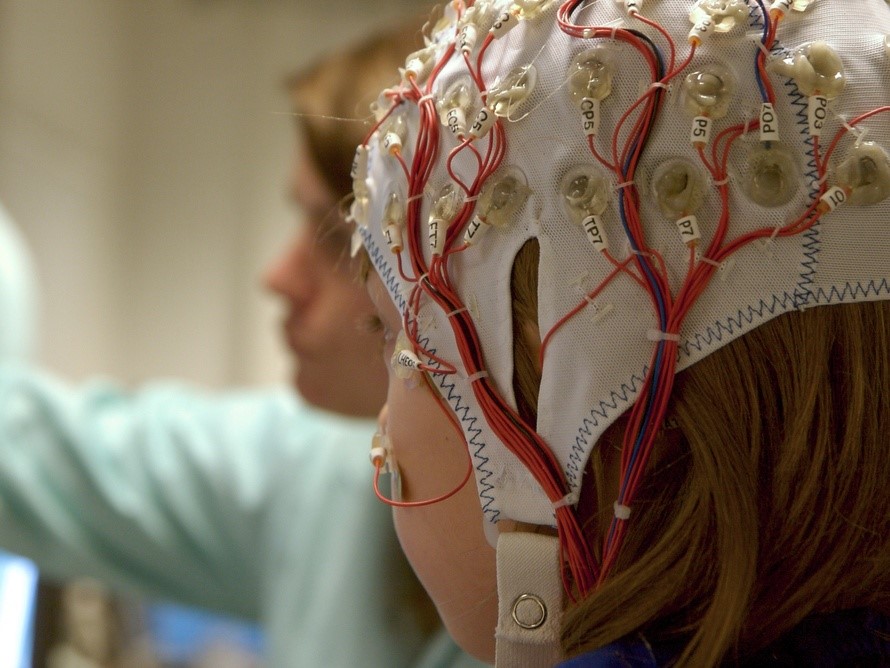
A seizure is a condition caused by a sudden burst of electrical activity in the brain. There are different types of seizures. The symptoms tend to be general and ... There are various types of generalised seizure: Tonic-clonic seizures Tonic-clonic seizures (which used to be called grand mal seizures) are the most common type of generalised.
Patient information leaflet
Absensepilepsi
Absence seizures usually occur only in children and young people. Most people with this type of epilepsy grow out of it by the time they are adults. This leaflet discusses only the type of epilepsy with typic... There are other types of 'atypical' absence seizures not dealt with in this leaflet. What is an absence seizure. Absence seizure.
Patient information leaflet
Åksjuka
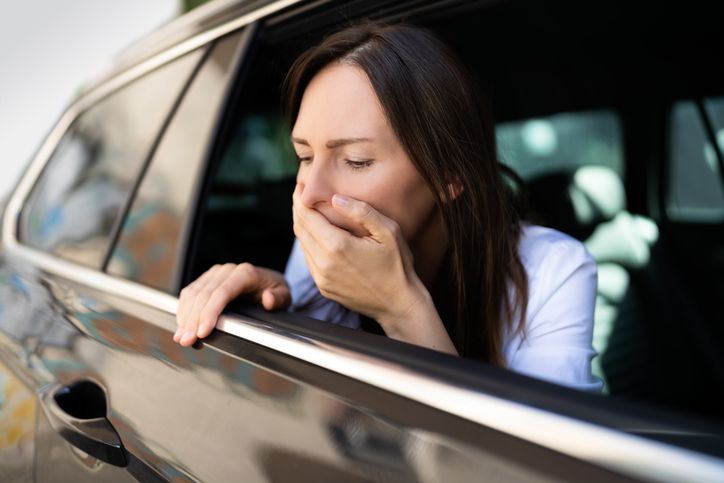
Den sensation, also called 'mal de debarquement' (French for sickness on disembarking), refers to the sensation that some people experience after travel on a boat, train or plane, when they continue to feel for some time as though the ground is rocking beneath their feet. It does not usually require any treatment. Persistent mal de debarquement.
Patient information leaflet
Växtvärk
Growing pains are aches, usually in the legs, which are common in children. It is not known what causes growing pains but, despite the name, they are not due to growing. They are not serious, and settle in time of their own accord. See a doctor if there is anything unusual to see on the legs, or if the ac... What are growing pains. Growing pains.
Patient information leaflet
Mallory-Weiss-rift
Mallory-Weiss syndrome (also called Mallory-Weiss tear) is the name given to bleeding and other symptoms caused by a tear in the lining of the upper part of the gut (gastrointestinal tract).
Patient information leaflet
Lokaliserad sklerodermi
Localised scleroderma causes one or more patches of hard skin. There are different types. The common plaque type usually causes no problems (apart from sometimes an unsightly appearance) and tends to fade in time. Often no treatment is needed for the plaque type but treatment may be advised in more severe cases and for the linear type. What is.
Vidare läsning och referenser
- Mal de Meleda; MedlinePlus, National Library of Medicine.
- Arredondo J, Chernyavsky AI, Webber RJ, Grando SA. Biological effects of SLURP-1 on human keratinocytes. J Invest Dermatol. 2005 Dec;125(6):1236-41. doi: 10.1111/j.0022-202X.2005.23973.x.
- Chimienti F, Hogg RC, Plantard L, Lehmann C, Brakch N, Fischer J, Huber M, Bertrand D, Hohl D. Identification of SLURP-1 as an epidermal neuromodulator explains the clinical phenotype of Mal de Meleda. Hum Mol Genet. 2003 Nov 15;12(22):3017-24. doi: 10.1093/hmg/ddg320. Epub 2003 Sep 23.
- Eckl KM, Stevens HP, Lestringant GG, Westenberger-Treumann M, Traupe H, Hinz B, Frossard PM, Stadler R, Leigh IM, Nurnberg P, Reis A, Hennies HC. Mal de Meleda (MDM) caused by mutations in the gene for SLURP-1 in patients from Germany, Turkey, Palestine, and the United Arab Emirates. Hum Genet. 2003 Jan;112(1):50-6. doi: 10.1007/s00439-002-0838-8. Epub 2002 Oct 19.
- Favre B, Plantard L, Aeschbach L, Brakch N, Christen-Zaech S, de Viragh PA, Sergeant A, Huber M, Hohl D. SLURP1 is a late marker of epidermal differentiation and is absent in Mal de Meleda. J Invest Dermatol. 2007 Feb;127(2):301-8. doi: 10.1038/sj.jid.5700551. Epub 2006 Sep 28.
- Fischer J, Bouadjar B, Heilig R, Huber M, Lefevre C, Jobard F, Macari F, Bakija-Konsuo A, Ait-Belkacem F, Weissenbach J, Lathrop M, Hohl D, Prud'homme JF. Mutations in the gene encoding SLURP-1 in Mal de Meleda. Hum Mol Genet. 2001 Apr 1;10(8):875-80. doi: 10.1093/hmg/10.8.875.
Artikelhistorik
Artikeln finns också på Engelska, Tyska, Spanska, Franska, Italienska, Portugisiska, Hindi, Hebreiska, Arabiska, och Svenska.
18 aug 2020 | Senaste versionen
1 Nov 2014 | Ursprungligen publicerad
Dela dina tankar eller erfarenheter med andra i vår patientgemenskaper.
Enkel tillgång till pålitliga behandlingar och hälsotjänster online.
Common conditions
Get help with common conditions through the NHS, without a GP appointment.





Anmäl dig till Patientens nyhetsbrev
Din veckovisa dos av tydliga, pålitliga hälsoråd - skrivna för att hjälpa dig känna dig informerad, självsäker och i kontroll.
Genom att prenumerera accepterar du våra Sekretesspolicy. Du kan avsluta prenumerationen när som helst. Vi säljer aldrig dina uppgifter.