Epilepsi och planering av graviditet
Granskad av Dr Jacqueline Payne, FRCGPSenast uppdaterad av Dr Mary Harding, MRCGPSenast uppdaterad 29 Jul 2017
Uppfyller patientens redaktionella riktlinjer
- Ladda nerLadda ner
- Dela
- Language
- Diskussion
- Ask Patient
- Ljudversion
- Lägg till i föredragna källor på Google
I denna serie:Planerar att bli gravid
Innehållsmeddelande
Den här sidan har inte granskats på senare tid, så viss information eller vissa externa länkar kan ha ändrats.
Det är viktigt att du söker expertråd från en läkare eller epilepsisjuksköterska när du överväger att bilda familj.
Överblick
Most women with epilepsy have normal pregnancies and childbirths.
Some anti-epilepsy medicines carry a small risk of birth defects.
Speak to your doctor before becoming pregnant to discuss your medication.
It is generally safe to breastfeed when taking most anti-epilepsy medicines.
Taking 5 mg of folic acid daily before and during early pregnancy is advised.
Sodium valproate and topiramate have specific strong warnings about use in pregnancy.
Enrolling with the UK Epilepsy and Pregnancy Register helps research into safe treatments.
Anmäl dig till vår gratis 8-veckors kurs om en hälsosam graviditet!
Varje vecka delar vi användbar information och viktiga tips om ämnen som näring, motion, mental hälsa, symtom att vara uppmärksam på och förberedelser inför förlossningen, för att hjälpa dig navigera din graviditetsresa oavsett vilket stadium du befinner dig i.
Genom att prenumerera accepterar du våra Sekretesspolicy. Du kan avsluta prenumerationen när som helst. Vi säljer aldrig dina uppgifter.
How will my epilepsy be treated if I become pregnant?
Doctors are continuing to learn more about the best ways to treat epilepsy during pregnancy. By enrolling with the UK Epilepsy and Pregnancy Register if you are pregnant and have epilepsy, you will help to give doctors a clearer picture of which medicines are safest for babies' health.
Most pregnant women with epilepsy have a normal pregnancy and childbirth.
The frequency of fits (seizures) may increase in pregnancy in some women with epilepsy. For women with epilepsy, the risk of complications during pregnancy and labour is slightly higher than for women without epilepsy. The small increase in risk is due to:
The small risk of harm coming to a baby if you have a serious seizure whilst pregnant.
The possible small risk of harm to an unborn baby from some anti-epilepsy medicines (discussed further below).
Notera: the risk of complications to your unborn baby from you having a seizure is greater than the risk from taking your epilepsy medication.
What would be the risk of anti-epilepsy medicines if I become pregnant?
If you take anti-epilepsy medicines when you are pregnant, you have a very small increased risk of having a baby with a birth defect. However, this may depend on exactly which medicine you take.
The most recent studies suggest that taking one of the following anti-epilepsy medicines whilst pregnant was not associated with an increased risk of having a baby with a major birth defect.
However, the research notes that there is less evidence around about these medicines, as many are newer treatments and they haven't been around such a long time. The same studies show that the following anti-epilepsy medicines are associated with a small increased risk of having a baby with a birth defect:
These medicines are linked with a small increased risk of having a baby with a neural tube defect (such as spina bifida), facial defects such as cleft lip and/or palate, congenital heart defects, arm or leg abnormalities, and a defect of the penis, known as hypospadias.
Fetalt antikonvulsivt syndrom
Babies whose mothers took sodium valproate for epilepsy during pregnancy may have one or more abnormal features. Some abnormal features may also be seen in babies of mothers who took carbamazepine for epilepsy during pregnancy. Associated features may include abnormalities of the forehead, eyebrows, nose, ears, mouth, fingers, feet and nails. However, the features are often very mild and may also occur in babies whose mothers did not take any medicines for epilepsy during pregnancy.
What should I do before I get pregnant if I have epilepsy?
Redaktörens anmärkning
Dr Sarah Jarvis, 1st April 2019
Sodium valproate and pregnancy
Sodium valproate medicine is linked to a higher risk than some other epilepsy tablets of problems for your baby if you get pregnant while you are taking it. The National Insttitute for Health and Care Excellence, NICE, has issued a summary of all the guidance it has issued about this. This included guidance for women who are of childbearing age, women who are planning pregnancy and women who are pregnant. You can find out more in the further reading section at the end of this article. In summary:
If you're taking sodium valproate. even if you're not planning to get pregnant, it is very important to have regular epilepsy follow up with a specialist.
if you've started your periods but haven't gone through the menopause, it's also very important to use reliable contraception.
If you're planning to get pregnant you must always see a specialist before you stop using contraception - please see your GP for an urgent referral.
If you become pregnant while taking sodium valproate, you must see your GP urgently.
Dr Sarah Jarvis, 23rd May 2022
New national guidance on epilepsy
NICE has produced new guidance on epilepsy. The guidance includes a section on support and monitoring for women planning pregnancy or who are pregnant. The guidance recommends that if you have epilepsy and are pregnant or planning pregnancy:
You should be referred to a specialist epilepsy team who can review your medication options with you.
Information about your care during pregnancy should be shared between your GP, epilepsy team and obestetric (pregnancy care) team.
You should be advised of the importance of taking your medicines as they are prescribed.
Your epilepsy team should explain the risk and benefits of the various medicines available to you before you start trying to get pregnant.
You may need more frequent monitoring during pregnancy if you:
Are under 16.
Have had a seizure within the previous 12 months.
Have bilateral tonic-clonic seizures.
Have a learning disability.
Are at risk of sudden unexplained death in epilepsy (SUDEP).
Your team may recommend doing blood tests to monitor the levels of your antiseizure medication. They should discuss the results of these tests with you to help you and your team make decisions about your dosage.
If your dose of medication is changed during pregnancy, you should be given a plan on returning to your pre-pregnancy doses, starting shortly after you have your baby.
Your team should follow national guidance on the safest medications to take (discussed in this leaflet).
Redaktörens anmärkning
Dr Krishna Vakharia, 1st July 2024
The MHRA has introduced new safety measures for topiramate (Topamax) due to studies showing increased risks of intellectual disabilities, autism, and ADHD in children when taken during pregnancy. As a result, topiramate should only be used for epilepsy in pregnancy if no other treatment is suitable and should not be used for migraines.
Women who can become pregnant must use effective birth control and have a pregnancy test before starting topiramate. It's important to discuss birth control options with your doctor, as some methods may be less effective with this medication.
Regular medication reviews are recommended, and new educational materials are available to help patients and healthcare professionals understand these safety measures.
If you are pregnant, planning to become pregnant, or currently taking topiramate, consult your GP or specialist before making any changes to your treatment. Safer alternatives for epilepsy during pregnancy include lamotrigine and levetiracetam - your doctor will discuss with you if these are suitable.
Before becoming pregnant, it is best to seek advice from your doctor or epilepsy nurse. You should be seen by an epilepsy expert to discuss in detail your treatment during your pregnancy. The potential risks and benefits of adjusting your treatment, if necessary, can be discussed. If your pregnancy is planned carefully then any risk of complications may be minimised.
Most of the advice is the same as for any other woman who is planning a pregnancy. However, other specific things that may be discussed include:
In some cases it may be wise to change to a different medication which is less likely to cause harm to a developing baby (depending on the medication you are already taking). NB: This is particularly necessary if you are taking sodium valproate.
It may be an option to stop or reduce the dose of your treatment before you become pregnant if your seizures have been well controlled. However, deciding to come off anti-epilepsy medication can be a difficult decision. Factors such as the type of epilepsy that you have can be important. For example, if you have the type of epilepsy that causes severe tonic-clonic seizures, there is a risk that you could have a severe seizure when you are pregnant if you stop your medication.
Advice to take folsyra at a strength of 5 mg a day. This should ideally be taken before you become pregnant and be continued until you are 12 weeks pregnant. Although folic acid is recommended for all women who are pregnant, the dose for women taking anti-epilepsy medicines is higher than usual. Taking folic acid has been shown to reduce the risk of having a baby born with a spinal cord problem such as spina bifida.
Advice to notify your pregnancy to the UK Epilepsy and Pregnancy Register. This is to allow information to be gathered to improve the future management of pregnant women with epilepsy.
Will I be able to breastfeed if I am taking anti-epilepsy medicines?
Breast-feeding for most women taking anti-epilepsy medicines is generally safe. Your doctor, midwife or health visitor can advise you in more detail.
What are the risks that my child will also have epilepsy?
In general, the probability is low that a child born to a parent with epilepsy will also have epilepsy. However, it can partly depend on your family history, as some types of epilepsy run in families.
Therefore, genetic counselling may be an option to consider if you have, or your partner has, epilepsy and also a family history of epilepsy.
Patientval för Epilepsi och epileptiska anfall
Hjärna och nerver
Typer av anfall
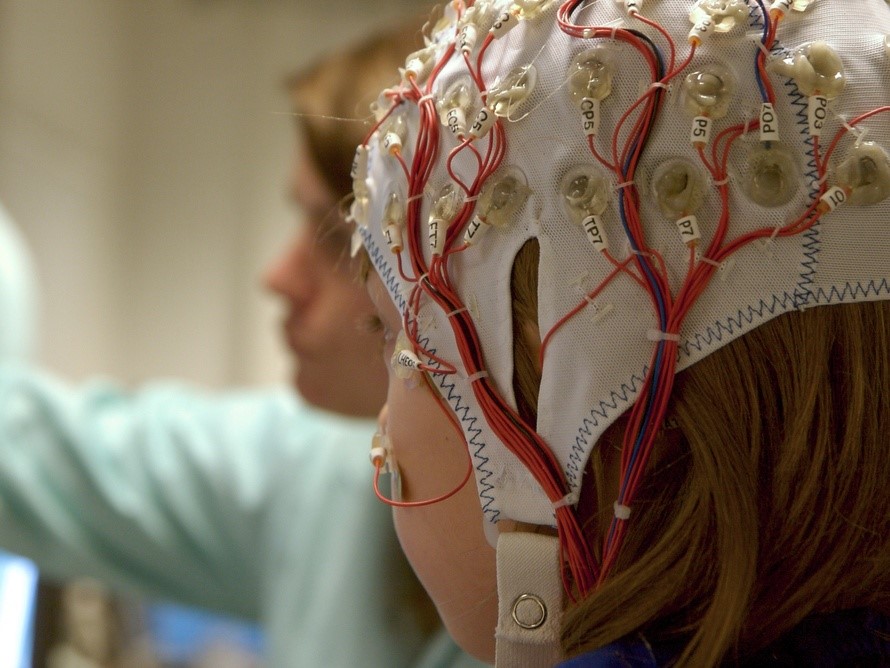
A seizure is a condition caused by a sudden burst of electrical activity in the brain. There are different types of seizures. This leaflet gives some information about what your doctor may wish to know and what tests may be advised after such an event.
av Dr Doug McKechnie, MRCGP
Hjärna och nerver
Att leva med epilepsi
Den här broschyren är en kort introduktion till praktiska aspekter av att leva med epilepsi.
av Dr Colin Tidy, MRCGP
Vanliga frågor
What specifically is a neural tube defect like spina bifida, and do other medicines besides sodium valproate cause it?
A neural tube defect, such as spina bifida, is a birth defect affecting the brain and spinal cord. While sodium valproate is linked to an increased risk, other anti-epilepsy medicines like phenobarbital, phenytoin, carbamazepine, and topiramate are also associated with a small increased risk of neural tube defects.
If I am pregnant and taking anti-epilepsy medication, how often will my blood levels be checked?
If you are pregnant, your epilepsy team may recommend more frequent monitoring, including blood tests to measure the levels of your anti-seizure medication. The results of these tests will be discussed with you to help make decisions about your dosage if any adjustments are needed.
Why is it particularly important to use reliable contraception if I'm taking sodium valproate and could become pregnant?
It is very important to use reliable contraception if you are taking sodium valproate and are of childbearing age because this medicine is linked to a higher risk of problems for your baby if you become pregnant. This is a key part of guidance issued by NICE to minimise risks.
What types of birth defects have been observed in babies whose mothers took carbamazepine during pregnancy?
Babies whose mothers took carbamazepine for epilepsy during pregnancy may show some abnormal features. These can include abnormalities of the forehead, eyebrows, nose, ears, mouth, fingers, feet, and nails. However, these features are often very mild and can also occur in babies whose mothers did not take any epilepsy medicines during pregnancy.
What follow-up care is provided regarding my medication dose after I give birth?
Following your delivery, if your medication dose was adjusted during pregnancy, your epilepsy team should provide you with a plan for returning to your pre-pregnancy doses, which should start shortly after your baby is born.
What is SUDEP and why is it mentioned in relation to frequent monitoring during pregnancy?
SUDEP stands for Sudden Unexpected Death in Epilepsy. If you are at risk of SUDEP, along with other factors, your epilepsy team may recommend more frequent monitoring during your pregnancy to ensure your safety and that of your baby.
Vidare läsning och referenser
- Graviditetsvård för okomplicerade graviditeter; NICE Klinisk Riktlinje (mars 2008 - uppdaterad februari 2019)
- Epilepsier: diagnos och behandling; NICE Clinical Guideline (January 2012)
- Molgaard-Nielsen D, Hviid A; Newer-generation antiepileptic drugs and the risk of major birth defects. JAMA. 2011 May 18;305(19):1996-2002.
- Feldman HS, Jones KL, Lindsay S, et al; Prenatal alcohol exposure patterns and alcohol-related birth defects and growth deficiencies: a prospective study. Alcohol Clin Exp Res. 2012 Apr;36(4):670-6. doi:
- Pre-conception - advice and management; NICE CKS, June 2012 (UK access only )
- Brittiska nationella läkemedelsformuläret (BNF); NICE Evidenstjänster (endast tillgång i Storbritannien)
- Diabetes under graviditet - hantering från före befruktning till efter förlossningsperioden; NICE Klinisk Riktlinje (februari 2015 - senast uppdaterad december 2020)
- Bromley R, Weston J, Adab N, et al; Treatment for epilepsy in pregnancy: neurodevelopmental outcomes in the child. Cochrane Database Syst Rev. 2014 Oct 30;10:CD010236. doi: 10.1002/14651858.CD010236.pub2.
- Diagnos och behandling av epilepsi hos vuxna; Scottish Intercollegiate Guidelines Network – SIGN (2015 – uppdaterad 2018)
- De-Regil LM, Pena-Rosas JP, Fernandez-Gaxiola AC, et al; Effects and safety of periconceptional oral folate supplementation for preventing birth defects. Cochrane Database Syst Rev. 2015 Dec 14;12:CD007950. doi: 10.1002/14651858.CD007950.pub3.
- Weston J, Bromley R, Jackson CF, et al; Monotherapy treatment of epilepsy in pregnancy: congenital malformation outcomes in the child. Cochrane Database Syst Rev. 2016 Nov 7;11:CD010224.
- UK Chief Medical Officers’ Low Risk Drinking Guidelines; GOV.UK, August 2016
- Safety and use guidance summary on valproate in children, young people and adult, including women or girls of childbearing potential and women or girls who are pregnant or planning pregnancy; NICE Clinical Guidance Summary (2020)
Om författarenVisa fullständig biografi
Uppdaterad av

Dr Mary Harding, MRCGP
Allmänläkare, Medicinsk Författare
BA, MA, MB, BChir, MRCGP, DFFP
Dr Mary Harding tog examen från medicinska fakulteten vid Cambridge University 1989.
Om recensentenVisa fullständig biografi

Dr Jacqueline Payne, FRCGP
Allmänläkare, Medicinsk Författare
MB, BS, DFFP, DRCOG, FRCGP
Jacqueline var allmänläkare i Kendal, Cumbria i 25 år, där hon utbildade unga allmänläkare för RCGP och var instruktionsläkare för FSRH.
Artikelhistorik
Artikeln finns också på Engelska, Tyska, Spanska, Franska, Italienska, Portugisiska, Hindi, Hebreiska, Arabiska, och Svenska.
29 Jul 2017 | Senaste versionen
Medicinska yrkesverksamma
Looking for more in-depth clinical detail? Our Professional Reference articles are written for doctors, nurses and other healthcare professionals. They include comprehensive clinical guidance, diagnostic information and UK/European evidence summaries. If you need the clinical version, you can read the Professional Reference article on this topic.
Dela dina tankar eller erfarenheter med andra i vår patientgemenskaper.
Enkel tillgång till pålitliga behandlingar och hälsotjänster online.
Common conditions
Get help with common conditions through the NHS, without a GP appointment.





Anmäl dig till Patientens nyhetsbrev
Din veckovisa dos av tydliga, pålitliga hälsoråd - skrivna för att hjälpa dig känna dig informerad, självsäker och i kontroll.
Genom att prenumerera accepterar du våra Sekretesspolicy. Du kan avsluta prenumerationen när som helst. Vi säljer aldrig dina uppgifter.