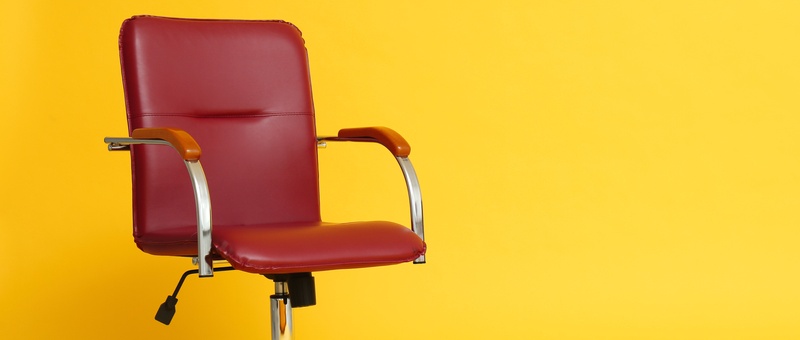
Vad är kontorsstolsrumpa - och hur förhindrar du det?
Granskad av Dr Colin Tidy, MRCGPFörfattad av Victoria RawUrsprungligen publicerad 10 jun 2026
Uppfyller patientens redaktionella riktlinjer
- Ladda nerLadda ner
- Dela
- Language
- Diskussion
- Ljudversion
- Lägg till i föredragna källor på Google
It's rare for healthcare professionals to endorse a social media health trend, but one term that's recently been gaining attention online is ‘office chair butt’. This informal phrase describes changes that can occur in your bottom muscles as a result of prolonged sitting.
So, is there any truth behind the trend? We spoke to a physiotherapist to explain what office chair butt really is, why it happens, and simple ways to reduce the effects of long hours spent sitting.
What is office chair butt?
While ‘office chair butt’ might sound like a simplistic way of describing a negative health effect, it’s one buzz term that may deserve attention. The key is to look beyond the trend, and seek guidance from a qualified health professional on how to help prevent or manage it.
Office chair butt is associated with a largely sedentary lifestyle, particularly long hours of sitting, which is common for people who spend most of their day at a desk.
Bethany Tomlinson, Musculoskeletal Clinical Service Manager and Physiotherapist at AXA Health, explains that sitting for prolonged periods can lead to gluteal amnesia, informally known as ‘office butt’ or ‘dead butt syndrome’. This is where your gluteal (glute) muscles - the muscles that make up your buttocks - and surrounding area effectively ‘switch off’ due to inactivity.
“A lack of movement means lower production of synovial fluid, which is crucial for supporting joint health,” she says. “When your glutes aren’t activated regularly, the surrounding joints, including the hips, knees, and lower back, can end up compensating, often resulting in joint pain and stiffness in these areas.”
Bethany Tomlinson

The health risks of sitting down too long
A new survey from AXA Health of 2,000 UK adults reveals that one in four spend five or more hours sitting at a desk each day.
Prolonged sitting can contribute to:
Increased joint stiffness.
Muscle degeneration.
Back pain.
Reduced mobility.
The findings also show that 89% of respondents do not use a supportive office chair, 81% don’t stretch regularly, and 74% fail to meet the recommended exercise guidelines of at least 20 minutes of activity, three times a week.
With TikTok flooded with millions of views of videos about ‘office chair butt’, and monthly Google searches for ‘lower back pain’ recently reaching 3.2 million, it’s clear that many people in the UK are having issues with their musculoskeletal health.
How to prevent office chair butt
'Office chair butt’ can contribute to a range of physical symptoms and limitations. However, for those whose jobs require them to spend most of their day at a desk, simply avoiding long periods of sitting isn't always realistic.
If that sounds familiar, Tomlinson shares her expert advice on how to minimise the long-term effects that prolonged sitting can have on your joints, muscles, and overall musculoskeletal health.
Move at least once every hour
Taking short movement breaks throughout an otherwise sedentary day might seem insignificant, but small actions can add up over time. Incorporating regular movement into your daily routine can have a positive impact on your overall health and wellbeing.
Tomlinson explains that TikTok trends such as ‘squat break’s highlight an important point - that regular movement matters.
“Taking just 1-2 minutes every hour to stand up, stretch, or activate key muscle groups can help restore blood flow and stimulate synovial fluid production in your joints,” she says.
“Going for a walk before your working day, on your lunch break or after work, where possible, or utilising a standing desk are great ways to reduce sitting time. If you travel to work, try getting off one stop earlier or parking further away to add more walking and stimulate joint circulation before sitting down.”
Improve your chair setup
Poor posture rarely happens overnight. Instead, it develops through everyday habits such as slumping in a chair or spending hours looking down at a screen. Over time, these behaviours can lead to muscle pain and stiffness, which many people simply learn to live with rather than address the underlying cause.
Tomlinson recommends several ways to upgrade your office chair and support better posture, helping to prevent both visible and internal health issues.
She advises investing in a lumbar cushion that can be strapped to the back of your chair to support the natural curve of your spine and encourage good posture.
“A seat pad is also a great option and is suited for those looking for additional support for the bottom of their back,” adds the physiotherapist. “This reduces pressure on your tailbone (coccyx) and sciatic nerve and encourages hip alignment to support your spine.
“An ergonomic chair will often have adjustable features, such as the degree to which it is upright. These chairs are specifically designed to support your back during long periods of sitting and allow you to sit at a 90° hip-knee-ankle angle, reducing stiffness over time.”
Adjust your screen height
Making sure your computer or laptop screen is positioned at eye level can help reduce the strain that poor screen placement places on your neck, shoulders, and joints.
“If it's too low or too high, your neck will be angled for extended periods, which can lead to stiffness in your neck and shoulders, and even long-term joint issues,” warns Tomlinson.
“To avoid this, align your screen so that when you're looking straight ahead, your eyes are directly in line with the top of the screen. This encourages a natural 90º posture, helping to reduce strain on your neck and shoulders. This should also apply for standing desks.”
Incorporate strength and mobility exercises
Alongside meeting recommended weekly activity guidelines, targeted exercises can help strengthen the muscles that support and protect your joints.
Tomlinson advises incorporating strength-training exercises into your routine to build resilience in your glutes, hips, and core - key muscle groups that play an important role in maintaining stability, posture, and overall musculoskeletal health.
She says: “This will help to counteract the effects of sitting, as simple exercises including squats, lunges, glute bridges, and clamshells will restore balance and strengthen your muscles.
“It’s also important to do mobility-focused movement to loosen your joints, including neck and hip circles, and shoulder and ankle rolls, which you can even do sitting at your desk.”
Tomlinson emphasises that making these small changes can have a significant impact on your overall joint health and productivity.
“You should consult your company's occupational health team for advice and any further information you require,” she adds. “If you feel like you are experiencing severe joint pain, it’s important that you contact your GP to discuss your symptoms.”
Patientval för Muscles

Hälsosamt liv
Hur dålig hållning påverkar mer än bara din rygg
Nuförtiden är det inte bara en vana att sitta fast vid ett skrivbord hela dagen - det är i princip en del av jobbet för många människor. Mellan våra professionella liv och den digitala underhållning som fyller vår fritid, dras vi alltmer in i stillasittande, framåtböjda positioner. Denna miljö gör den enkla handlingen att upprätthålla en god hållning till en ständig kamp. En fysioterapeut förklarar exakt hur dålig hållning påverkar ditt välbefinnande och erbjuder enkla, praktiska tips för att hjälpa dig leva ett lyckligare, hälsosammare liv.
av Victoria Raw

Ben, leder och muskler
Vad är en 40-årig axel?
Uttrycket '40-års axel' fick uppmärksamhet under det senaste decenniet, delvis på grund av dess omnämnande i TV-serien 'Younger'. Serien följer en 40-årig kvinna som låtsas vara i tjugoårsåldern, där kontrasten mellan hennes verkliga ålder och den antagna åldern blir ett återkommande tema. Showen gör ofta hänvisningar till åldersrelaterade hälsoskillnader - inklusive frusen axel - vilket framställs som något som mer sannolikt drabbar människor i medelåldern. Men även om frasen skapar ett minnesvärt TV-ögonblick, är '40-års axel' en verklig medicinsk term, och vad bör du göra om du tror att du har det?
av Victoria Raw
Vanliga frågor
Vad är 'gluteal amnesi' och hur är det relaterat till 'kontorsstolsrumpa'?
Gluteal amnesi, även informellt känd som 'kontorsrumpa' eller 'död rumpa-syndrom', avser ett tillstånd där glutealmusklerna (sätesmusklerna) och det omgivande området effektivt 'stängs av' på grund av långvarig inaktivitet, ofta från långa timmar av sittande. Denna brist på aktivering innebär att omgivande leder, såsom höfter, knän och nedre rygg, kan behöva kompensera, vilket kan leda till potentiell ledvärk och stelhet.
Varför är produktionen av synovialvätska viktig för ledhälsan och hur påverkar sittande den?
Synovialvätska är avgörande för att stödja ledhälsa. Brist på rörelse, såsom vid långvarigt sittande, kan leda till minskad produktion av denna vätska. Att återställa blodflödet och stimulera produktionen av synovialvätska genom regelbunden rörelse är viktigt för att bibehålla friska leder.
Kan dålig hållning från att sitta orsaka långvariga ledproblem?
Ja, dålig hållning som utvecklas från vardagliga vanor som att sjunka ihop i en stol eller titta ner på en skärm under längre perioder kan så småningom leda till muskelvärk och stelhet. Med tiden kan dessa beteenden bidra till långvariga ledproblem i områden som nacke och axlar.
Vilka enkla styrketräningsövningar kan jag göra för att motverka effekterna av att sitta?
Enkla styrketräningsövningar som kan hjälpa till att bygga upp motståndskraft i dina sätesmuskler, höfter och bål inkluderar knäböj, utfall, höftlyft och musselskal. Dessa övningar kan hjälpa till att återställa balansen och stärka de muskler som är viktiga för stabilitet och hållning.
Vilka typer av rörlighetsövningar är bra för att mjuka upp leder, och kan jag göra dem vid mitt skrivbord?
Rörelser med fokus på rörlighet som kan hjälpa till att lossa dina leder inkluderar nack- och höftcirklar samt axel- och fotledsrullningar. Du kan utföra dessa typer av övningar även när du sitter vid ditt skrivbord för att förbättra ledrörligheten.
Om författarenVisa fullständig biografi
Författad av

Victoria Raw
Featureförfattare
BA (Hons), Engelsk litteratur
Victoria är en innehållsskribent på Patient, med särskilda intressen som sträcker sig över mental välbefinnande, samhälleliga trender och teknikens påverkan på vår hälsa.
Om recensentenVisa fullständig biografi

Dr Colin Tidy, MRCGP
Allmänläkare, Medicinsk Författare
MBBS, MRCGP, MRCP (Paediatrics), DCH
Dr Colin Tidy är en NHS-läkare, baserad i Oxfordshire.
Artikelhistorik
Artikeln finns också på Engelska, Tyska, Spanska, Franska, Italienska, Portugisiska, Hindi, Hebreiska, Arabiska, och Svenska.
Nästa granskning ska göras senast: 10 jun 2029
10 jun 2026 | Ursprungligen publicerad
Författad av:
Victoria RawGranskad av
Dr Colin Tidy, MRCGP
Delta i konversationen
Dela dina tankar eller erfarenheter med andra i vår patientgemenskaper.

Fråga, dela, anslut.
Bläddra i diskussioner, ställ frågor och dela erfarenheter inom hundratals hälsorelaterade ämnen.

Känner du dig sjuk?
Bedöm dina symtom online gratis
Anmäl dig till Patientens nyhetsbrev
Din veckovisa dos av tydliga, pålitliga hälsoråd - skrivna för att hjälpa dig känna dig informerad, självsäker och i kontroll.
Genom att prenumerera accepterar du våra Sekretesspolicy. Du kan avsluta prenumerationen när som helst. Vi säljer aldrig dina uppgifter.