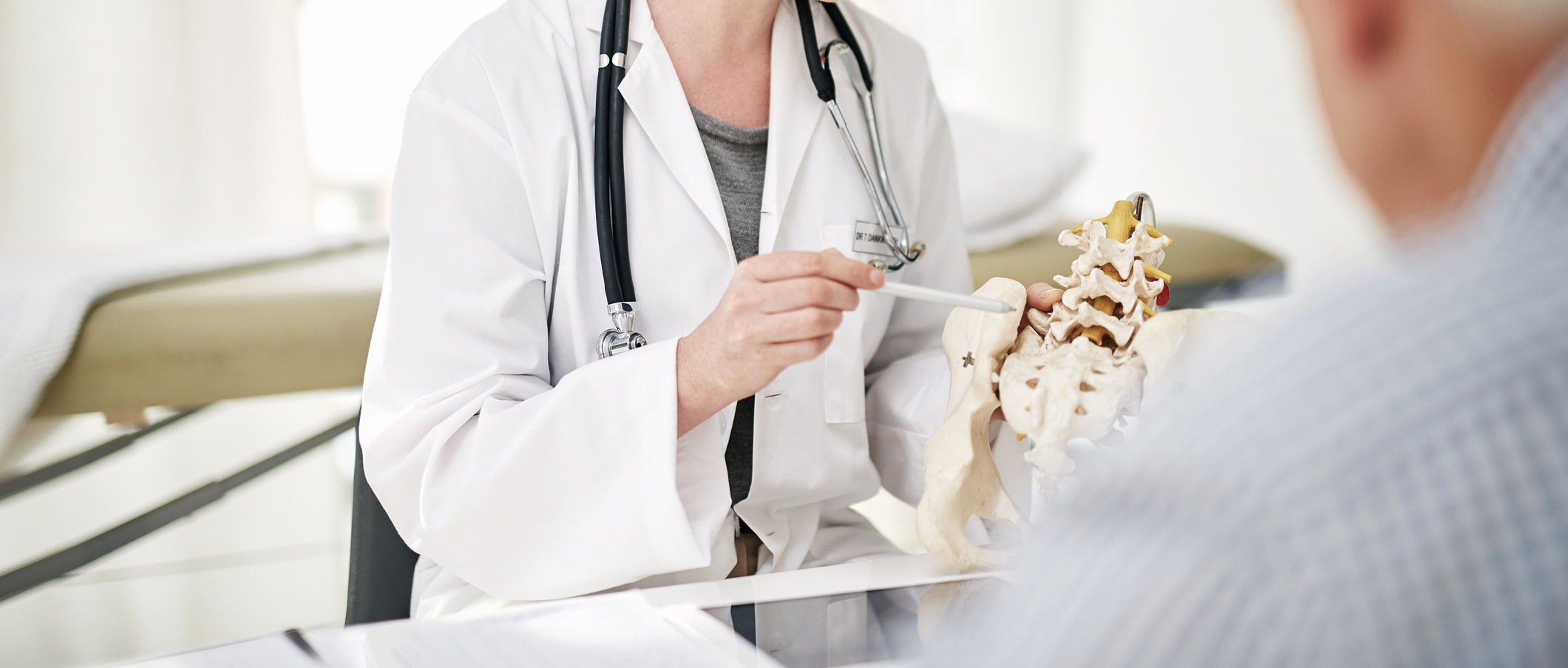
Why the menopause may cause osteoporosis
Peer reviewed by Dr Hayley Willacy, FRCGP Last updated by Dr Sarah JarvisLast updated 18 Oct 2017
Meets Patient’s editorial guidelines
- DownloadDownload
- Share
- Language
- Discussion
- Audio Version
- Add to preferred sources on Google
Osteoporosis, or thinning of the bones, is sometimes called the ‘silent epidemic’. It’s very common but you may not know you have it until you break a bone. A healthy lifestyle can help avoid it, but you need to know if you’re at risk.
Sign up for our free 10-week Menopause course!
Each week, we'll explore different topics to help you better understand and navigate your menopausal journey, including HRT, diet, exercise, and mental health.
By subscribing you accept our Privacy Policy. You can unsubscribe at any time. We never sell your data.
How does this happen?
We all know bones are the hardest bits of our bodies, and that they make up our skeleton – the framework the rest of our bodies are built around. But did you know that bone doesn’t just sit there? It’s constantly being reabsorbed by the body and rebuilt. Once you’re 40, your bone starts to become less dense as the rate bone is made is exceeded by the rate it’s reabsorbed.
Stats and facts
After the menopause, this process speeds up, meaning women are at much higher risk than men. In fact, 1 in 3 women, and 1 in 5 men over 50 will break a bone because of osteoporosis. The bones you’re most likely to break are your wrist, hip and bones in your spine. Your spine bones can collapse – a so-called 'crush fracture'. This can give rise to chronic pain, but your upper spine can also become hunched over with a ‘dowager’s hump’.
Clearly this causes pain and misery for sufferers, as well as threatening independence. But it’s also a huge financial burden – by 2025, it’s estimated thinning of the bones will cost the NHS £2.2 billion.
What do women worry about?
A recent survey on bone health in women over 45 very much reflects what my patients tell me about their own concerns. More than 2 in 5 women worries about getting frail or weak as they get older and the same number think they should take better care of their health. Half feel they should take their health more seriously, but aren’t doing anything about it. Nearly the same number find it hard to stay physically active.
A whopping 86% worry about losing their independence as they get older. But protecting yourself against osteoporosis could very much stack the odds in your favour.
Why does it happen?
Osteoporosis often runs in families, so having a family history of hip fracture or osteoporosis means you're at risk of it yourself. While men do get osteoporosis, women are at much higher risk. This is partly because while both men and women start to lose bone density with age, men tend to have much higher bone density to begin with. That means they start from a higher base and have more bone density to lose.
After the menopause, levels of the female hormone oestrogen drop in women. This hormone helps protect your bones, so women's bone density falls faster than men's once they lose this protection. Going through the menopause before the age of 45 makes osteoporosis more of a concern, because your oestrogen levels drop sooner than average. Being underweight can affect your calcium absorption, and drops your oestrogen levels if you're a woman.
Steroid tablets can affect the amount of calcium you absorb from your gut and lose through your kidneys, making you more prone to osteoporosis. They're often given in conditions like rheumatoid arthritis (where you may be physically inactive, which also increases your risk) and Crohn's disease (where your body may also not be absorbing calcium effectively). Smoking poisons your bones and alcohol stops your body making new bone efficiently.
Seek out the medical help you need
If you’ve broken a bone after a minor injury – such as a fall from standing height or lower – your GP should arrange a bone density scan.This quick and painless investigation can show if you have osteoporosis or an early version of bone thinning called osteopenia. If you have risk factors for osteoporosis, your doctor might suggest a bone scan even if you haven’t broken a bone.
If you’re found to have osteoporosis, your doctor may recommend a regular tablet to reduce further bone thinning. Most of these tablets can be taken once a week, but they have to be taken in a particular way – your pharmacist will advise you.
How can I help myself?
Getting enough calcium in your diet is important for strong bones, whether you have osteoporosis or not. After the menopause, you should ideally increase your calcium intake. Along with any dairy products, tinned fish with bones and green leafy vegetables like spinach, provide calcium. If you can’t get enough in your diet, your doctor may recommend a supplement. Everyone should take a vitamin D supplement of 10 micrograms a day in winter. If you have osteoporosis, you should take it all year round.
Weight bearing exercise is key to preventing osteoporosis. Regular exercise will also keep your muscles strong and improve your balance. This cuts the risk of falls and broken bones. Any kind of weight bearing or resistance exercise works (swimming and cycling don’t count). Brisk walking, dancing, tennis or even discovering your inner child and skipping will all help – but do make sure you don’t put yourself at risk of a fall.
Patient picks for Osteoporosis
Bones, joints and muscles
When to start worrying about your bones and osteoporosis
Your bones are constantly changing. The earlier you start taking action to support your bone health to prevent osteoporosis, the better.
by Victoria Raw
Bones, joints and muscles
Why clean eating could be bad for your bones
The trend for clean eating continues to dominate social media, especially amongst female bloggers and celebrities. Twitter and Facebook are packed with photos of raw vegetable smoothies and advice to cut out meat, dairy, processed foods and caffeine. But will it do us any good? Not according to the National Osteoporosis Society which has warned that the popularity of 'clean eating' and overly restrictive diets is setting up young people for a future where broken bones are the norm. In a survey carried out by the charity, four in ten people aged 18 to 24 years had tried a 'clean eating' diet. This meant that around three million young adults are putting themselves at risk of osteoporosis in later life by avoiding foods that provide key bone health nutrients.
by Dr Carrie Ruxton, PhD, Child Nutrition
Frequently asked questions
What is the difference between osteoporosis and osteopenia?
Osteopenia is an early stage of bone thinning, while osteoporosis indicates that your bones have become significantly less dense and are more prone to breaking.
How do steroid tablets contribute to osteoporosis, and which conditions are they commonly prescribed for?
Steroid tablets can increase your risk of osteoporosis by affecting how much calcium your gut absorbs and how much your kidneys lose. They are often prescribed for conditions like rheumatoid arthritis and Crohn's disease.
Are there any specific lifestyle habits that can negatively impact bone health?
Yes, smoking can directly harm your bones, and consuming alcohol can prevent your body from efficiently making new bone.
If I am found to have osteoporosis, what kind of treatment might my doctor recommend?
If you are diagnosed with osteoporosis, your doctor might suggest taking a regular tablet to help slow down further bone thinning. These tablets often need to be taken in a specific way, and your pharmacist can provide guidance on this.
About the authorView full bio

Dr Sarah Jarvis
Clinical Consultant
MA (Cantab), BM, BCh (Oxon), DRCOG, FRCGP, MBE
After training in medicine at Cambridge and Oxford, Dr Sarah Jarvis MBE became a GP.
About the reviewerView full bio

Dr Hayley Willacy, FRCGP
General Practitioner, Medical Author
MBChB (1992), DRCOG, DFFP, MRCOG (Part 1) MRCGP (2007), DFSRH (2013), MSc - medical education (2020)
Dr Hayley Willacy was an NHS GP working in northwest England, who retired from clinical practice in 2022 after 30 years.
Article history
The information on this page is peer reviewed by qualified clinicians.
Article also available in English, German, Spanish, French, Italian, Portuguese, Hindi, Hebrew, Arabic, and Swedish.
18 Oct 2017 | Latest version
Join the conversation
Share your thoughts or experiences with others in our patient communities.

Ask, share, connect.
Browse discussions, ask questions, and share experiences across hundreds of health topics.

Feeling unwell?
Assess your symptoms online for free
Sign up to the Patient newsletter
Your weekly dose of clear, trustworthy health advice - written to help you feel informed, confident and in control.
By subscribing you accept our Privacy Policy. You can unsubscribe at any time. We never sell your data.
More in bones, joints and muscles
- Back pain and exercises videos
- Beat the chill: why movement matters for your joints in cold weather
- Do I need an MRI for my back pain?
- Gout diet: foods to eat and avoid
- How to prevent muscle loss on Mounjaro
- How to relieve sciatica pain
- How to treat neck pain
- Is running bad for your knees?
- Knee health: how to prevent knee injuries
- Living with fibromyalgia - Jenny's story
- Other bones and joints videos
- The best resistance band workouts to build muscle
- Things you might not know about cleidocranial dysplasia
- What can you do to help prevent arthritis?
- What foods are good for arthritis?
- What is 40-year-old shoulder?
- What is office chair butt - and how do you prevent it?
- What is sarcopenia?
- Why do my joints hurt when the weather changes?
- Women's health in sport: injuries, menstruation, and motherhood