
What it's like to live with cancer fatigue
Peer reviewed by Dr Krishna Vakharia, MRCGPAuthored by Amberley DavisOriginally published 15 Nov 2022
Meets Patient’s editorial guidelines
- DownloadDownload
- Share
- Language
- Discussion
- Audio Version
- Add to preferred sources on Google
Cancer fatigue is a common and debilitating symptom of cancer and cancer treatment. Each person's experience of cancer fatigue is unique, but hearing each other's stories can be valuable and comforting.
What is cancer fatigue?
"My cancer fatigue is like nothing I have every experienced - no amount of sleep seems to help," says Fiona Macrae, a model for Beauty Despite Cancer skincare.
Many of us understand fatigue as a short-term physical concern that's resolved with relaxation or a good night's sleep. For people like Fiona and others, who are living with cancer, the term takes on a whole new meaning.
To experience cancer fatigue is like a persistent and unshakeable feeling of exhaustion that can have a profound physical, mental, and emotional impact in a person's life.
What does cancer fatigue feel like?
While experts recognise the common symptoms and psychological impacts of cancer fatigue, it can affect people in different ways and everyone's experience is unique. Sharing and hearing each other's stories can help people going through similar challenges understand that they're not alone.
Fiona Macrae shares her own experience with cancer fatigue
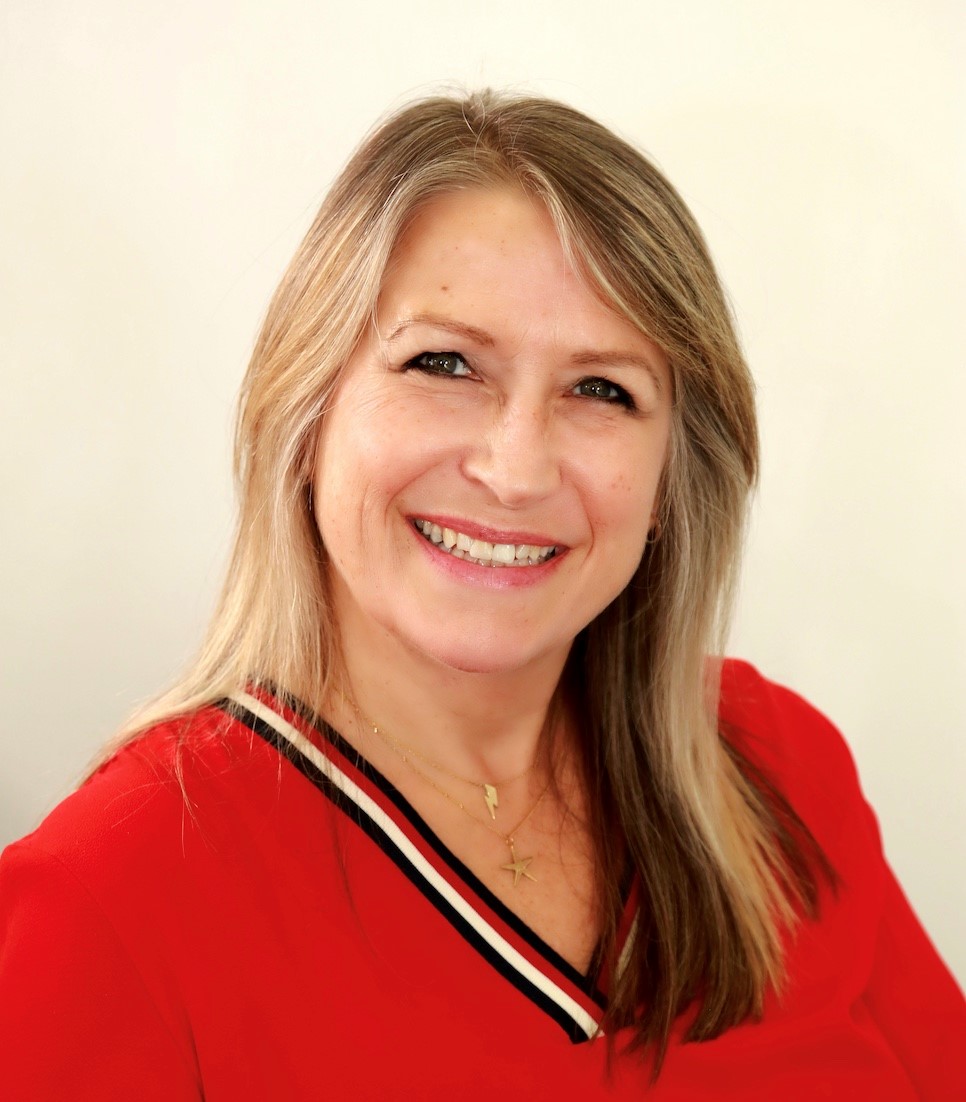
Fiona's story
Q. Can you describe your experience of cancer fatigue?
"The best way I can describe it is like wading through treacle - everything you do takes an enormous amount of effort."
Q. Was there a difference between the fatigue you experienced from cancer itself and from the treatment?
"The cancer itself didn't seem to cause fatigue, or nothing noticeable. I have incurable breast cancer, so I am now on treatment for life. One of these treatments is immunotherapy, which I take for three weeks and then have a week off - this cycle is ongoing for as long as that treatment is working for me."
One of the side effects of immunotherapy is fatigue. For Fiona, this is most ferocious during her last week of treatment and during her week off.
Q. How does this affect your quality of life?
"The fatigue that I get from the immunotherapy is like nothing I have every experienced - no amount of sleep seems to help and going to bed and trying to sleep doesn't help either. My body feels so tired, but my mind isn't."
"I more or less need to fit my life into the two weeks a month where my energy levels are up and accept that for the other two weeks, I have to manage what I do very carefully.
"Overdoing it when my body is already fatigued has in the past left me seriously run down, which leaves me more open to infections."
Different stories, shared challenges
Other people managing cancer fatigue will each have a different story. For some, the disease itself is their biggest source of fatigue, rather than a side effect of treatment. The length of these intense periods of tiredness and low energy also varies greatly - it may last for weeks, months or years1.
No matter the differences, this complication of cancer is intense and significantly disrupts the lives of those living with it. Charities like Maggie's have support networks to bring people with cancer together, where they can share advice and real-life coping techniques.
Coping with cancer fatigue
Fiona's advice for people coping with cancer fatigue is to listen to your body and to not feel guilty when you need to rest. "If you need an afternoon in bed watching reality TV - do it."
For those who, like her, experience cancer fatigue in peaks and dips during a treatment cycle, she recommends planning around this: "I recommend going out and having treats during your good weeks, and more home time and friends coming to see you in your not-so-good weeks."
Jennifer Young is an expert in specialist skincare for those living with and beyond cancer. She has seen many people struggling with extreme tiredness following a cancer diagnosis:
"Cancer itself can cause fatigue, cancer treatments can be extremely draining, and the stress of having a diagnosis along with everything this leads you to contemplate can also cause tiredness and low moods."
She has also seen the positive impact that holistic therapies can have on improving fatigue: "Massage has been shown to reduce fatigue in the short term as well as improve sleep quality, while essential oils like lavender and lemon can help uplift energy."
There are several other coping techniques that could help make your life that little bit easier - the first step is to speak up if you're struggling. Both experts and people living with cancer fatigue can provide support.
Further reading
Patient picks for Information about cancer

Cancer
How cancer can affect your sex life
It might have been the last thing on your mind when you were first diagnosed with cancer, but if you've found the condition has affected your sex life, you need to know you're not alone. We ask an expert about the best ways to regain intimacy after treatment.
by Natalie Healey

Cancer
Cancer fatigue: what it is and how to cope
Whether it's the mental strain of illness or the treatments, living with cancer can be exhausting. Nine out of 10 people with cancer experience fatigue1 - and it can have a serious impact on relationships, work and more. But what causes it, and what can you do about it?
by Lydia Smith
About the authorView full bio

Amberley Davis
Senior writer
BA (Hons), CPD
Amberley is a senior writer with Patient and has written extensively on a range of health and wellbeing topics.
About the reviewerView full bio

Dr Krishna Vakharia, MRCGP
Chief Medical Officer for Health, Optum UK
MBChB, MRCGP(2013), BMedSci (hons), DFSRH, DRCOG, PGDipDerm (Distn)
Dr Krishna Vakharia is an NHS GP. She is also a regular examiner for the postgraduate Diploma in Practical Dermatology at Cardiff University as well as being the Chief Medical Officer for health at Optum UK.
Article history
The information on this page is peer reviewed by qualified clinicians.
Article also available in English, German, Spanish, French, Italian, Portuguese, Hindi, Hebrew, Arabic, and Swedish.
15 Nov 2022 | Originally published
Authored by:
Amberley DavisPeer reviewed by
Dr Krishna Vakharia, MRCGP
Join the conversation
Share your thoughts or experiences with others in our patient communities.

Ask, share, connect.
Browse discussions, ask questions, and share experiences across hundreds of health topics.

Feeling unwell?
Assess your symptoms online for free
Sign up to the Patient newsletter
Your weekly dose of clear, trustworthy health advice - written to help you feel informed, confident and in control.
By subscribing you accept our Privacy Policy. You can unsubscribe at any time. We never sell your data.
More in cancer
- Being a 'morning person' lowers risk of breast cancer
- Can a new blood test detect lung cancer early?
- Cancer fatigue: what it is and how to cope
- How cancer can affect your sex life
- How to check for breast cancer and what a lump feels like
- How to look after your skin during chemotherapy
- How to spot the warning signs of gynaecological cancer
- How to talk about your end of life care wishes
- Less survivable cancers are more likely to have late diagnoses
- NHS to roll out world-first blood test for cancer
- Ovarian cancer symptoms diary
- Spotting the signs of ovarian cancer: why acting early matters
- Stories of Cancer and Hope: giving voice to lives affected by cancer
- Supporting a loved one with a cancer diagnosis
- The truth about obesity and cancer
- What are the signs of prostate cancer?
- What it's like to be a breast surgeon with breast cancer
- What it's like to be diagnosed with skin cancer
- What it's like to have breast cancer when you're a man
- Why you shouldn't skip your smear test