Coping with OCD as lockdown eases
Peer reviewed by Dr Sarah JarvisLast updated by Ellie BroughtonLast updated 18 Aug 2020
Meets Patient’s editorial guidelines
- DownloadDownload
- Share
- Language
- Discussion
- Audio Version
- Add to preferred sources on Google
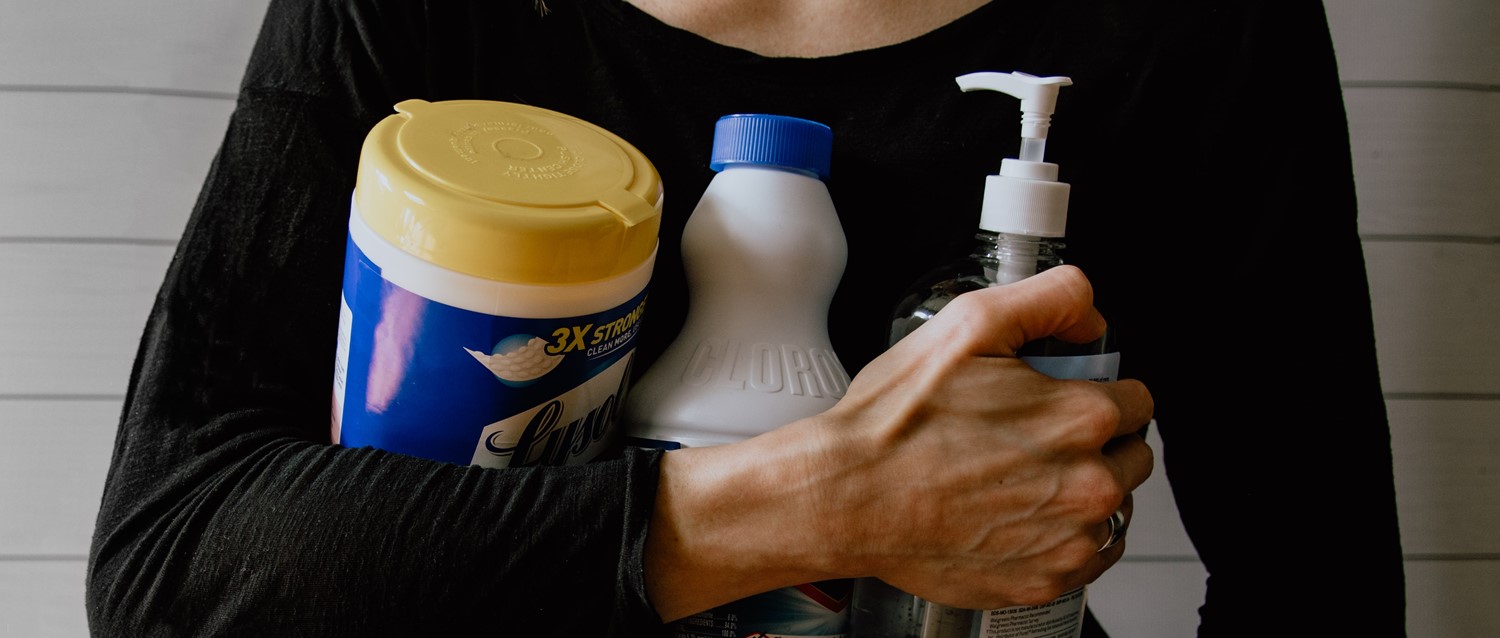
As pubs, salons and restaurants reopen their doors, for some of us - and for many with OCD - more freedom means more stress. A psychologist who specialises in treating OCD explains what steps people can take to manage mental health problems.
Sabrine, 23, blogs about her experience of obsessive-compulsive disorder (OCD). She says that before lockdown she wasn't leaving the house much, and the new rules didn't seem disruptive.
After a while, though, she started to feel constricted. "It started to grate on me a lot," she says. "I began to feel restricted. I didn't like the lack of control. I was no longer staying at home simply due to my health - even if I had a day I felt I could manage venturing out, I no longer had the option to do so."
As lockdown eases, she feels apprehensive and anxious. "It's definitely ruined a lot of this year's plans for me," she says. "Life has just been massively put on hold and the restrictions have given my OCD more of an opportunity to fester."
Mind's resource on lockdown easing warns that changes might make people feel stressed, anxious, angry, conflicted, uneasy, protective - the list is long and by no means exhaustive. The important thing, writers point out, is that there is no 'normal' response. Furthermore, emotions might well vary from day to day.
Dr Liz Forrester is a consultant clinical psychologist and specialises in helping patients use cognitive behavioural therapy (CBT) and exposure to treat OCD. She says that her clients' experience of lockdown has varied. Some with contamination OCD have been unwilling to go into the garden, but for others it has been less intense.
Lockdown has created tensions in clients' households and social circles, she says. "If your partner is doing things that you don't feel comfortable with, that can lead to tensions," she says. "Maybe you doubt what they're doing or what they say they're doing. You might feel less inclined to meet up with friends who you perceive as being too careless or relaxed."
Before stressful events, make a plan
One of Dr Forrester’s clients has had to attend hospital regularly with their child - hard enough before COVID-19.
"She's been to and fro from hospitals for the last three or four weeks," Dr Forrester says. "And that's been really strange and stressful, initially. But she felt reassured about the way that things were being done."
Dr Forrester says making a plan helped her prepare for the anxiety she would face in that situation, and to avoid OCD compulsions.
"We had a plan of action about how she would go about it: not to take excessive precautions, not to increase safety behaviours, and to be sure to use hand sanitiser if she couldn't wash her hands," she says. "Having a plan, sometimes writing it down, really helps people."
Practise 'exposure' every day
Even simple outings like grocery shopping can be tough, and Dr Forrester says that anxiety can build in anticipation of trips like these.
"Try to increase your resilience to going out and getting used to it. Rather than kind of storing it up, thinking, 'This is the day that I go to the supermarket' and getting yourself worked up all week, do something like walking up to the shop, even if you're not going in," she says. "Have that as your daily exercise. Make sure that you get out and about as often as possible." Making small trips avoids 'all or nothing' thinking, and builds confidence.
Dr Forrester also uses exposure techniques with clients at home. "One of the things that I've been doing with my patients recently is getting them to buy lots of sticky notes and writing things like 'coronavirus' and sticking them around the house," she explains. "You get used to having the thought, and repeated exposure kind of strips the meaning."
Don't read more news
It can be tempting, particularly as local lockdowns are introduced, to go back to regularly reading the news. But if this is a trigger, Dr Forrester said, it's best avoided.
"By all means keep an eye on the news," she says. "But don't let the coronavirus dominate your life. Engage in other activities, do other things. Don't spend all your time Googling for 'how many cases in my area', because it just makes it seem more scary."
Stay connected
A constant thread that runs through most mental health advice is to stay connected with people who support you. For example, Mind's self-care advice recommends keeping in touch with friends and family, or spending time with people around shared interests like reading or sport.
For Sabrine, writing has provided her with an outlet during the pandemic, and connected her to others. "It's good to be openly expressive and feel like you're not alone. The lockdown has introduced me to a writing community, and they're all very supportive and nice people who I would have never interacted with, had this not happened."
Patient picks for Pandemic articles
COVID-19
How have Brits neglected their oral health during the pandemic?
New research reveals 1 in 3 Brits have let their oral health slip since the start of the pandemic, driven by a lack of routine and other health-related issues taking priority over looking after their teeth and gums.
by Emily Jane Bashforth

COVID-19
What are the school COVID rules October 2023?
As we enter the winter months, your child may be showing symptoms that make you wonder whether they can go to school. We explain the UK government's latest guidance on school COVID rules October 2023.
by Amberley Davis
About the author

Ellie Broughton
About the reviewerView full bio

Dr Sarah Jarvis
Clinical Consultant
MA (Cantab), BM, BCh (Oxon), DRCOG, FRCGP, MBE
After training in medicine at Cambridge and Oxford, Dr Sarah Jarvis MBE became a GP.
Article history
The information on this page is peer reviewed by qualified clinicians.
Article also available in English, German, Spanish, French, Italian, Portuguese, Hindi, Hebrew, Arabic, and Swedish.
18 Aug 2020 | Latest version
Join the conversation
Share your thoughts or experiences with others in our patient communities.

Ask, share, connect.
Browse discussions, ask questions, and share experiences across hundreds of health topics.

Feeling unwell?
Assess your symptoms online for free
Sign up to the Patient newsletter
Your weekly dose of clear, trustworthy health advice - written to help you feel informed, confident and in control.
By subscribing you accept our Privacy Policy. You can unsubscribe at any time. We never sell your data.
More in cOVID-19
- 19th July: staying safe as COVID-19 restrictions ease
- Are vaccinations going to change during the pandemic?
- COVID-19 - coping with loneliness this Christmas
- COVID-19 antibody tests: how do they work and who can get tested?
- COVID-19 coronavirus: what can I do under the new rules?
- COVID-19: is handwashing still important when you're self-isolating?
- How to make face masks and coverings more comfortable
- How to reduce your risk of DIY injuries during coronavirus lockdown
- Lockdown easing: what is the plan and is it realistic?
- Test and trace: how does it work?
- Tips to help your kids get used to face masks and coverings
- What are the latest rules on face masks in the UK?
- Why lockdown is making us feel exhausted