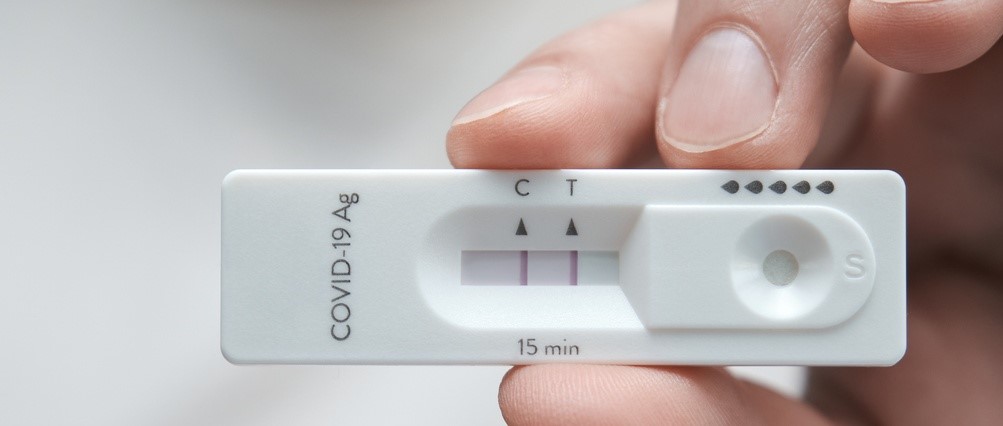
Vad vi vet om de nya COVID-19-varianterna Eris och Pirola
Granskad av Dr Krishna Vakharia, MRCGPFörfattad av Lydia SmithUrsprungligen publicerad 12 Sept 2023
Uppfyller patientens redaktionella riktlinjer
- Ladda nerLadda ner
- Dela
- Language
- Diskussion
- Ask Patient
- Ljudversion
- Lägg till i föredragna källor på Google
Med nedstängningar som ett minne blott kanske COVID-19 inte är i allas tankar - men det fortsätter att spridas. Och så länge det gör det, kommer mutationer av viruset, ofta kallade olika varianter, att fortsätta dyka upp. Här tittar vi på vad vi vet om de två nya stammarna, Eris och Pirola.
What we know about the new COVID-19 variant Eris
As a virus spreads from person to person, its genetic make-up gradually changes. This mutation process helps to ensure the virus can survive, to allow it to continue spreading and reproducing.
Since it emerged, COVID-19 has continued to mutate into many different variants, which has enabled it to evade immune responses and vacciner. So even though getting your jabs will prevent against serious illness, they may not always stop you from getting the virus. However, your symptoms will be milder.
One of the newest COVID-19 variants - called EG.5.1 or Eris - emerged in the UK over the summer. First classified as a variant by the World Health Organization (WHO) on 9th August1, it is a descendent of the Omicron variant which first appeared in November 2021 and has had many sub-variants.
Eris is now the second most common variant in the UK2 and the most prevalent in the United States, according to the Centers for Disease Control and Prevention (CDC)3.
What are the symptoms of Eris?
Currently, there is no evidence to suggest Eris causes any new COVID-19 symptoms. The symptoms we are aware of include - feber, aches and pains, a continuous hosta, changes in taste and/or smell, tiredness, runny nose and a halsont.
Is Eris dangerous?
Although hospital admissions for COVID-19 have risen over the summer4, the WHO has said the public health risk posed by Eris is low. The rise in cases and hospital admissions have been attributed to waning immunity and a rise in indoor mixing because of the wet weather.
Mary Ramsay, head of immunisation at the UK Health Security Agency, said in a statement: "The latest data shows that COVID-19 cases continue to rise. To help combat the spread of the virus, we continue to advise that anyone with symptoms of a respiratory infection should try to stay at home and away from others - especially those who are vulnerable.
"Hospitalisations are also increasing, but still remain at very low levels. ICU admissions have increased in this week's report, but remain extremely low."
The best way to protect yourself from any COVID-19 variant is to keep up-to-date with your booster vaccinations, as this protects you against severe disease.
What we know about the new COVID-19 variant Pirola
Another COVID-19 variant called BA.2.86 or Pirola is also spreading5. Like Eris, Pirola is another sub-variant of Omicron. This variant was detected in the UK on 18th August and has also been identified in Israel, Denmark and the US.
What are the symptoms of Pirola?
The symptoms of Pirola are similar to other COVID-19 variants and include - feber, aches and pains, a continuous hosta, changes in taste and/or smell, tiredness, runny nose and a sore throat.
Is Pirola dangerous?
Experts have noted that Pirola has many genetic differences from previous versions of COVID-196.
Because this variant has more mutations, it may be more likely to cause ‘breakthrough infections’ - where people still get infected with the virus despite being fully vaccinated. However, being vaccinated prevents serious illness if you do catch COVID-19.
It is too soon to know whether the Pirola variant will cause more severe illness compared with previous variants, according to the CDC. At the moment, though, there's no evidence to suggest it's more dangerous.
It's important to get your vacciner to prevent against serious illness with any variant of COVID-19.
How to protect yourself against COVID-19
Get your COVID-19 vaccinations.
Wash your hands frequently and thoroughly.
Wear a mask in public.
Avoid other people if you have symptoms or get a positive result after doing a test.
Test yourself if you have symptoms.
Let fresh air into your home.
Vidare läsning
Patientval för Variants information

COVID-19
Vad vi vet om IHU COVID-19-varianten
As long as COVID-19 continues to spread, mutations of the virus will continue to happen. Although the UK is still grappling with the large number of cases of the easily transmissible Omicron variant, researchers have been reporting on a new strain called B.1.640.2 or IHU detected in France. But is it as worrying as other variants of COVID-19 - and what do we know about it so far?
av Lydia Smith

COVID-19
COVID-19: Bör riskgrupper isolera sig på grund av omikron?
With the Omicron variant of COVID-19 spreading rapidly across the UK, the Government is considering whether to bring in stricter restrictions over Christmas. The available data so far show that the strain is extremely transmissible, which may be particularly problematic for vulnerable people.
av Lydia Smith
Om författarenVisa fullständig biografi
Författad av

Lydia Smith
Featureförfattare
BA, MA, MSc
Lydia Smith är en prisbelönt journalist och featureförfattare som har skrivit mycket om kvinnors hälsa och mental hälsa. Hon studerar för närvarande en MSc i psykologi.
Om recensentenVisa fullständig biografi

Dr Krishna Vakharia, MRCGP
Medicinsk chef för hälsa, Optum UK
MBChB, MRCGP(2013), BMedSci (hons), DFSRH, DRCOG, PGDipDerm (Distn)
Dr Krishna Vakharia är en NHS-läkare. Hon är också en regelbunden examinator för den postgraduate Diplom i Praktisk Dermatologi vid Cardiff University samt Chief Medical Officer för hälsa på Optum UK.
Artikelhistorik
Artikeln finns också på Engelska, Tyska, Spanska, Franska, Italienska, Portugisiska, Hindi, Hebreiska, Arabiska, och Svenska.
12 Sept 2023 | Ursprungligen publicerad
Författad av:
Lydia SmithGranskad av
Dr Krishna Vakharia, MRCGP
Dela dina tankar eller erfarenheter med andra i vår patientgemenskaper.
Enkel tillgång till pålitliga behandlingar och hälsotjänster online.
Common conditions
Get help with common conditions through the NHS, without a GP appointment.





Anmäl dig till Patientens nyhetsbrev
Din veckovisa dos av tydliga, pålitliga hälsoråd - skrivna för att hjälpa dig känna dig informerad, självsäker och i kontroll.
Genom att prenumerera accepterar du våra Sekretesspolicy. Du kan avsluta prenumerationen när som helst. Vi säljer aldrig dina uppgifter.