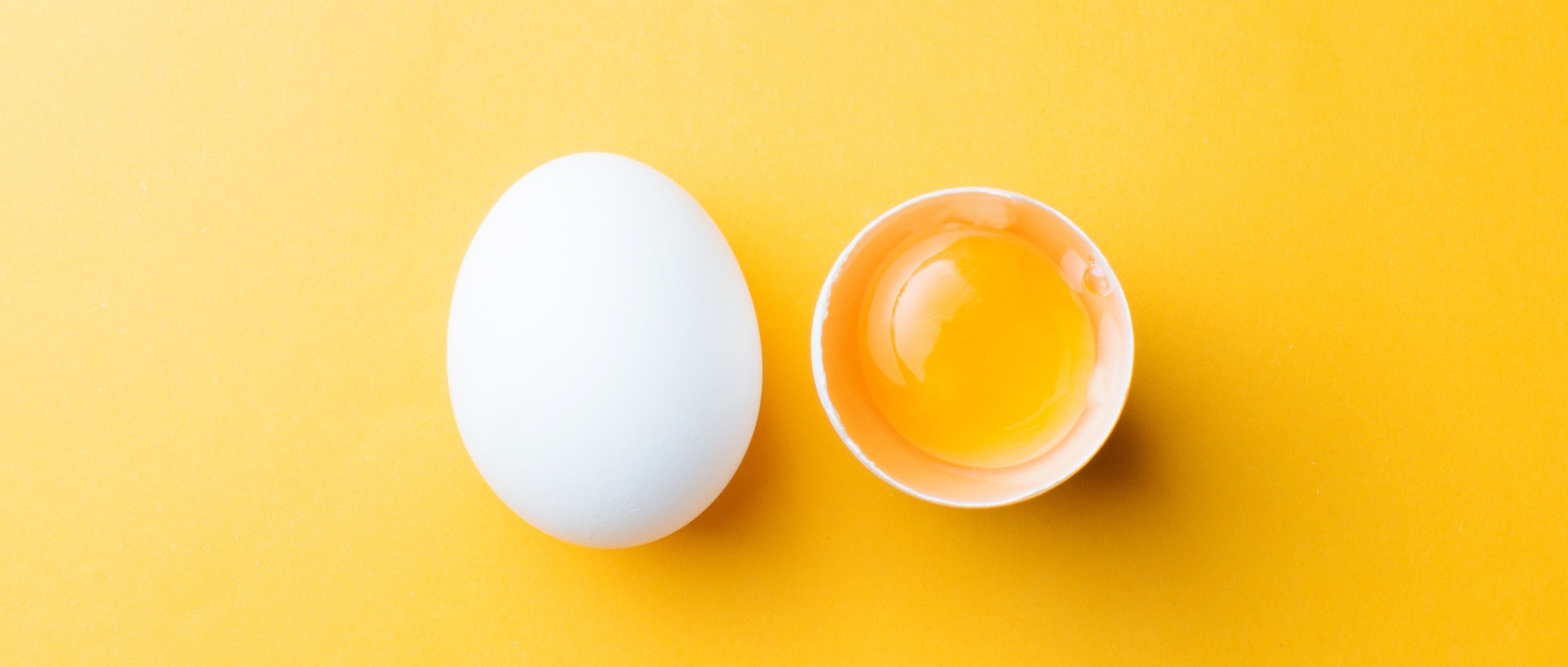
Hur en proteinrik frukost kan förbättra din hälsa
Granskad av Dr Krishna Vakharia, MRCGPFörfattad av Victoria RawUrsprungligen publicerad 30 apr 2025
Uppfyller patientens redaktionella riktlinjer
- Ladda nerLadda ner
- Dela
- Language
- Diskussion
- Ask Patient
- Ljudversion
- Lägg till i föredragna källor på Google
När vi tänker på frukost, föreställer vi oss ofta en skål med cornflakes och mjölk. Även om det är en klassisk morgonfavorit, kanske det inte är det mest effektiva sättet att starta dagen på, eftersom det saknar protein. Att lägga till mer protein till din frukost kan öka din energinivå och hjälpa dig att känna dig mätt längre.
Videoval för Hälsosam kostVideobibliotek
What is protein and why do we need it?
Protein is an essential macronutrient your body needs to stay in top form. It supports muscle growth and strength, aids in the repair of tissues, promotes faster wound healing, and plays a key role in the growth of new cells. A protein-rich diet also helps maintain strong bones, supports healthy digestion, regulates hormones, and reinforces your immune system.
Helena Barham-Coppola, Nutritional Therapist, Functional Medicine Practitioner, and Founder of Nourish&Be, London, UK, explains that around 15% of your body weight consists of protein, which is made up of skin, bones, hair, nails, organs and other tissues.
"Proteins are made up of smaller units called amino acids," she says. "Think of proteins like a beaded necklace, with each coloured bead being a different amino acid.
"There are over 500 amino acids in nature, but only 20 in humans. Of the 20 amino acids, 9 of them are essential - this is because we cannot make them, so without acquiring them through diet we would be unable to function properly."
Barham warns that a lack of protein in your diet can seriously impact your health in various ways.
Dessa inkluderar:
Muscle wasting.
Impaired immune function.
Slow wound healing.
Hormone imbalances.
Poor growth.
Other symptoms of low protein levels may present as:
Torr hud.
Utslag.
Extreme tiredness (fatigue).
Brittle hair and nails.
Fluid retention (oedema).
How much protein should you eat a day?
In the UK, most adults are recommended to eat 0.75 grams of protein for every kilogram of body weight each day. This amounts to around 45 grams daily for a 60 kilogram woman and 55 grams for a 73 kilogram man.
"0.75 grams per kilogram might be enough for adults doing minimal activity," says Barham. "However, functional needs might be better met with 1 gram for low activity, 1.3 grams for moderate activity, and 1.6 grams for people with high activity levels."
Barham advises that people over 65 should be eating 1-1.2 grams per kilogram to support muscle loss that accompanies the ageing process. People with long-term or acute health conditions are also advised to consume more - 1.2-1.5 grams per kilograms - to support their immune system and other bodily functions.
"Long-term, I would not recommend going over 2 grams per kilogram per day, as this can lead to adverse reactions," she adds.
Barham suggests that consuming animal products is the best source of protein because they contain all the essential amino acids that humans need.
Dessa kan inkludera:
Ägg.
Chicken.
Beef.
Lamb.
Game.
Fisk.
Skaldjur.
Offal.
Ost.
Yoghurt.
Some plant sources are rich in amino acids, such as:
Soybeans.
Tofu.
Tempeh.
Quinoa.
Why is having a high-protein breakfast good for you?
Protein sends signals to your brain that you're full. This means it helps to regulate your appetite and curb the urge to overeat.
Barham explains that if you start your day with a low-protein breakfast - such as a bowl of cereal and milk - this won't give you that same feeling of fullness.
"In this case, you might be inclined to eat more than you need," she warns. "It may also lead to a blood sugar spike and crash, leaving you hungry by mid-morning and reaching for the biscuits.
"On the other hand, starting your day with enough protein can leave you feeling satiated and protected from the blood sugar roller coaster."
Barham says a protein-rich breakfast can also help improve:
Cognitive function.
Hormone regulation.
Reproduktion.
"In relation to the previous point, if our bodies are not in a healthy enough state, they will not feel safe enough to reproduce, as this process requires a significant amount of energy," she explains.
"Being persistently low in protein isn’t exactly sending signals of health and environmental safety to your body, so it will not prioritise sex hormone production. In practice, low protein intake is associated with lower sex hormone levels."
Who might a high-protein breakfast be good for?
While many people can benefit from a high-protein breakfast, certain groups may experience even greater advantages.
According to Barham, those who may benefit most include:
Those wanting to lose weight.
Women of reproductive age - especially in their luteal phase.
Anyone in need of extra cognitive support.
Anyone exercising moderately or intensely.
She warns, however, that eating more protein than your daily recommended amount isn't without its downsides. Protein has an acidifying effect on the body, so she recommends including plenty of vegetables and citrus fruits to help balance it out.
Barham säger: "Don't overdo it. Eating too much protein could lead to fatigue, as your body has to divert its resources to digestion. Some people can't stomach the idea of eating too much in the morning anyway.
"I'd recommend a smaller meal than lunch, but focused on protein."
High protein breakfast ideas for busy mornings
If you're considering adding a high-protein breakfast to your daily routine but aren't sure what foods or combinations fit within the recommended daily allowance, look no further.
Barham offers some helpful meal ideas to guide you:
2 boiled eggs, and breakfast salad - radishes, chicory, cucumber, rocket - with some olive oil and lemon juice, plus a slice of rye bread.
2 egg mushroom omelette - with 30 grams of grated cheese.
75 grams of smoked salmon - with half an avocado, rye bread, and some cherry tomatoes.
120 grams of full-fat yoghurt - look for 9 grams of protein per 100 grams minimum - a handful of low-sugar granola, and a handful of fresh or frozen berries.
Low-sugar baked beans - topped with 30 grams of feta cheese, on a slice of rye bread.
Scrambled tofu - with spring onions and turmeric, on rye bread with a side of grilled mushrooms.
Patientval för Hälsosam kost
Kost och näring
Hur man äter hälsosamt med en stram budget
När du är upptagen med att få ekonomin att gå ihop kan det vara alltför lätt att förbise en hälsosam kost. Trots allt kan produkter som marknadsförs som 'hälsokost' ofta vara dyra. Men det finns gott om billigare, lika näringsrika alternativ för dem som är prismedvetna.
av Gemma Grange
Kost och näring
Hur stor är en portion?
When it comes to healthy eating, it's not just about what we eat but also how much. As portion sizes have grown over time, many of us are finding it harder to cook balanced, filling meals, without eating too much.
av Milly Evans
Om författarenVisa fullständig biografi
Författad av

Victoria Raw
Featureförfattare
BA (Hons), Engelsk litteratur
Victoria är en innehållsskribent på Patient, med särskilda intressen som sträcker sig över mental välbefinnande, samhälleliga trender och teknikens påverkan på vår hälsa.
Om recensentenVisa fullständig biografi

Dr Krishna Vakharia, MRCGP
Medicinsk chef för hälsa, Optum UK
MBChB, MRCGP(2013), BMedSci (hons), DFSRH, DRCOG, PGDipDerm (Distn)
Dr Krishna Vakharia är en NHS-läkare. Hon är också en regelbunden examinator för den postgraduate Diplom i Praktisk Dermatologi vid Cardiff University samt Chief Medical Officer för hälsa på Optum UK.
Artikelhistorik
Artikeln finns också på Engelska, Tyska, Spanska, Franska, Italienska, Portugisiska, Hindi, Hebreiska, Arabiska, och Svenska.
Next review due: 30 Apr 2028
30 apr 2025 | Ursprungligen publicerad
Författad av:
Victoria RawGranskad av
Dr Krishna Vakharia, MRCGP
Dela dina tankar eller erfarenheter med andra i vår patientgemenskaper.
Anmäl dig till Patientens nyhetsbrev
Din veckovisa dos av tydliga, pålitliga hälsoråd - skrivna för att hjälpa dig känna dig informerad, självsäker och i kontroll.
Genom att prenumerera accepterar du våra Sekretesspolicy. Du kan avsluta prenumerationen när som helst. Vi säljer aldrig dina uppgifter.