6 natural remedies for constipation
Peer reviewed by Dr Doug McKechnie, MRCGPAuthored by Victoria RawOriginally published 9 Sept 2024
Meets Patient’s editorial guidelines
- DownloadDownload
- Share
- Language
- Discussion
- Audio Version
- Add to preferred sources on Google
Constipation is common and you can usually manage it by making basic adjustments to your diet and daily routine. Let's explore some simple ways to help keep things in motion.
What is constipation?
If you're struggling to poo - or not pooing as often as usual - you're most likely experiencing constipation.
Symptoms of constipation include:
Pooing fewer than 3 times a week - or less than usual.
Your poo is dry, hard or lumpy.
Having to strain - and feeling pain - when pooing.
Feeling like your tummy hasn't fully emptied.
Tummy ache, bloating or feeling sick.
What might cause constipation?
Constipation can happen for many reasons - these include:
Not eating enough fibre.
Lack of healthy exercise or being generally inactive.
Not drinking enough water.
Holding in your poo too often.
Changes in your diet or routine.
Mental health conditions such as stress, anxiety or depression.
Avery Zenker, a registered dietitian based in Ontario, Canada, explains certain foods can lead to constipation such as:
Dairy products.
Red meat.
Refined grains.
Chocolate.
Some artificial sweeteners.
Unripe bananas.
She also says certain eating habits can also contribute to symptoms, including:
Eating too late at night.
Frequent snacking.
Eating too large meals.
Alyssa Pacheco, a registered dietitian from Greater Boston, USA adds that certain medical conditions or medicines may cause constipation or make it worse.
Some examples of these are:
Pain medicines.
Antacids - for example, Tums.
Iron supplements.
"Constipation is also common during pregnancy due to natural hormone shifts," she says.
What are the most effective natural remedies for constipation?
You can ease constipation by making small adjustments to your diet and lifestyle. While this might not always work straight away, you should notice some improvements within a couple of weeks.
1. Add more fibre to your diet
One way to manage and reduce your chance of constipation is to eat more fibre.
According to gastroenterologist, Dr Asma Khapra, Gastro Health, Virginia, USA, you should ideally consume around 25-35 grams of fibre a day.
She says: "Bran, prunes and kiwi are especially good for improving constipation."
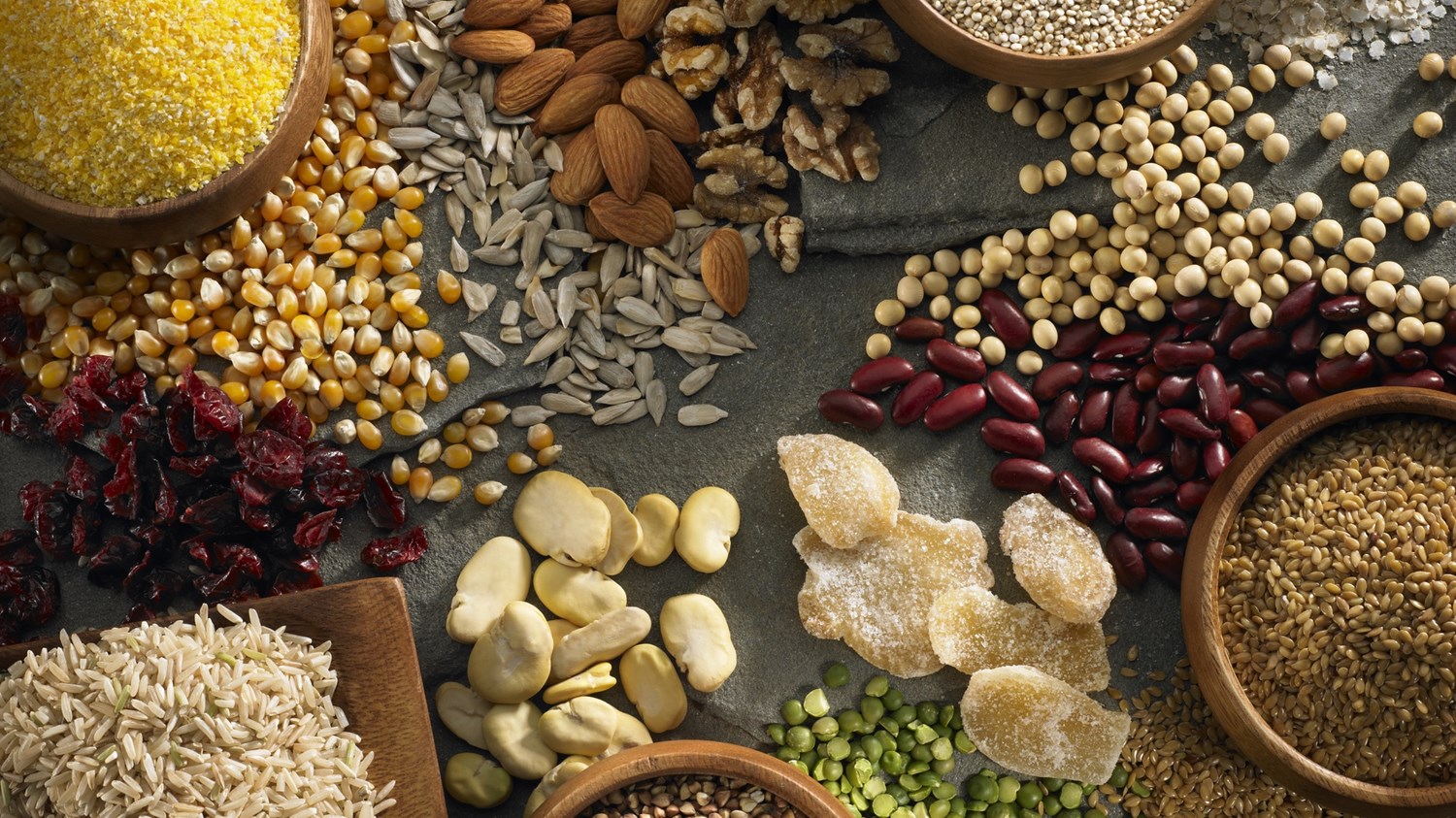
Samantha Turner, registered dietitian nutritionist, OakStone Health and Nutrition, Virginia, USA explains that high-fibre foods include fruits, vegetables, whole grains, beans and legumes, and nuts and seeds.
2. Top up on fluids
Aim to drink around 6-8 glasses of fluid a day. Water is best, but low-fat milk and unsweetened tea or coffee within safer limits are also contributing sources.
Pachecho says drinking plenty of the right things helps keep things moving through your digestive tract. It will also help keep your poo softer and easier to pass.
3. Exercise regularly
Adding exercise to your daily routine can help you poo more regularly.
Khapra says: "Your colon - the part of your body where waste is formed - like other muscles in the body, responds to exercise. Sometimes a tummy massage can help encourage the movement of food through your digestive system."
Turner adds that even something as simple as a brisk 30-minute walk can stimulate digestion.
4. Increase your sorbitol intake
Fruits containing sorbitol - a naturally occurring sugar alcohol - can have a laxative effect on your tummy. Pacheco says this might provide gentle relief from constipation compared to over-the-counter laxatives.
Good sources of sorbitol include:
Pears.
Prunes.
Strawberries.
Apples.
Grapes.
Raspberries.
Apricots.
Michelle Routhenstein, Cardiology Dietitian at EntirelyNourished.com says that including probiotics - like kefir or sauerkraut - in your diet can help establish a regular digestive routine.
Khapra and Avery add that magnesium supplements and psyllium husk - a type of soluble fibre - can also ease constipation.
5. Warm drinks and relaxation may help
Warm drinks - particularly those with caffeine such as coffee - can help stimulate the digestive system and treat symptoms of constipation.
Turner says: "Drinking a cup of warm water with lemon juice and taking one teaspoon of olive oil on an empty stomach can also provide relief."
6. Relax
Stress can contribute to constipation. Zenker says that when the body is in a stressed “fight or flight or freeze” state, it's not directing as much energy towards digestive function. The more relaxed “rest and digest” state is best for digestion.
Lack of sleep - or changes in sleep patterns - can increase the likelihood of constipation. If possible, finish your last bite at least two hours before bedtime.
When should you seek medical help?
If your constipation lasts for more than two weeks, then it's time to see your doctor or pharmacist.
Routhenstein says that constipation could sometimes be a symptom of a medical condition such as irritable bowel syndrome (IBS), hypothyroidism, neurological disorders - such as Parkinson's disease - or an issue with your colon, such as diverticulosis.
She advises you to seek medical help if your constipation is accompanied by the following symptoms:
Severe tummy pain.
Persistent bloating.
Blood in your poo.
Bleeding from your bottom.
Unexplained weight loss.
Turner adds that long-term constipation could also be a sign of bowel obstruction or cancer.
If you're having constipation, don't worry. It's a common condition. Try these remedies first, but if your symptoms don't improve within a few weeks, speak to your doctor or pharmacist. If you have any of the above symptoms, it's best to seek immediate medical advice.
Patient picks for Bowel problems
Digestive health
How to treat bowel incontinence
Bowel incontinence (or faecal incontinence) is undeniably a difficult subject to talk about. Despite being very common, the problem tends to be stigmatised, with many sufferers failing to mention it to their medical practitioner. Nearly half of all people with incontinence wait at least five years before seeking help.
by Abi Millar
Digestive health
Coeliac disease diet sheet
Coeliac disease is a condition that causes inflammation in the lining of part of the gut (called the small intestine). The lining of the gut contains millions of tiny tube-shaped structures called villi. These help food and nutrients to be digested more effectively into the body. But in people with coeliac disease, the villi become flattened as a result of the inflammation. This means that food and nutrients are not so readily digested by the body.
by Dr Colin Tidy, MRCGP
About the authorView full bio

Victoria Raw
Feature Writer
BA (Hons), English Literature
Victoria is a content writer at Patient, with special interests spanning mental wellbeing, societal trends and the impact of technology on our health.
About the reviewerView full bio

Dr Doug McKechnie, MRCGP
Medical Writer
MA, MBBS, MSc, DRCOG, MRCP(UK), MRCGP(2021), FHEA
Dr Doug McKechnie is an NHS GP working in London. He works full-time clinically and is also the Deputy Lead for the Clinical and Professional Practice module at University College London Medical School.
Article history
The information on this page is peer reviewed by qualified clinicians.
Article also available in English, German, Spanish, French, Italian, Portuguese, Hindi, Hebrew, Arabic, and Swedish.
Next review due: 9 Sept 2027
9 Sept 2024 | Originally published
Authored by:
Victoria RawPeer reviewed by
Dr Doug McKechnie, MRCGP
Join the conversation
Share your thoughts or experiences with others in our patient communities.

Ask, share, connect.
Browse discussions, ask questions, and share experiences across hundreds of health topics.

Feeling unwell?
Assess your symptoms online for free
Sign up to the Patient newsletter
Your weekly dose of clear, trustworthy health advice - written to help you feel informed, confident and in control.
By subscribing you accept our Privacy Policy. You can unsubscribe at any time. We never sell your data.
More in digestive health
- C-section babies have different gut bacteria to those born vaginally
- Coeliac disease diet sheet
- Common causes of an itchy bottom
- Could it be gallstones?
- Does aloe vera juice really help with gut health?
- How to avoid food poisoning this summer
- How to deal with gastroenteritis
- How to deal with heartburn during pregnancy
- How to look after your liver during freshers’ week
- How your gut affects your overall health
- Piles (haemorrhoids) treatment options
- Probiotics for IBS: do they work?
- Sneaky ways to eat more fibre
- The best gut health foods - and why you need them
- What blood in your poo could mean
- What is small intestinal bacterial overgrowth (SIBO)?
- What is the link between IBS and anxiety?
- What it means when you constantly need to burp
- When to worry about indigestion
- Which foods trigger irritable bowel syndrome?