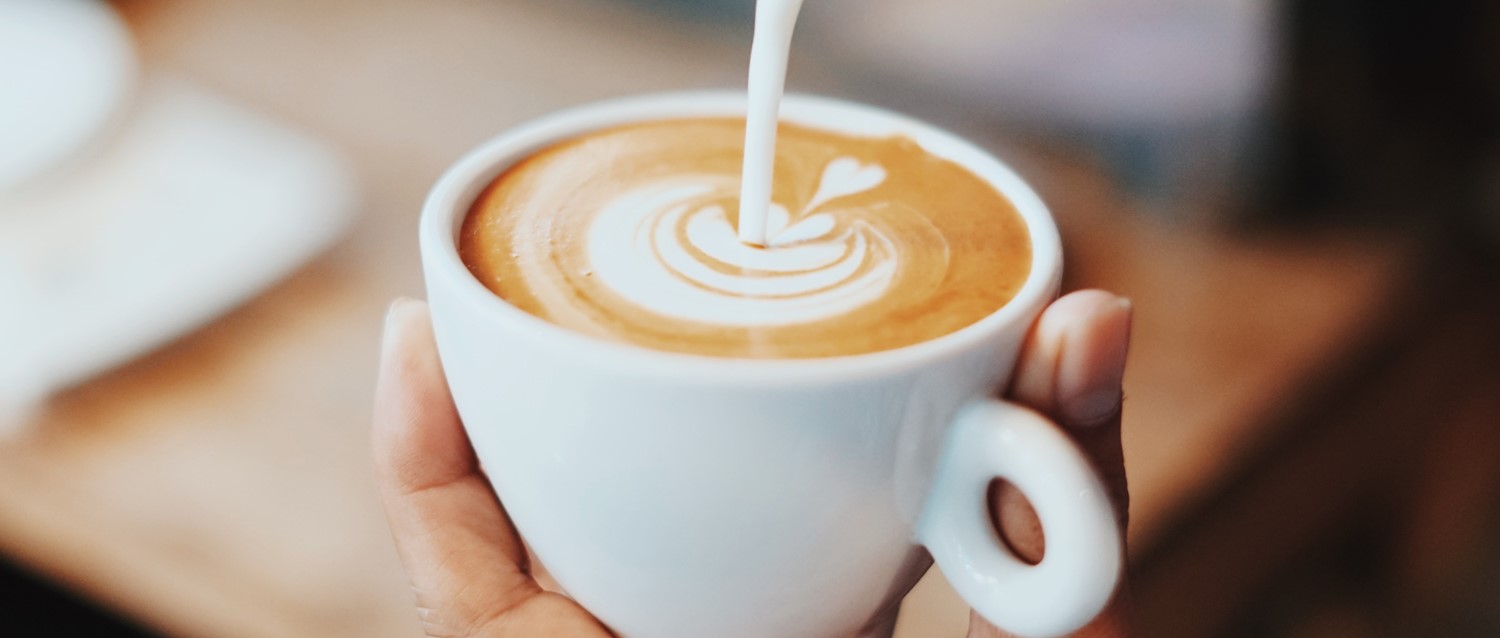
Why can drinking coffee trigger diarrhoea?
Peer reviewed by Dr Krishna Vakharia, MRCGPLast updated by Victoria RawLast updated 29 Apr 2024
Meets Patient’s editorial guidelines
- DownloadDownload
- Share
- Language
- Discussion
- Audio Version
- Add to preferred sources on Google
There are few things better than a cup of coffee in the morning to get you going for the day. However, coffee can be a wake-up call for both our mind and our gut - and can trigger a sudden urge to go to the toilet. But why does drinking coffee sometimes spark an unexpected need to poo?
Why coffee makes you need the toilet
Coffee is known to fire up our digestive system, but researchers think there could be various reasons for this reaction. One cause is believed to be the high caffeine content in coffee, compared to other hot drinks like tea.
Caffeine
"Coffee is one of many food substances that is high in caffeine, and the caffeine in the coffee can affect your need to visit the toilet," says Dr Bridgette Wilson, a registered dietitian from City Dietitians in London. "Other common foods that are also high in caffeine include tea, energy drinks, cola beverages and dark chocolate."
Various studies suggest that caffeine has a laxative effect - meaning it encourages your body to poo. In one study, researchers gave participants either water or caffeine powder dissolved in water and measured their anorectal function - which controls how poo is released from your body. The results suggested that drinking caffeine led to stronger spasms around your anal muscles and an increased urge to use the loo1.
"Caffeine is a gastrointestinal stimulant which means that it speeds up peristalsis (muscle contractions that move food through the digestive tract)," says registered dietitian Caroline Bletcher. "Therefore it speeds up activity through the bowel, resulting in symptoms such as diarrhoea and stomach cramping."
Coffee stimulates the release of hormones
Research has suggested there may be other factors at play too. Both caffeinated and decaffeinated coffee stimulate the production of the hormone gastrin, which signals the stomach to release gastric acid. As gastrin promotes digestion, it may contribute to our urge to go to the toilet after drinking coffee 2.
Coffee stimulates the gastrointestinal tract
Another reason why coffee impacts our bowels is due to something called the gastrocolic reflex. This is a bodily response in which the act of eating or drinking boosts movement in the gastrointestinal tract. Therefore, the simple act of drinking a cup of coffee with breakfast may be enough to trigger the need to 'go'. Additionally, this reflex responds more quickly in the mornings, which is when many people reach for their coffee pot 3.
The acidic nature of coffee can also stimulate the bowels, which may explain why some people have tummy trouble with decaffeinated coffee as well as regular coffee. Both decaf and caffeinated versions contain chlorogenic acid, which triggers higher stomach acid levels and higher production of gastric acid. In turn, this acid helps to move food through the gut.
Lactose intolerance
If you like a dash of milk or cream in your coffee, intolerance to lactose may cause some people to experience digestive discomfort like bloating, stomach cramps, or diarrhea after consuming dairy products. This happens because lactose, a sugar found in milk and dairy products, can trigger digestive issues in those who are lactose intolerant4.
Coincidence
There is something to be said for pure and simple coincidence. An increased need to poo in the morning may have nothing to do with the fact you're drinking coffee. When you are asleep, the activity in your bowels is half as much as when you are awake. This natural increase in bowel movements might be the reason some people associate their loo habits with their early caffeine hit5.
Can coffee affect irritable bowel syndrome?
"People with irritable bowel syndrome (IBS) may have a more sensitive gut and therefore the effect of caffeine could be more noticeable," says Wilson. "Caffeine is what is known as a stimulant, meaning that it can lead to over-excitation of the nervous system, including the nervous system attached to our gut.
"When the gut nervous system is overstimulated, it can lead to increased contractions within the large bowel, leading to cramping sensations, looser poo and a more urgent need to visit the toilet. Some people with IBS already experience symptoms associated with over-stimulation of the gut nervous system. So, coffee and other sources of caffeine could make this worse."
However, Wilson adds, it is worth remembering that there are many causes of IBS and people react differently to substances like coffee. "Not everyone with IBS will have an over-excited gut nervous system, so for those people caffeine is no more likely to lead to gut issues than in people without IBS," she says.
How you can prevent the urge to poo after drinking coffee
Of course, getting things moving along isn't always a bad thing. It is generally advised that people limit their caffeine intake to 400 mg a day, which is between 3 to 5 cups. Pregnant women should drink no more than 200 mg of caffeine a day. However, some people may be more sensitive than others to the effects of a flat white.
Cut down your coffee intake
If you struggle with tummy problems after drinking coffee you may find it useful to cut down on your caffeine intake. Decaf or half-caffeinated coffee may help and there is some research to suggest that the type of coffee you're drinking could have an impact too. Another study suggested that dark roast coffee produced less stomach acids than a medium roast, due to its different balance of chemicals 6.
Don't drink coffee on an empty stomach
Although many people reach for the coffee machine before breakfast, drinking a fresh brew on an empty tummy may worsen negative effects like diarrhoea and stomach cramps. Having a coffee with or after food may help.
Be wary of extras
Sometimes, how coffee is taken can have an effect too. Some may find that adding cow's milk, cream, syrups, sugar or sweeteners can trigger an uncomfortable feeling in your tummy.
However, coffee sensitivity is personal and it may be a case of trial and error to find out what works best.
Further reading
1. Lohsiriwat et al: Effects of caffeine on anorectal manometric findings
2. Acquaviva et al: Effect of regular and decaffeinated coffee on serum gastrin levels
Patient picks for Diarrhoea

Digestive health
When to worry about diarrhoea
It may not be dinner party conversation, but most of us have had tummy trouble at some point. Having diarrhoea, vomiting and colicky tummy pain together often signifies food poisoning or a bug, but if it goes on, you need it looked into. Short-term diarrhoea due to a tummy bug is common, but see your doctor if it persists for over a week. Likewise, always see your doctor if you've recently travelled somewhere exotic (outside Western Europe, the USA or Australasia), if you have blood in the diarrhoea or vomit, or if you have other long-term health conditions.
by Dr Sarah Jarvis
Digestive health
The best and worst foods to eat with dumping syndrome
If you've had upper gut surgery, you may be prone to the cramps, bloating, vomiting and other symptoms of dumping syndrome. That's because surgery to your stomach can disrupt the usual regulation of movement of food through your system, with food dumped too quickly into the small intestine. However, it is possible to create a diet that is balanced and dumping syndrome-friendly.
by Emily Jane Bashforth
About the authorView full bio

Lydia Smith
Feature writer
BA, MA, MSc
Lydia Smith is an award-winning journalist and feature writer who has written extensively on women's health and mental health. She is currently studying for an MSc in psychology.
About the reviewerView full bio

Dr Krishna Vakharia, MRCGP
Chief Medical Officer for Health, Optum UK
MBChB, MRCGP(2013), BMedSci (hons), DFSRH, DRCOG, PGDipDerm (Distn)
Dr Krishna Vakharia is an NHS GP. She is also a regular examiner for the postgraduate Diploma in Practical Dermatology at Cardiff University as well as being the Chief Medical Officer for health at Optum UK.
Article history
The information on this page is peer reviewed by qualified clinicians.
Article also available in English, German, Spanish, French, Italian, Portuguese, Hindi, Hebrew, Arabic, and Swedish.
Next review due: 29 Apr 2027
29 Apr 2024 | Latest version
14 Oct 2021 | Originally published
Authored by:
Lydia Smith
Join the conversation
Share your thoughts or experiences with others in our patient communities.

Ask, share, connect.
Browse discussions, ask questions, and share experiences across hundreds of health topics.

Feeling unwell?
Assess your symptoms online for free
Sign up to the Patient newsletter
Your weekly dose of clear, trustworthy health advice - written to help you feel informed, confident and in control.
By subscribing you accept our Privacy Policy. You can unsubscribe at any time. We never sell your data.
More in digestive health
- 6 natural remedies for constipation
- Appendicitis in children: what are the signs?
- Could it be gallstones?
- Does aloe vera juice really help with gut health?
- Fatty liver diet: foods to eat and avoid
- Heartburn at night: how to improve sleep quality with heartburn
- How gut bacteria affect mood, focus and brain health
- How to get rid of haemorrhoids
- How to look after your liver
- Hypnotherapy for IBS: the gut-brain axis
- IBS diet: foods to eat and avoid
- Probiotics for IBS: do they work?
- The best and worst foods to eat with dumping syndrome
- The best gut health foods - and why you need them
- The link between gut health and happiness
- What causes nighttime stomach cramps?
- What is your gut microbiome?
- What it's like to have an invisible disability
- What's causing your lower abdominal pain?
- What's the difference between IBS and IBD?