What is Reformer Pilates and why is it so popular?
Peer reviewed by Dr Colin Tidy, MRCGPLast updated by Victoria RawLast updated 29 Sept 2026
Meets Patient’s editorial guidelines
- DownloadDownload
- Share
- Language
- Discussion
- Audio Version
- Add to preferred sources on Google
Pilates is a form of exercise that focuses on controlled movements and breathing to enhance strength, posture, and balance. Unlike Mat Pilates, Reformer Pilates uses specialised equipment to give a more complete full-body workout.
Here, we look at the differences between the two and explore how Reformer Pilates can impact your physical health.
What is Reformer Pilates?
Reformer Pilates is similar to traditional Pilates, but it's performed using a specific machine called a Reformer. The Reformer is a large piece of apparatus consisting of a sliding platform (carriage) set within a metal frame and attached by springs to the frame.
Helen O'Leary, Physiotherapist and Clinical Pilates Expert, Complete Pilates, London, UK says exercises on the Reformer can be performed lying, sitting, kneeling, or standing on the carriage, which moves along the frame using straps and pulleys.
Helen O'Leary
Is Reformer Pilates different to normal Pilates?
Using a Reformer enhances your Pilates experience, providing a more complete workout than Mat Pilates alone.
"It's designed to make exercises more challenging," O'Leary says. "Not only that, it can be used in a way that assists you and makes exercises easier. This makes Reformer Pilates more suitable for a greater variety of people."
O'Leary highlights the key elements of the Reformer, along with some of its signature exercises:
Springs - attached to the Reformer platform, and has adjustable resistance levels. Greater resistance focuses on strength training, while lighter resistance offers assistance during certain exercises.
Carriage and straps - the Reformer's moving carriage and accompanying straps gives more sensory feedback than mat-based exercises. Holding straps or pressing on bars offers tactile input, which enhances functional movement skills, such as grip strength for everyday tasks.
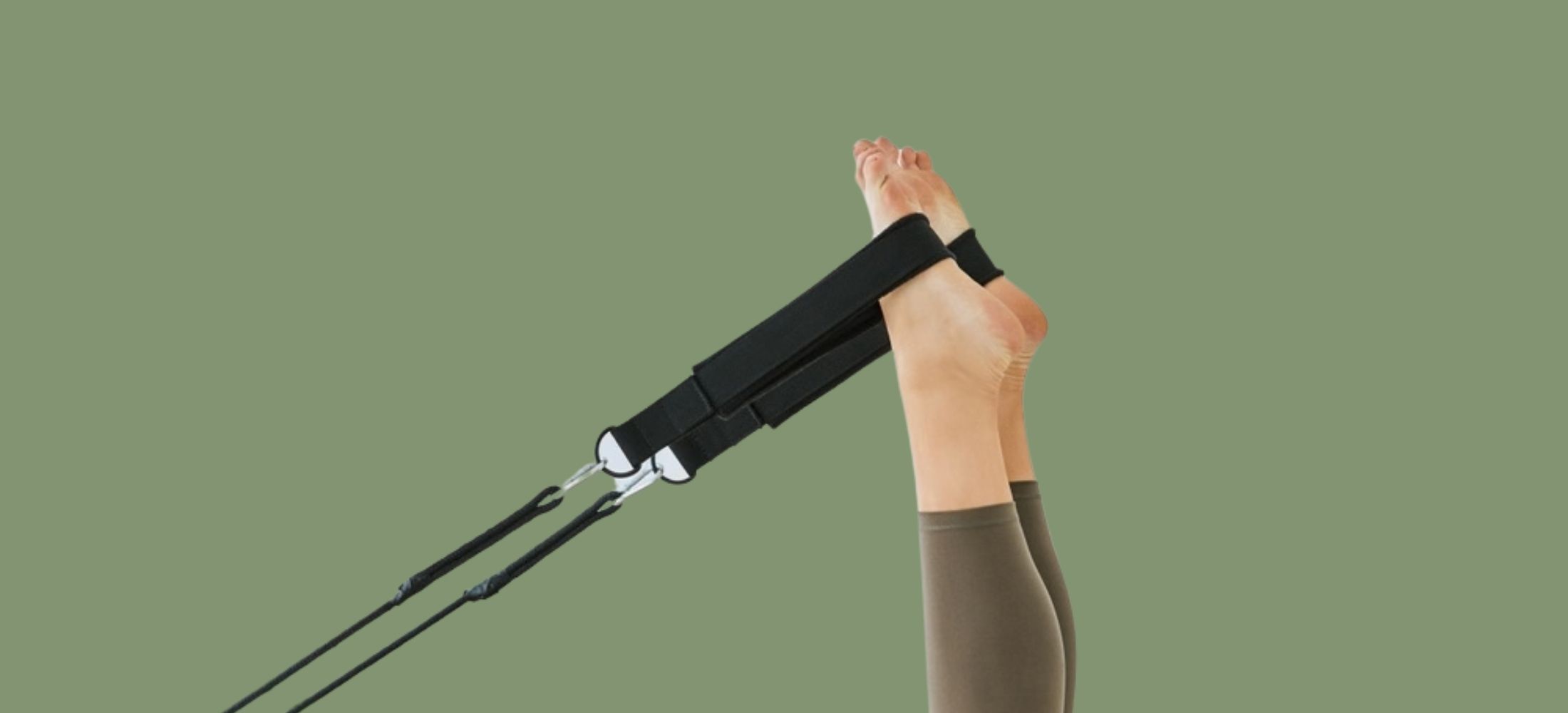
Feet-in-straps - performed lying down with your feet secured in straps. These straps support the weight of your legs, allowing you to lift and lower them without straining your back. This exercise is excellent for improving hip mobility, leg flexibility, and core strength.
The scooter - a functional exercise performed from a standing position. To do it, kneel on the carriage with one leg while standing on the other, then push the carriage away. This movement builds single-leg balance, strengthens your legs, and improves pelvic stability, making it especially good for runners.
What is Reformer Pilates good for?
Building strength
Reformer Pilates emphasises controlled, deliberate movements. These practices enhance awareness of your body, which can improve your posture, coordination, and functional movements.
"The primary physical and mental health benefits of Reformer Pilates are similar to Mat Pilates," says O'Leary. "It promotes a mind body connection, which improves awareness of your movement, and builds strength in your body."
She adds that the Reformer is particularly effective in building strength in your abdominal muscles and enhancing stability throughout your body.
O'Leary says: "For the right person, it will be really suitable for improving overall body strength. This may improve muscle mass and will make other types of exercise easier."
Rehabilitation
Beyond the basics, Reformer Pilates introduces new and more challenging strength exercises. It opens up a wider variety of exercises for people with injuries or weight-bearing restrictions, as many can be done lying down.
O'Leary says: "The Reformer can be used to rehabilitate people with all types of conditions - however, we do find that people who are experiencing back pain find it particularly supportive and helpful."
Weight management
Reformer Pilates can be a helpful tool for weight management, but it should be incorporated as part of a broader, well-rounded weight loss plan.
O'Leary says this includes a balanced diet, exercise that gets your heart pumping, and strength training. Pilates primarily enhances overall fitness rather than being a standalone solution for weight loss.
Mental health
By prompting you to practice focused breathing and concentration, Pilates can help regulate your sympathetic nervous system and reduce your fight-or-flight response.
"Engaging in positive action for your body also gives your mental health a boost," says O'Leary. "Being stronger and more mobile may, in turn, build your confidence and a create sense of overall wellbeing.
"In addition, because people generally find that Reformer Pilates is so fun, it helps make regular exercise seem a less onerous task."
Is Reformer Pilates ok for beginners?
If you’re new to Pilates, don’t be discouraged by the idea of trying Reformer Pilates first.
O'Leary explains that it’s perfectly suitable for beginners and can be a great way to start your Pilates journey.
"As long as you can get on and off the Reformer safely, Reformer Pilates is pretty much safe for everyone," she says. "However, the Reformer is a tool, and how you use it determines whether it is suitable.
"If you're young and relatively fit, heading to a Reformer Pilates fitness style group class might be just what you need. However, if you've had an injury, or you're new to exercise, you may struggle to keep up, or even injure yourself."
O'Leary suggests that if you fit into this last category, you should take a few one-to-one classes to familiarise yourself with the equipment and tailor the exercises to meet your needs.
Similarly, if you have a medical condition, then it's best to work with an experienced Pilates instructor who has additional training in managing health conditions.
"Better still, working with a Pilates instructor who is also a trained medical professional - such as a physiotherapist - would be best," she adds.
O'Leary says: "If you are heavily pregnant or have balance issues, you should avoid doing standing work on a Reformer, due to your likelihood of falling."
How often should you do Reformer Pilates?
How often you attend Pilates sessions depends on the intensity and type of classes you choose.
O'Leary says a minimum of two sessions per week should be enough to see noticeable results.
"If you find them super challenging and feel sore afterwards, two or three times per week is suitable," she says. "If the sessions are more gentle or focus on mobility and technique, then you could do more."
Many people find that Reformer Pilates offers a fun, enjoyable way to exercise. Its friction-free form of movement makes it feel more dynamic compared to traditional Mat Pilates or a gym workout.
O'Leary says: "There is the added advantage of being able to work quite hard whilst lying down. This is not just for those who shun high intensity exercise. It can also be extremely beneficial for those who have back pain or can’t tolerate sitting and standing positions."
The addition of a reformer to your exercise routine also adds hundreds of different creative variations on exercises to keep your workouts engaging.
Patient picks for Exercise and physical activity

Healthy living
Deep resting squat - can this simple posture unlock flexibility, mobility, and longevity?
When we go to sit down, most of us instinctively head straight for a chair or comfy sofa without giving it a second thought. Modern life has normalised this way of sitting, with many of us rarely considering any other position. Over time, however, this habit can negatively affect our flexibility, mobility, and strength. Popular across much of the world, the deep resting squat offers a natural alternative - and a range of potential benefits.
by Hannah Boynton-Forshaw
Healthy living
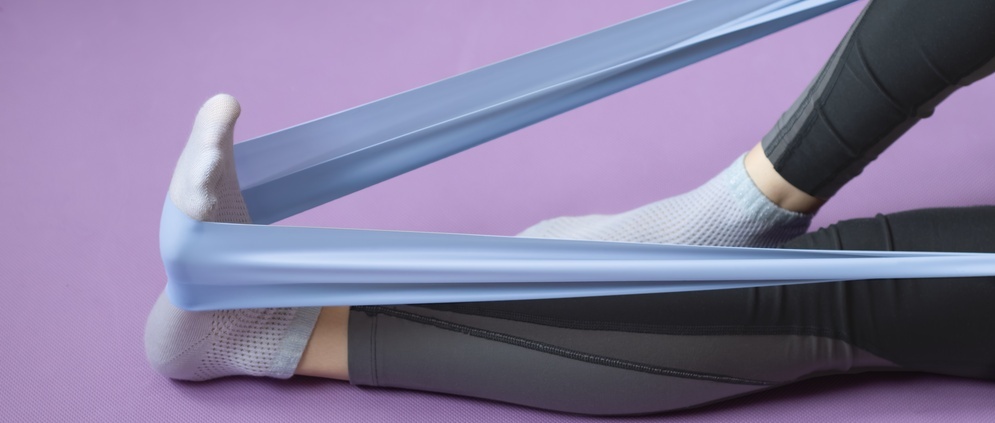
The best resistance band workouts to build muscle
Resistance bands are a great way to improve the quality of your strength training routine. They can be incorporated into numerous exercises, adding extra force so that your muscles have to work harder to perform each task.
by Lynn Stephen
About the authorView full bio

Victoria Raw
Feature Writer
BA (Hons), English Literature
Victoria is a content writer at Patient, with special interests spanning mental wellbeing, societal trends and the impact of technology on our health.
About the reviewerView full bio

Dr Colin Tidy, MRCGP
General Practitioner, Medical Author
MBBS, MRCGP, MRCP (Paediatrics), DCH
Dr Colin Tidy is an NHS Doctor, based in Oxfordshire.
Article history
The information on this page is peer reviewed by qualified clinicians.
Article also available in English, German, Spanish, French, Italian, Portuguese, Hindi, Hebrew, Arabic, and Swedish.
Next review due: 30 Sept 2029
29 Sept 2026 | Latest version
27 Feb 2025 | Originally published
Authored by:
Victoria Raw
Join the conversation
Share your thoughts or experiences with others in our patient communities.

Ask, share, connect.
Browse discussions, ask questions, and share experiences across hundreds of health topics.

Feeling unwell?
Assess your symptoms online for free
Sign up to the Patient newsletter
Your weekly dose of clear, trustworthy health advice - written to help you feel informed, confident and in control.
By subscribing you accept our Privacy Policy. You can unsubscribe at any time. We never sell your data.
More in healthy living
- Can counselling help you decide when or whether to have children?
- Can creatine supplements help build muscle?
- Can fitness trackers help boost activity levels in adults?
- Can hypnotherapy help insomnia?
- Can probiotics treat obesity and diabetes?
- Debunking lesbian stereotypes and myths
- Do naps count as sleep?
- How does your period impact your sleep?
- How to avoid injury while strength training
- How to ease your menopause sleep problems
- How to get over gym anxiety
- How to get over your fear of exercise
- How to talk to your partner about painful sex
- Natural protein verses protein powder: which is better for strength training?
- Smoking effects on skin: from ageing to illness
- The truth about vaping
- What are the best resistance band exercises for legs?
- What are the long-term benefits of exercise?
- What does smoking do to your heart?
- What to do when you're waiting for drug or alcohol services