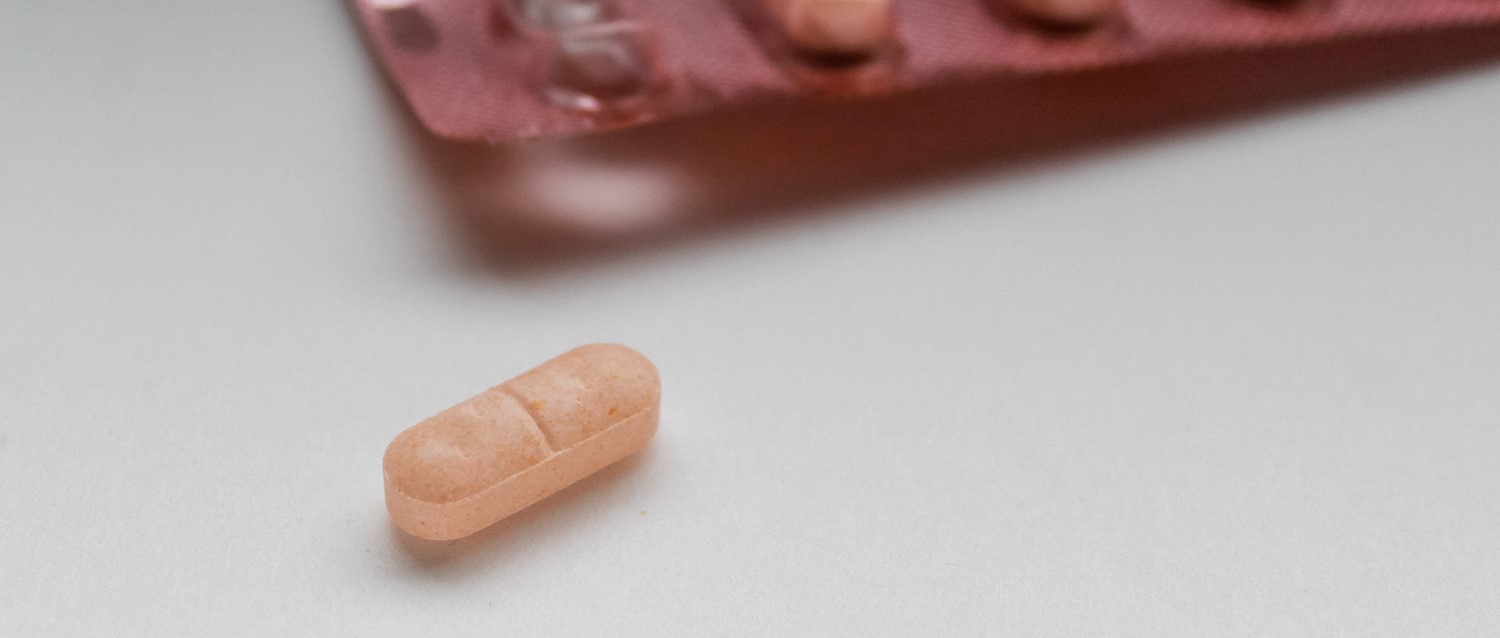
Fyra-i-en-piller kan förebygga hjärtproblem
Granskad av Natalie HealeyFörfattad av Ashwin BhandariUrsprungligen publicerad 23 aug 2019
Uppfyller patientens redaktionella riktlinjer
- Ladda nerLadda ner
- Dela
- Language
- Diskussion
- Ask Patient
- Ljudversion
- Lägg till i föredragna källor på Google
A 'polypill', which combines four different drugs, can cut the risk of heart disease and stroke, according to new research.
Explore blood pressure treatment options
Get expert healthcare advice from the comfort of home. Complete a quick online consultation, available 24/7, with your request reviewed by a UK-registered clinician. Next day delivery available on eligible treatments.

Taking one daily pill containing a number of different medications could reduce the risk of heart attack, stroke och heart failure.
The low-cost 'polypill' combines four drugs, including a cholesterol-lowering statin, aspirin and two medicines that prevent high blood pressure.
A study, published in The Lancet, has shown that the pill can reduce the risk of heart disease by 34%
Experts at Tehran University of Medical Sciences in Iran, recruited almost 7,000 people aged 55 and over from 236 villages in northern Iran. Each village was allocated to one of two groups.
Those in the first group were given general advice on diet, exercise and smoking. Participants in the second group were given the same advice, but were also required to take the polypill each day.
After five years, 202 people in the group that took the combination pill had suffered a heart attack or a stroke, compared with 301 in villages where only lifestyle advice was given.
Some participants reported unpleasant side effects from long-term use such as dizziness, muscle pain and indigestion. However, complications were said to be as common in those not taking the pill.
Co-author professor Tom Marshall from University of Birmingham said: "Polypills are commercially available in a number of countries for secondary prevention, but this is the largest trial confirming the value of the polypill and showing it is effective in primary prevention."
"The idea of the polypill has always been appealing, and now we know that a fixed-dose polypill can achieve clinical benefits in practice," says Professor Reza Malekzadeh from Tehran University of Medical Sciences in Iran who led the research.
Despite the benefits of the polypill, Malekzadeh stressed that this medication is not an alternative to a healthy lifestyle, and should be combined with physical activity and a balanced diet.
Dr Kate Holmes, assistant director of research, Stroke Association, said: "We know that there is a growing problem of stroke and other cardiovascular diseases in low- and middle-income countries and that preventative strategies are urgently needed if we are to address this problem. Governments who can provide access to a low-cost polypill would be making significant progress towards the World Health Organization’s goal of Universal Health Coverage, that is, for all people to receive the health services they need without suffering financial hardship."
Explore blood pressure treatment options
Get expert healthcare advice from the comfort of home. Complete a quick online consultation, available 24/7, with your request reviewed by a UK-registered clinician. Next day delivery available on eligible treatments.
Patientval för Hjärtsjukdom
Hjärthälsa och blodkärl
Fyra-i-en-piller kan förebygga hjärtproblem
A 'polypill', which combines four different drugs, can cut the risk of heart disease and stroke, according to new research.
av Ashwin Bhandari

Hjärthälsa och blodkärl
Who should take aspirin every day?
When I first became a GP, most of the medicines I prescribed were to treat symptoms, not to stop people getting them. But these days we have a host of medicines designed to keep you in good health, even if you feel fine. But which ones, if any, should you be taking?
av Dr Sarah Jarvis
Om författarenVisa fullständig biografi
Författad av

Ashwin Bhandari
Medicinsk skribent
Kandidatexamen i journalistik
Om recensentenVisa fullständig biografi

Natalie Healey
Frilansjournalist
BSc (Hons) Biomedicinsk vetenskap
Hon är en hälsojournalist baserad i London som har skrivit om vetenskap och medicin i flera år. Hon är tidigare redaktionschef på Patient.
Artikelhistorik
Artikeln finns också på Engelska, Tyska, Spanska, Franska, Italienska, Portugisiska, Hindi, Hebreiska, Arabiska, och Svenska.
23 aug 2019 | Ursprungligen publicerad
Författad av:
Ashwin BhandariGranskad av
Natalie Healey
Dela dina tankar eller erfarenheter med andra i vår patientgemenskaper.
Enkel tillgång till pålitliga behandlingar och hälsotjänster online.
Common conditions
Get help with common conditions through the NHS, without a GP appointment.





Anmäl dig till Patientens nyhetsbrev
Din veckovisa dos av tydliga, pålitliga hälsoråd - skrivna för att hjälpa dig känna dig informerad, självsäker och i kontroll.
Genom att prenumerera accepterar du våra Sekretesspolicy. Du kan avsluta prenumerationen när som helst. Vi säljer aldrig dina uppgifter.