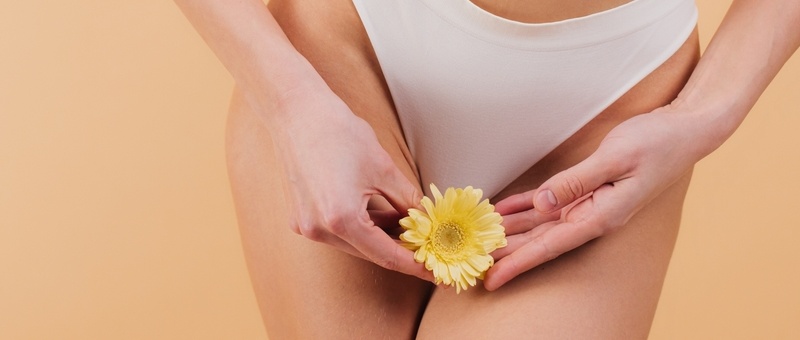
Vad är vulvar dermatit?
Granskad av Dr Colin Tidy, MRCGPSenast uppdaterad av Victoria RawSenast uppdaterad 2 Jul 2025
Uppfyller patientens redaktionella riktlinjer
- Ladda nerLadda ner
- Dela
- Language
- Diskussion
- Ljudversion
- Lägg till i föredragna källor på Google
Vulvar dermatit påverkar huden runt din vagina. Behandlingen beror på den underliggande orsaken. Vi frågade en hudläkare för att hjälpa oss förstå varför du kan få vulvar dermatit och hur det kan behandlas.
Vulvar dermatitis is a skin condition that causes itching, irritation, and inflammation of the outside area surrounding your vagina (vulva) - including your clitoris and labia. Your vagina and anus are inside your body so are not part of the vulval area.
What are the symptoms of vulvar dermatitis?
Common signs of vulvar dermatitis include dry skin, itching, burning, and the appearance of a red rash.
Other symptoms of vulvar dermatitis include:
Sore skin that feels like it's stinging.
Skin that is thicker in the affected area.
Areas of skin that appear red or darker.
Skin that feels wet and is leaking fluid.
Pain in your vulva area during sex, when inserting a tampon, or during a medical internal pelvic exam.
Dr Sophie Momen, Consultant Dermatologist, Cadogan Clinic, London says that vulvar dermatitis can impact your quality of life, causing discomfort and sometimes embarrassment if affecting intimate relationships.
"The British Association of Dermatologists (BAD) and the National Eczema Society (NES) have excellent informative resources, including local and national support groups," she says. "However, it's important to have any symptoms assessed by a healthcare professional.
"Any rash or lump and bump that does not go away - either on its own or after a course of prescribed treatment - may suggest a more serious underlying condition."
What causes vulvar dermatitis?
Vulvar dermatitis may be caused by vulvar eczema (atopic dermatitis) or kontaktdermatit.
Momen explains that if your vulvar dermatitis is caused by vulvar eczema, you may have a history of eczema in other areas of your body.
"You might also have had other atopic diseases, such as hay fever, allergies and rhinitis - a condition where your nose becomes inflamed by something you're allergic to," she explains. "If it is due to an allergy, then you may not have had eczema previously."
According to Momen, vulval skin is sensitive and can be irritated easily by certain irritants, allergens and products.
Dessa inkluderar:
Cosmetics and toiletries - for example, soaps, shampoos, perfumes, deodorants.
Toilet wipes.
Panty liners.
Synthetic material - for example, nylon.
Lubricants.
Food preservatives.
Nickel.
Pee.
Poo.
How is vulvar dermatitis treated?
Treating vulvar dermatitis depends on the underlying cause.
Momen explains that for cases where vulvar eczema is the cause, then your doctor may prescribe an emollient and a steroid ointment.
She adds that it's important to receive an accurate diagnosis so your doctor can rule out other causes of vulva rashes - such as psoriasis, lichen planus eller lichen sclerosus.
"They will need to take a full detailed history and examination," says Momen. "You will be asked about conditions that run in your family, your lifestyle and how you care for your skin in this area."
In some cases, you may be referred to a specialist, as patch testing could be required to rule out an allergic component. A sample of your skin (biopsy) may also be needed to confirm the diagnosis.
If your vulvar dermatitis is due to an allergy, then avoiding the allergen will hopefully ease your symptoms.
Momen says that treating the affected area will involve avoiding any substances that you are allergic to, or that may irritate the skin.
How to treat the area:
Wash once a day with lukewarm (not too hot) water.
Avoid using soaps for washing.
Wear cotton underwear and loose-fitting clothing.
Do not use feminine hygiene products and douching.
Emollients and steroid ointments, and soap substitutes may also be prescribed by your doctor.
How can vulvar dermatitis be prevented?
Completely preventing flare-ups of vulvar dermatitis can be challenging. However, if your condition is triggered by an allergy, following the recommended lifestyle changes and avoiding known allergens or irritants can significantly lower your chance of developing - or redeveloping - it.
Momen concludes by saying that the skin around your vagina should be looked after with care. Your vaginal skin is very sensitive and can be irritated easily.
"Washing your vaginal area once a day is enough," she says. "It's better to keep things simple and to wash with water and a soap substitute - such as epaderm ointment. Avoid any soaps, cosmetics, wipes, perfumes, deodorants or hygiene products in this delicate genital area."
Patientval för Vaginal och vulval hälsa

Kvinnors hälsa
Förstå vaginala cystor
Att märka en cysta i och runt din vagina kan vara oroande och oväntat. Men de är mycket vanliga och vanligtvis inget att oroa sig för. Här förklarar vi vad dessa cystor är och de möjliga orsakerna till att ha en.
av Victoria Raw
Kvinnors hälsa
Vulvaproblem
There are many different conditions that can affect your vulva, ranging from mild infections to skin conditions and, very rarely, to cancer. They can all cause very different symptoms, including itching, bleeding, rashes or a lump. It is very important that if you notice any new symptoms or lumps in your genital area then you see a doctor promptly. Your doctor will be able to examine you and decide which treatment will be appropriate to you. This will depend on the underlying cause of your symptoms.
av Dr Rachel Hudson, MRCGP
Om författarenVisa fullständig biografi

Victoria Raw
Featureförfattare
BA (Hons), Engelsk litteratur
Victoria är en innehållsskribent hos Patient vars specialintressen fokuserar på mentalt välbefinnande, samhälleliga trender och teknikens påverkan på vår hälsa.
Om recensentenVisa fullständig biografi

Dr Colin Tidy, MRCGP
Allmänläkare, Medicinsk Författare
MBBS, MRCGP, MRCP (Paediatrics), DCH
Dr Colin Tidy är en NHS-läkare, baserad i Oxfordshire.
Artikelhistorik
Informationen på denna sida är granskad av kvalificerade kliniker.
Artikeln finns också på Engelska, Tyska, Spanska, Franska, Italienska, Portugisiska, Hindi, Hebreiska, Arabiska, och Svenska.
Next review due: 3 Jul 2028
2 Jul 2025 | Senaste versionen
12 Nov 2024 | Ursprungligen publicerad
Författad av:
Victoria Raw

Fråga, dela, anslut.
Bläddra i diskussioner, ställ frågor och dela erfarenheter inom hundratals hälsorelaterade ämnen.

Känner du dig sjuk?
Bedöm dina symtom online gratis
Anmäl dig till Patientens nyhetsbrev
Din veckovisa dos av tydliga, pålitliga hälsoråd - skrivna för att hjälpa dig känna dig informerad, självsäker och i kontroll.
Genom att prenumerera accepterar du våra Sekretesspolicy. Du kan avsluta prenumerationen när som helst. Vi säljer aldrig dina uppgifter.
Mer inom kvinnors hälsa
- Preventivmedelsvideor
- Kan din PMS vara PMDD?
- Förändrar p-piller ditt beteende?
- Enkla sätt att få p-piller: alternativ utöver vårdcentralen
- How much period pain is normal?
- How to alter your language around menstruation to be more inclusive
- Hur man hanterar sin mens på en festival
- Hur dina menstruationer förändras under perimenopausen
- Tas kvinnors smärta på allvar?
- Skadar din bh din hälsa?
- Myter om dagen-efter-piller avlivade
- Förstå vulvodyni och varför det orsakar smärtsam sex
- Vaginal- och vulvavideor
- Vilka är biverkningarna av HRT?
- Vad är onormal livmoderblödning och när bör jag oroa mig?
- Hur det är att vara bröstkirurg med bröstcancer
- Vad orsakar din bröstsmärta?
- Vad är sambandet mellan PCOS och diabetes?
- Vilka mediciner kan påverka ditt preventivmedel?