
How to care for your skin in winter
Peer reviewed by Dr Colin Tidy, MRCGPLast updated by Lynn StephenLast updated 3 Nov 2025
Meets Patient’s editorial guidelines
- DownloadDownload
- Share
- Language
- Discussion
- Audio Version
- Add to preferred sources on Google
For most of us in the northern hemisphere, the cold of winter is well and truly upon us, and unless you're going to where the sun is shining, it will be a few months before you feel the warm rays on your skin again.
But winter can wreak havoc with your skin, leading to itching, soreness, and even infections. So there's even more reason than in summer to give your skin some regular tender loving care.
Why is winter harsh on skin?
Cold air and harsh wind can strip moisture from your skin, leaving it feeling dry and chapped. But winter can also cause issues for the parts of your skin that aren't exposed to the elements.
Central heating dries out the air, and the combination of low humidity and irritation from woollen clothes next to your skin can also lead to redness, irritation, and itching.
Washing winter skin
Strangely, water can actually dry out your skin by stripping the natural oils. Showers are better than long baths, but it's still worth considering a soap substitute rather than soap, which can also dry your skin. A non-scented soap substitute such as moisturising creams, available from your pharmacist, won't irritate sensitive skin either.
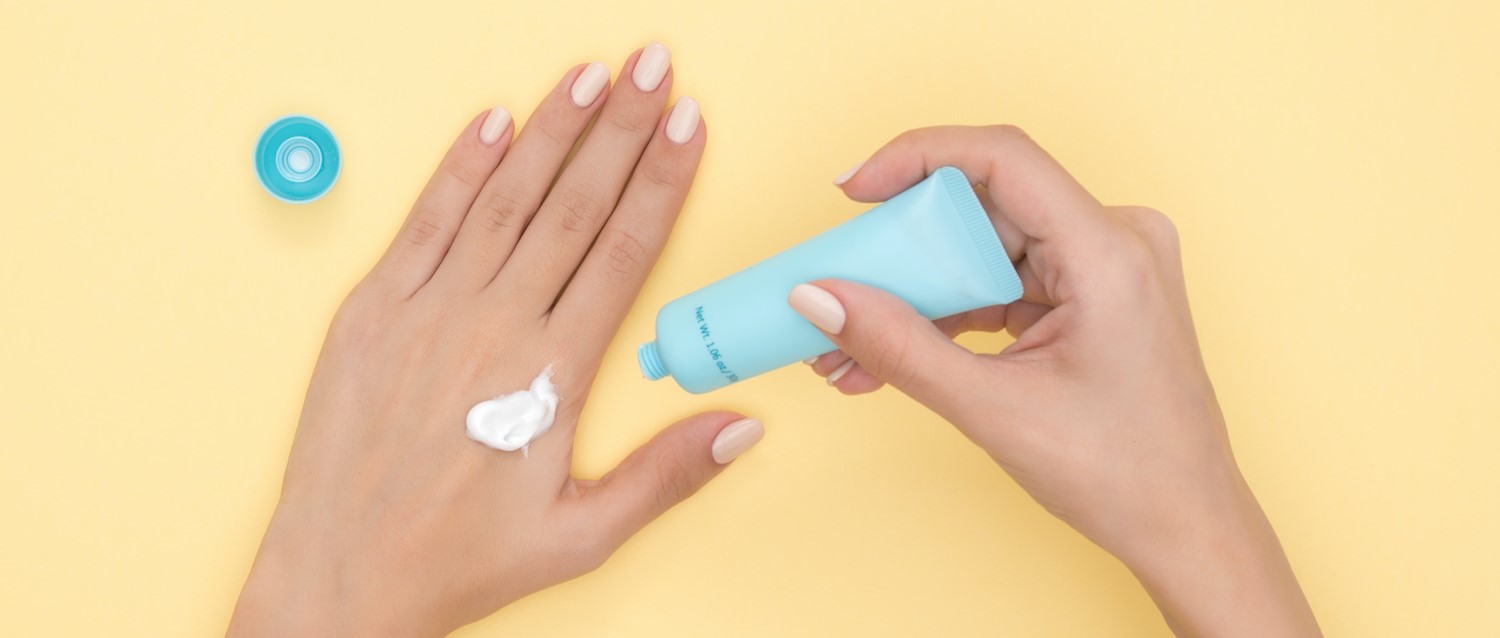
When you get out of the shower or bath, pat your skin dry gently with a warm towel - rather than rubbing it - to avoid stripping more oils from your skin. Apply a moisturising cream while your skin is still just damp.
Moisturisers help lock in moisture inside your skin as well as replacing moisture you've lost. However, they only work for a few hours so you should ideally use them 2-3 times a day.
Don't forget to moisturise your hands every time you wash them to prevent chapping and soreness.
Nighttime skincare
At night, a heavier skin emollient - your pharmacist can advise the best one - will work for longer, replenishing skin moisture. These thicker emollients can make your skin feel slippery, so are best applied when you've finished getting ready for bed.
What you wear
Wool can irritate sensitive skin and synthetic materials make it hard for the skin to breathe, leaving it sweaty. To keep warm in winter, wear layers with breathable fabrics such as cotton next to your skin.
Varicose eczema and leg ulcers
Your lower legs and ankles may be prone to varicose eczema - which affects women more often than men - as you get older. Cold, dry air in winter can sometimes cause flare ups.
Having varicose veins, being overweight, or having had a clot on your leg (deep vein thrombosis) makes you more prone. It's caused by leaky valves in the veins in your lower legs, that carry blood back towards your heart.
The first sign of varicose eczema is usually dry, scaly skin which looks red and sometimes a bit shiny. It tends to start just above your ankle and spread up your calf.
Over time, the skin can turn to a darker rusty colour and become thickened. Your lower legs may feel warmer than usual, even though they're cool to the touch. Varicose eczema can be itchy or sometimes painful.
If you have varicose eczema, you may develop leg ulcers, which can take a long time to heal and which can get infected. That's why it's so important to take steps to stop it getting worse.
Tips for treating varicose eczema
Regular moisturiser is key.
Regular exercise helps keep your blood flowing.
Avoid sitting with your legs down as much as possible - get up frequently and walk around. If you're sitting still, keep your legs up as much as possible - ideally by lying back with your legs over the arm of the sofa, so they're above the level of your heart.
If your skin gets infected, it can become hot, red, and tender to the touch. If this happens - or if you see any signs of an ulcer developing - speak to your doctor as soon as possible. Your doctor may recommend antibiotics in the case of an infection or a steroid cream to be rubbed in sparingly once or twice a day.
Your doctor may also recommend compression stockings to wear all day. These help your blood to circulate properly and reduce the chance of leg ulcers. They can feel tight and a bit uncomfortable to wear, but it's worth persevering. A nurse will check the circulation in your legs with a simple painless test and then measure you for the most effective size. They'll need to be replaced every 3-6 months and you’ll be given two pairs so you can wear one while you’re washing the other.
Raynaud's
Raynaud's is another circulation condition - the small blood vessels in your hands and feet shut down in the cold. Your fingers will go cold and white, then blue and painful, and when the circulation returns they will turn bright red and throb.
To reduce the chance, avoid getting cold - put warm gloves on before you go outside and keep the rest of your body warm too.
Chapped lips
Your lips are exposed to the elements all the time, and as with the rest of your skin, they can become dried out by cold, windy, or dry environments. Don't wait for them to become chapped - start using a lip balm regularly. If you have sensitive skin, opt for a non-scented one. And don't share your lip balm with anyone else, as this can spread infections such as the cold sore virus.
Avoid licking your lips, which makes dryness and chapping worse. If you're going out in cold weather, wear a cotton scarf over your mouth to protect your lips from the elements.
With thanks to My Weekly magazine, where this article was originally published.
Patient picks for Skincare

Skin, nail and hair health
The best foods and nutrients to eat for healthy skin
It sometimes seems we go from fighting teenage blemishes, straight on to battling wrinkles. However, incorporating nutrient-rich foods into your diet can benefit your skin at any age. Here we take a look at some of the key nutrients for healthy skin and what you should be adding to your weekly shop to get them.
by Victoria Raw
Skin, nail and hair health
Dry skin in winter: what cold weather can do to your skin
Cold weather can be tough on our skin, and dry skin in winter can cause or inflame a number of skin conditions. Lesser known effects of winter weather include allergic reactions and the spread of infections that also trigger skin problems.
by Amberley Davis
About the authorView full bio

Dr Sarah Jarvis
Clinical Consultant
MA (Cantab), BM, BCh (Oxon), DRCOG, FRCGP, MBE
After training in medicine at Cambridge and Oxford, Dr Sarah Jarvis MBE became a GP.
About the reviewerView full bio

Dr Colin Tidy, MRCGP
General Practitioner, Medical Author
MBBS, MRCGP, MRCP (Paediatrics), DCH
Dr Colin Tidy is an NHS Doctor, based in Oxfordshire.
Article history
The information on this page is peer reviewed by qualified clinicians.
Article also available in English, German, Spanish, French, Italian, Portuguese, Hindi, Hebrew, Arabic, and Swedish.
Next review due: 3 Nov 2028
3 Nov 2025 | Latest version
31 Jan 2024 | Originally published
Authored by:
Dr Sarah Jarvis
Join the conversation
Share your thoughts or experiences with others in our patient communities.

Ask, share, connect.
Browse discussions, ask questions, and share experiences across hundreds of health topics.

Feeling unwell?
Assess your symptoms online for free
Sign up to the Patient newsletter
Your weekly dose of clear, trustworthy health advice - written to help you feel informed, confident and in control.
By subscribing you accept our Privacy Policy. You can unsubscribe at any time. We never sell your data.
More in skin, nail and hair health
- Are skincare products putting you at risk of sunburn?
- Biotin: do vitamins for hair growth really work?
- Can changing your diet help psoriasis?
- Can hair transplants improve mental health?
- Concerned about a mole? Get peace of mind with online mole checking
- Do any natural remedies really work for acne?
- Does the menopause cause hair loss?
- Eczema, psoriasis, and ringworm: what's the difference?
- How to avoid tick bites and Lyme disease
- How to tell the difference between acne and other skin problems
- Itchy skin at night this summer? Here's why
- Micellar water: skincare benefits and uses
- Neurocosmetics: a brain-changer for your health?
- Skin condition videos
- The best foods and nutrients to eat for healthy skin
- The warning signs of heatstroke and heat exhaustion
- Tick bites: how to recognise and treat
- What are the benefits of collagen, and can it prevent skin ageing?
- What are the dangers of drinking in hot weather?
- What does vitamin C serum do?