Atelosteogenesis type 2
Senast uppdaterad 18 aug 2020
Uppfyller patientens redaktionella riktlinjer
- Ladda nerLadda ner
- Dela
- Language
- Diskussion
- Ljudversion
- Lägg till i föredragna källor på Google
Atelosteogenesis type 2 is a severe disorder of cartilage and bone development. Infants born with this condition have very short arms and legs, a narrow chest, and a prominent, rounded abdomen. This disorder is also characterised by an opening in the roof of the mouth (a cleft palate), distinctive facial features, an inward- and upward-turning foot (clubfoot), and unusually positioned thumbs (hitchhiker thumbs).
Beskrivning
Atelosteogenesis type 2 is a severe disorder of cartilage and bone development. Infants born with this condition have very short arms and legs, a narrow chest, and a prominent, rounded abdomen. This disorder is also characterised by an opening in the roof of the mouth (a cleft palate), distinctive facial features, an inward- and upward-turning foot (clubfoot), and unusually positioned thumbs (hitchhiker thumbs).
The signs and symptoms of atelosteogenesis type 2 are similar to those of another skeletal disorder called diastrophic dysplasia; however, atelosteogenesis type 2 is typically more severe. As a result of serious health problems, infants with this disorder are usually stillborn or die soon after birth from respiratory failure. Some infants, however, have lived for a short time with intensive medical support.
Inheritance patterns
The source lists the following possible inheritance patterns: Autosomal recessive. More than one pattern can apply in different cases.
Related genes
Other names
AO2
Atelosteogenesis de la Chapelle type
Atelosteogenesis, type 2
De la Chapelle dysplasia
McAlister dysplasia
Neonatal osseous dysplasia 1
Related patient information and medicines

Patient information leaflet
Typ 1-diabetes
Typ 1-diabetes is the type of diabetes that typically develops in children och in young adults. In type 1 diabetes the body stops making insulin and the blood sugar (glucose) level goes very high. The above symptoms tend to develop quite quickly, over a f... However, without treatment , the blood sugar (glucose) level becomes very high and acids.
Patient information leaflet
Nekrotiserande fasciit
Necrotising fasciitis is an infection which destroys areas of the skin and the tissues underneath. It is a very severe condition which can be fatal. ... Necrotising fasciitis is a rare but very serious infection of the skin and underlying tissues. It is pronounced neck-roe-tie-zing fash-ee-eye-tis. Type 1: several types of germ are involved. Type.
Patient information leaflet
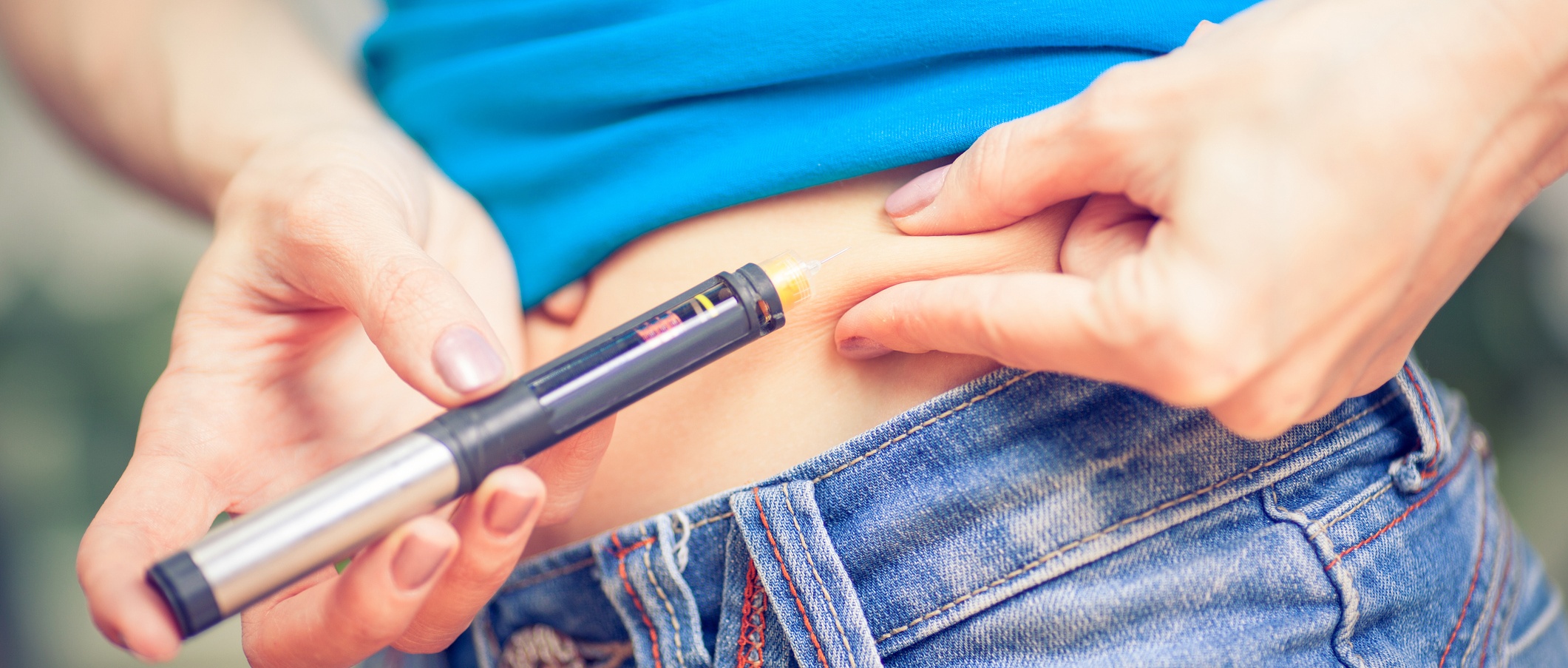
Insulin
Insulin is a hormone made naturally in the body by the pancreas. This hormone controls the level of sugar (glucose) in the blood. Dos... See references below. Type 2 diabetes Type 2 diabetes is the type which occurs mostly in people aged over 40 years but is becoming more common in younger adults and in children. The first-line treatment is diet,.
Patient information leaflet
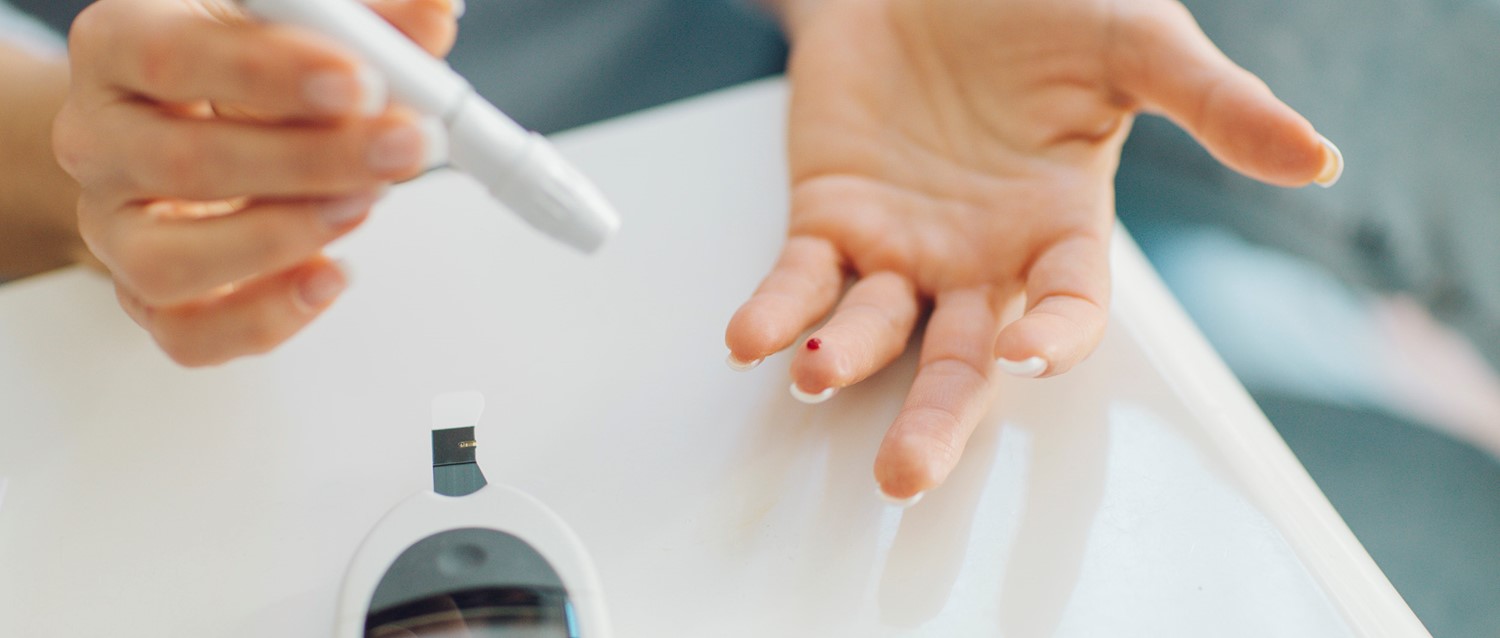
Diabetes
There are two main types of diabetes - type 1 diabetes och type 2 diabetes. Type 1 usually first develops in children or in young adults. Infections A very high blood glucose level sometime... Ketoacidosis For people with type 1 diabetes, high blood glucose levels kan lead to acids called ketones in the bloodstream (this is called ketoacidosis)..

Patient information leaflet
Pagets sjukdom i ben
Affected bones är weaker than normal and may become deformed and may break (fracture) more easily than normal. Treatment with a bisphosphonate medicine is used in some cases to ease pain and to help treat complications. Understanding normal bone Bone is a living tissue. There is a slow... What is Paget's disease of bone. Paget's disease of bone.

Patient information leaflet
Diabetes och sjukdom
It is very important to know how to cope with illness if you have diabetes or know or care for somebody with diabetes. If in doubt, always seek advice from your doctor or nurse straightaway. Further information on managing diabetes during a period of illness is tillgänglig on the Diabetes UK website (see Further Reading below for the link). There is.
Vidare läsning och referenser
- Atelosteogenesis type 2; MedlinePlus, National Library of Medicine.
- Hastbacka J, Superti-Furga A, Wilcox WR, Rimoin DL, Cohn DH, Lander ES. Atelosteogenesis type II is caused by mutations in the diastrophic dysplasia sulfate-transporter gene (DTDST): evidence for a phenotypic series involving three chondrodysplasias. Am J Hum Genet. 1996 Feb;58(2):255-62.
- Newbury-Ecob R. Atelosteogenesis type 2. J Med Genet. 1998 Jan;35(1):49-53. doi: 10.1136/jmg.35.1.49.
- Rossi A, Superti-Furga A. Mutations in the diastrophic dysplasia sulfate transporter (DTDST) gene (SLC26A2): 22 novel mutations, mutation review, associated skeletal phenotypes, and diagnostic relevance. Hum Mutat. 2001 Mar;17(3):159-71. doi: 10.1002/humu.1.
- Superti-Furga A, Unger S. SLC26A2-Related Atelosteogenesis. 2002 Aug 30 [updated 2026 Sep 3]. In: Adam MP, Bick S, Mirzaa GM, Wallace SE, Amemiya A, editors. GeneReviews(R) [Internet]. Seattle (WA): University of Washington, Seattle; 1993-2026. Available from http://www.ncbi.nlm.nih.gov/books/NBK1317/
Artikelhistorik
Artikeln finns också på Engelska, Tyska, Spanska, Franska, Italienska, Portugisiska, Hindi, Hebreiska, Arabiska, och Svenska.
18 aug 2020 | Senaste versionen
1 May 2020 | Ursprungligen publicerad
Delta i konversationen
Dela dina tankar eller erfarenheter med andra i vår patientgemenskaper.

Fråga, dela, anslut.
Bläddra i diskussioner, ställ frågor och dela erfarenheter inom hundratals hälsorelaterade ämnen.
Anmäl dig till Patientens nyhetsbrev
Din veckovisa dos av tydliga, pålitliga hälsoråd - skrivna för att hjälpa dig känna dig informerad, självsäker och i kontroll.
Genom att prenumerera accepterar du våra Sekretesspolicy. Du kan avsluta prenumerationen när som helst. Vi säljer aldrig dina uppgifter.