What is pharmacogenomics?
Uppfyller patientens redaktionella riktlinjer
- Ladda nerLadda ner
- Dela
- Language
- Diskussion
- Ask Patient
- Ljudversion
- Lägg till i föredragna källor på Google
Pharmacogenomics is the study of how genes affect a person’s response to drugs. This field combines pharmacology (the science of drugs) and genomics (the study of genes and their functions) to develop effective, safe medications that can be prescribed based on a person’s genetic makeup.
Videoval för Understanding geneticsVideobibliotek
Översikt
Pharmacogenomics is the study of how genes affect a person’s response to drugs. This field combines pharmacology (the science of drugs) and genomics (the study of genes and their functions) to develop effective, safe medications that can be prescribed based on a person’s genetic makeup.
Many drugs that are currently available are “one size fits all,” but they don't work the same way for everyone. It can be difficult to predict who will benefit from a medication, who will not respond at all, and who will experience negative side effects (called adverse drug reactions). Adverse drug reactions are a significant cause of hospitalizations and deaths in the United States.
Researchers are learning how variants in genes affect the body’s response to medications. These genetic differences will be used to predict whether a medication will be effective for a particular person and which dose will help prevent adverse drug reactions. Conditions that affect a person’s response to certain drugs include clopidogrel resistance, warfarin sensitivity, warfarin resistance, malignant hyperthermia, Stevens-Johnson syndrome/toxic epidermal necrolysis, och thiopurine S-methyltransferase deficiency.
The field of pharmacogenomics is growing, and new approaches are under study in clinical trials. In the future, pharmacogenomics will be used to develop tailored drugs to treat a wide range of health problems, including cardiovascular disease, Alzheimers sjukdom, cancer, and asthma.
Related patient information and medicines

Patient information leaflet
Forskningsundersökning om viktminskningsinjektioner
We’re running a short research survey to better understand people’s experiences, views, and information needs around weight loss injections, sometimes referred to as weight loss jabs. These medicines are increasingly discussed in the UK, but experiences of access, use, and support vary widely. The aim of this survey is to gather real-world insight.
Patient information leaflet
Subkonjunktival blödning
A subconjunctival haemorrhage is one common cause of a red eye. It is caused by a small bleed behind the covering of the eye. It can look alarming but it usually causes no symptoms and is usually harmless. The redness usually clears within two weeks. What is a subconjunctival haemorrhage. Subconjunctival haemorrhage: "Red eye" Subconjunctival.
Patient information leaflet
Rhabdomyosarcoma
A rhabdomyosarcoma is a type of soft tissue sarcoma. Rhabdomyosarcomas grow in the muscles of the body. Rhabdomyosarcomas can occur at any age but are much more common in children and only rarely affect adults. The treatments for rhabdomyosarcomas include surgery, chemotherapy or radiotherapy, or a combination of all three. Surgery may be used on.

Patient information leaflet
Laparoskopi och laparoskopisk kirurgi
When compared with traditional surgery, laparoscopic surgery usually has: Less pain... Lower risk of complications. A shorter hospital stay and a quicker recovery. A much smaller scar. Note : the information below is a general guide only. The arrangements, and the way tests are performed, may vary between different hospitals. Always follow the.
Patient information leaflet
Kalciumpyrofosfatdeposition
Calcium pyrophosphate is a substance produced in the cartilages of the joints. It can become deposited as crystals on joint tissues. This is called calcium pyrophosphate deposition. Calcium pyrophosphate deposition can cause a number of problems of which the most well known is pseudogout. This is almost identical to gout, causing attacks of pain.
Patient information leaflet
Leukemi
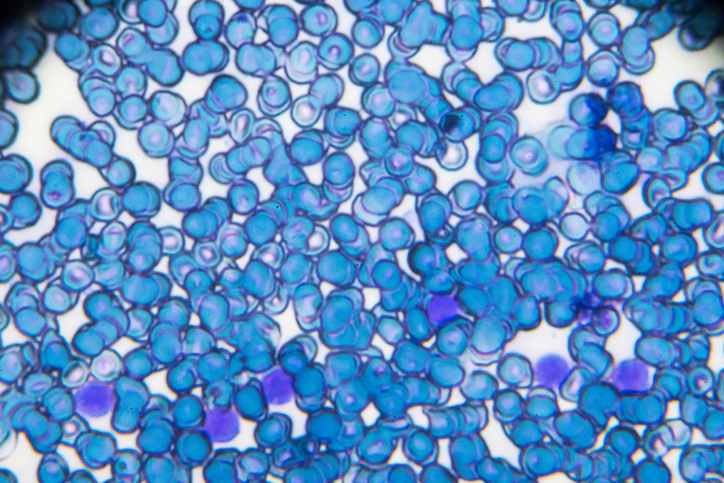
Leukaemia is a cancer of blood-forming cells. There are different types of leukaemia. If you develop leukaemia it is important to know what type it is. This is because the outlook (prognosis) and treatments vary for the different types. What is leukaemia. Leukaemia is a cancer of cells in the bone marrow (the cells which develop into white blood.
Vidare läsning och referenser
- What is pharmacogenomics?; MedlinePlus, National Library of Medicine.
Dela dina tankar eller erfarenheter med andra i vår patientgemenskaper.
Enkel tillgång till pålitliga behandlingar och hälsotjänster online.
Common conditions
Get help with common conditions through the NHS, without a GP appointment.





Anmäl dig till Patientens nyhetsbrev
Din veckovisa dos av tydliga, pålitliga hälsoråd - skrivna för att hjälpa dig känna dig informerad, självsäker och i kontroll.
Genom att prenumerera accepterar du våra Sekretesspolicy. Du kan avsluta prenumerationen när som helst. Vi säljer aldrig dina uppgifter.