Svettiga fötter
Granskad av Dr Colin Tidy, MRCGPSenast uppdaterad av Dr Philippa Vincent, MRCGPSenast uppdaterad 17 apr 2023
Uppfyller patientens redaktionella riktlinjer
- Ladda nerLadda ner
- Dela
- Language
- Diskussion
- Ljudversion
- Lägg till i föredragna källor på Google
I denna serie:Hyperhidros
Many people experience sweaty feet occasionally. However, for some people excessive foot sweating is a persisting problem which can be both difficult to manage and embarrassing. It may lead to smelly feet, and nobody likes stinky feet. This leaflet explains why feet sweat (which is normal) and how to stop your feet from being sweaty or smelly.
Överblick
Sweating helps to cool your body, excrete salts, and protect your skin.
Feet have many sweat glands, producing about half a pint of sweat daily.
Sweaty feet can be caused by heat, emotions, certain footwear, obesity, and some medical conditions.
Foot odour happens when bacteria on your skin break down sweat.
Daily washing, fresh socks, and breathable shoes can help reduce sweaty feet.
Antiperspirants, antifungal sprays, and medicated insoles can also be used.
Excessively sweaty feet can lead to social embarrassment and skin infections like athlete's foot.
Why do feet sweat?
Sweating is normal. It has three main functions:
Heat regulation - sweating cools the body by wetting the surface of the skin.
Excretion - another way for the body to get rid of water and salts.
Skin protection - sweat is slightly acidic and this helps protect the skin from germs (bacteria). Sweat also helps keep the skin supple.
Sweating on the soles has a fourth possible function of increasing friction on bare feet. This is thought to have helped our ancestors to increase the grip of feet on the ground when running away from predators or any other threat.
Sweat is produced in sweat glands, which are distributed all over the body. With the exception of specialised sweat glands in the armpit and groin, most sweat glands are of a type called eccrine glands. They are set deep in the skin and are served by nerves and arteries.
(Apocrine glands are found in the armpit and groin. These differ from eccrine glands in that their sweat contains hormones, proteins and sebum and is oily and cloudy. However, they are not present in the feet.)
The number of working sweat glands varies between parts of the body - and also between different people. In a pair of feet there are normally about 250,000 sweat glands which typically produce about half a pint of perspiration (sweat) a day. Sweat glands are more concentrated on the feet (there are more sweat glands per inch of skin) than in any other part of the body.
When sweating activity is low, only a small proportion of the glands will be working; as sweating increases, more glands are 'recruited'. The differences between people in terms of how much they sweat are in part due to how quickly and readily their glands are called into action.
Sweat is mostly water. However it does contain some salts, including sodium chloride which is why it has a salty taste.
How much do feet normally sweat?
The total amount of sweat produced depends on the number of working sweat glands and their activity. This activity is regulated by nerves and hormones and affected by gender (men sweat more than women). When all the sweat glands are working at maximum capacity, the rate of perspiration for a human being may exceed three litres an hour.
What causes excessively sweaty feet?
Excessive sweating of the feet is commonly caused by:
Heat - both external heat and also high body temperature (fever). Sweating is an important way of reducing body temperature when it threatens to rise. In heatstroke, when the eccrine glands become exhausted and unable to sweat, the body temperature rises rapidly and can lead to death.
Strenuous activity and a warm environment will contribute to sweaty feet.
Emotion. Excessive foot sweating can be brought on by anxiety or emotional stress.
Eating (this usually mainly affects the head and neck).
Damage to the sympathetic nerves. These are a special set of nerves involved in stress responses and can be damaged due to trauma or to medical conditions such as diabetes.
Footwear. Some shoes and socks can increase the amount of sweat produced and may prevent it from evaporating (eg, socks made from man-made fibres or plastic shoes).
Being on your feet all day. Sweaty feet are more common in people who stand all day.
Fetma. Being overweight is associated with increased sweating.
Generalised excessive sweating (hyperhidrosis). Sweaty feet are seen in people with generalised hyperhidrosis (see below). Sometimes hyperhidrosis affects the feet only and this is called plantar hyperhidrosis. See the separate leaflet called Hyperhidrosis (Excessive Sweating) for more information about this condition.
Some prescribed medications - Some medicines, particularly some antidepressiva, can occasionally cause increased sweating .
Some medical conditions. Some conditions can cause occasional or constant heavy sweating which is usually, but not always, generalised. Examples are:
Excess sweating can also occur for very little obvious reason.
Why does sweating make feet smelly?
Sweat doesn't smell bad when it's produced. However, if sweat remains on skin (such as when it can't evaporate in warm conditions - for example, when trainers with non-'breathable' linings are worn) - skin germs (bacteria) break down the sweat. This produces the characteristic smell of sweaty feet.
Sweating is normal, but nobody wants stinky feet. Sweat is more likely to become smelly if people are:
On their feet all day, particularly in a warm environment.
Under a lot of stress.
Wearing shoes that are tight so sweat can't evaporate.
Wearing shoes that are made of material that doesn't allow sweat evaporation.
Poor hygiene can play a part too - for example, washing feet infrequently or not changing socks can allow bacteria to thrive.
How to stop sweaty feet
Fortunately there are lots of remedies and strategies which can help to stop smelly sweaty feet.
Foot care strategies
Washing feet daily with soap and water and drying thoroughly - especially drying carefully between the toes where skin can easily become soggy and germs (bacteria) can breed.
Making sure that feet are dry before putting socks and shoes on.
Keeping toenails short and clean.
Removing hard skin from the soles of the feet - this can otherwise become soggy when damp, becoming a place for germs to grow.
Socks to reduce sweaty feet/smelly feet
Wearing fresh socks every day.
Changing socks more than once a day if necessary, particularly after exercise which caused sweating or after walking a long way.
Wearing absorbent socks made of natural fibre or socks designed to absorb moisture. Socks made of wool, cotton or a mixture of these are thought to be the best socks to reduce smells if someone has particularly sweaty feet.
Avoiding nylon socks.
'Sports socks' are often designed to absorb sweat.
Shoes to reduce sweaty feet/smelly feet
Avoiding shoes made of synthetic material.
Avoiding tight-fitting shoes, aiming for shoes which allow air to circulate, including sandals and open-toed shoes.
Alternating your shoes daily to allow them to dry thoroughly.
Airing or alternating insoles can help.
Foot products which might help smelly or sweaty feet
Antiperspirants reduce sweating by mechanically blocking the sweat ducts and can be used on feet Antiperspirants consist mainly of various aluminium salts dissolved in alcohol and mixed with essential oils. Strong antiperspirants for excessive sweating (hyperhidrosis) containing aluminium chloride are available over the counter. These come as a roll-on solution, spray or dusting powder. They are used once a day until the problem improves (usually for about a week), then as needed.
An antifungal foot spray or powder at night can help.
Medicated insoles which act as a deodorant (reducing odours).
An antibacterial soap , available from pharmacies, can be used particularly on the feet. (For example, Hibiscrub®.)
Andra behandlingar
For people with excessive sweating (hyperhidrosis) or sweaty feet (plantar hyperhidrosis), a treatment called iontophoresis is occasionally used. This is a treatment that uses electrical stimulation. This is normally a procedure done in a private specialist clinic, but home treatment kits are available, although they are quite expensive. You can read more about this treatment in the separate leaflet called Hyperhidrosis (Excessive Sweating).
Botox injections can be used for excessive sweating. These are not generally available on the NHS but can be accessed through private clinics. Evidence is not clear and they may not be as beneficial for sweaty feet as they can be for excessive sweating in other parts of the body.
Complications of sweaty feet
Excessively sweaty or smelly feet can be socially embarrassing and can cause enormous distress to those affected.
This can include young people who may become socially isolated and avoid useful activities as a result.
Increased dampness of the feet also increases the chance of foot infections such as athlete's foot, and of cuts to and breaks in the skin, leading to other infections.
In people with other conditions which put the feet at risk, such as diabetes, perifer neuropati och perifer artärsjukdom, excess sweating (hyperhidrosis) can contribute to the risks of foot infection leading to more serious conditions such as a skin infection (called cellulitis) and ulceration.
Patientval för General signs and symptoms
Tecken och symtom
Illamående och kräkningar
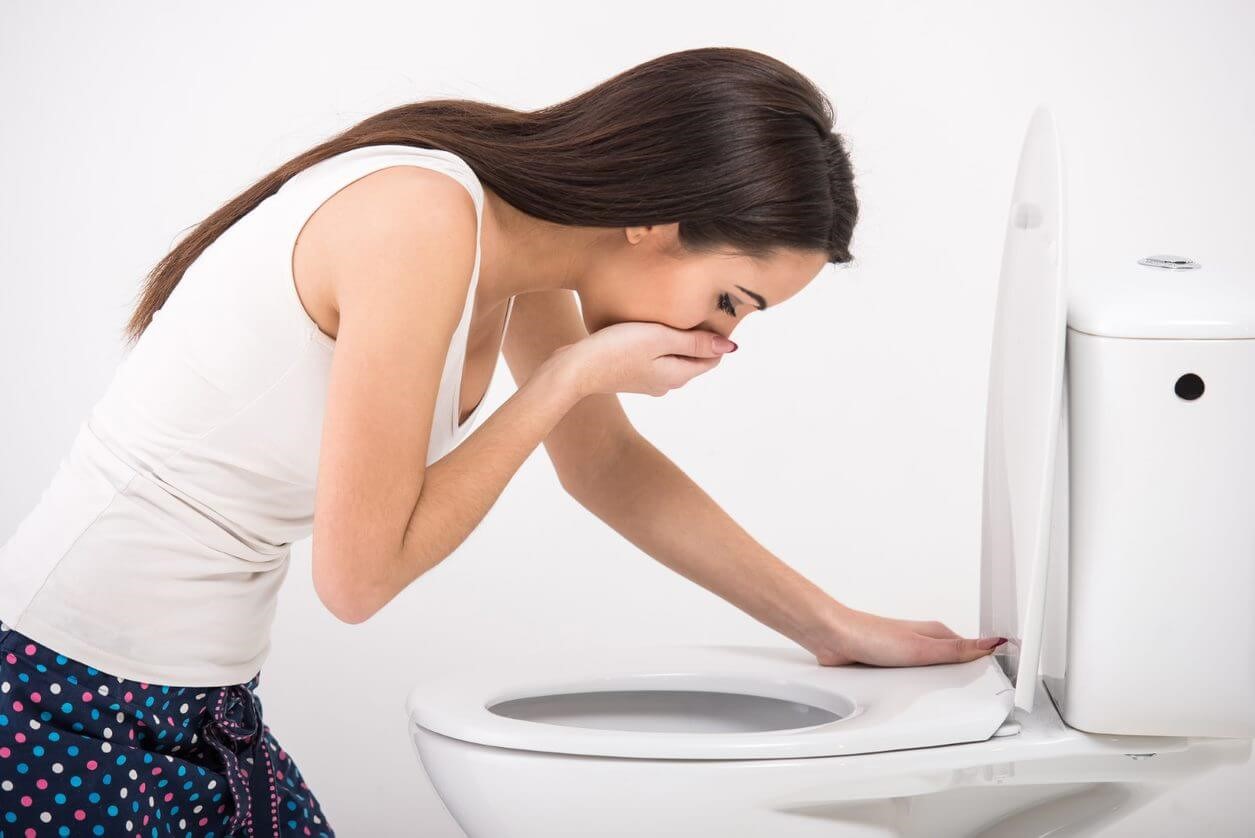
Nausea is the feeling of wanting to be sick (vomit), whilst vomiting is being sick or “throwing up.” These common symptoms are often caused by short-term issues like stomach bugs, food poisoning, pregnancy, or motion sickness. Most cases settle on their own, but persistent or severe symptoms may need medical attention. This leaflet explains the common causes, self-care tips, treatment options, and when to see a doctor.
av Dr Doug McKechnie, MRCGP

Tecken och symtom
Torr mun
Torr mun har olika orsaker. Enkla åtgärder som att dricka frekventa klunkar vatten, suga på isbitar och tugga sockerfritt tuggummi hjälper ofta. De kan vara allt som behövs i många fall. Konstgjord saliv eller medicin för att stimulera spottkörtlarna används ibland.
av Dr Doug McKechnie, MRCGP
Vanliga frågor
What is the everyday function of sweat on our feet?
Beyond cooling the body, excreting waste, and protecting the skin from germs, sweating on the soles of the feet has a unique purpose. It increases friction, which would have helped our ancestors gain better grip on the ground, for example, when running from danger.
How much sweat do feet typically produce?
A pair of feet contains about 250,000 sweat glands, which can produce approximately half a pint of perspiration every day. The concentration of sweat glands on the feet is higher than on any other part of the body.
Are there different types of sweat glands and are they all found in the feet?
Most sweat glands are eccrine glands, found deep in the skin and served by nerves and arteries. These are distributed all over the body, including the feet. Apocrine glands, which produce a different type of sweat, are found in the armpit and groin but not in the feet.
What are some less common medical conditions that might cause excessive sweating in the feet?
While common causes include heat and emotion, some less obvious medical conditions can also contribute to excessive sweating. These include an infection of the heart valve (endocarditis), types of blood cancer such as leukaemia, cancer of the lymphatic system (lymphoma), and tuberculosis infection.
Can certain foods affect sweating in the feet?
Eating can sometimes trigger sweating, though this typically affects the head and neck. The article does not specify if certain foods can notably increase sweating specifically in the feet.
Are there specific professional treatments for very sweaty feet that are not widely available?
For those with very excessive sweating (hyperhidrosis) or sweaty feet (plantar hyperhidrosis), treatments like iontophoresis (electrical stimulation) and Botox injections are available. Iontophoresis can be done in specialist clinics and home kits exist. Botox injections are generally found in private clinics, as their effectiveness for feet is less clear compared to other body areas.
Can prolonged periods of standing increase foot sweat?
Yes, being on your feet all day is associated with an increased likelihood of having sweaty feet. Paired with a warm environment, this can further contribute to the problem.
Vidare läsning och referenser
- Scarff CE; Sweaty, smelly hands and feet. Aust Fam Physician. 2009 Sep;38(9):666-9.
- Hyperhidros; NICE CKS, September 2023 (UK access only)
Om författarenVisa fullständig biografi

Dr Mary Elisabeth Lowth, FRCGP
MA (Cantab), MB, BChir, DFFP, DRCOG, PG Cert, Med Ed, FRCGP, MA (London)
Dr Mary Lowth var allmänläkare i Suffolk i 20 år, specialiserad på pediatrik och barnskydd, och senare på dokumentation av tortyr.
Om recensentenVisa fullständig biografi

Dr Colin Tidy, MRCGP
Allmänläkare, Medicinsk Författare
MBBS, MRCGP, MRCP (Paediatrics), DCH
Dr Colin Tidy är en NHS-läkare, baserad i Oxfordshire.
Artikelhistorik
Informationen på denna sida är skriven och granskad av kvalificerade kliniker.
Artikeln finns också på Engelska, Tyska, Spanska, Franska, Italienska, Portugisiska, Hindi, Hebreiska, Arabiska, och Svenska.
Nästa granskning förfaller: 15 apr 2028
17 apr 2023 | Senaste versionen
24 Apr 2015 | Ursprungligen publicerad
Författad av:
Dr Mary Elisabeth Lowth, FRCGP

Fråga, dela, anslut.
Bläddra i diskussioner, ställ frågor och dela erfarenheter inom hundratals hälsorelaterade ämnen.

Känner du dig sjuk?
Bedöm dina symtom online gratis
Anmäl dig till Patientens nyhetsbrev
Din veckovisa dos av tydliga, pålitliga hälsoråd - skrivna för att hjälpa dig känna dig informerad, självsäker och i kontroll.
Genom att prenumerera accepterar du våra Sekretesspolicy. Du kan avsluta prenumerationen när som helst. Vi säljer aldrig dina uppgifter.
Mer om tecken och symtom
- Angioödem
- Bröstsmärta
- Hostmediciner
- Epworth sömnighetsskala
- Frusen skuldra
- Bråck
- Höftproblem
- Idiopathic oedema
- Insektsbett och stick
- Sömnlöshet
- Förlust av smak och lukt
- Lägre urinvägssymtom hos kvinnor
- Klumpar
- Olekranonbursit
- Pleurit
- Skrotala knölar, smärta och svullnad
- Underaktiv sköldkörtel
- Uretrastriktur
- Vaginal torrhet
- Kräkas blod